Goyard Roulette Bag

Search documents
有产品二手价超原价近300%,爱马仕们成投资神器
2 1 Shi Ji Jing Ji Bao Dao· 2026-01-11 06:41
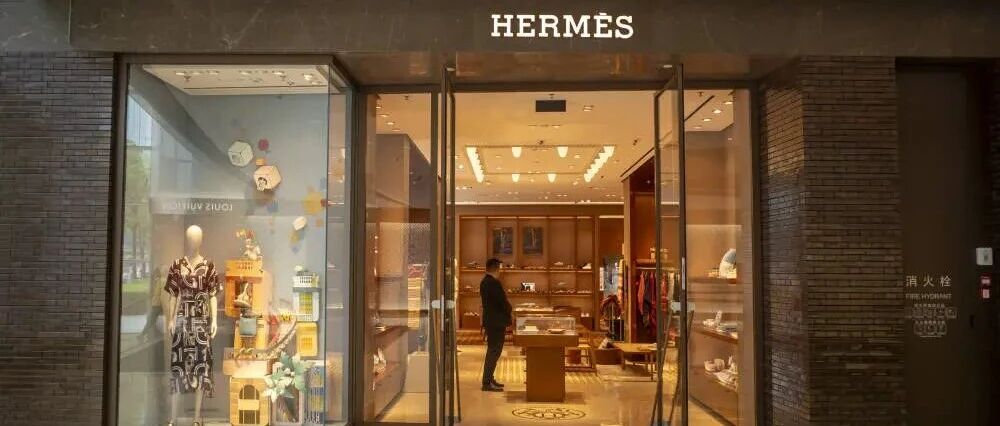
Core Insights - The second-hand fashion and luxury goods market is projected to become a core growth engine in the global fashion industry by 2025, with a market size of $210 to $220 billion and a stable annual growth rate of 10%, three times that of the primary market [1][2] - The market is characterized by "scale expansion and structural upgrade," with the second-hand luxury goods market currently accounting for 8% of total global luxury sales, expected to exceed $320 to $360 billion by 2030 [2][3] - The valuation of luxury brands is shifting from "market heat" to "value retention," with brands like Hermès and Goyard achieving record high resale values [7][8] Market Dynamics - The main categories driving the market are leather goods, clothing, and footwear, which together account for approximately 80% of the market, while watches and jewelry are the fastest-growing segments [2][3] - The dual driving force behind this explosive growth comes from both buyers and sellers, with nearly 80% of buyers citing "value for money" as their primary reason for purchasing second-hand luxury goods [2][3] - Online channels have become the primary platform for second-hand transactions, with 55% of purchases made through multi-brand resale platforms [3] Consumer Behavior - The Z generation is emerging as the most influential consumer group in the second-hand luxury market, with 32% of their wardrobes consisting of second-hand items [4][5] - Z generation consumers prioritize emotional and creative aspects in their second-hand purchases, with 74% citing value for money as a key driver [4][5] - Regional differences are evident, with American consumers leading in acceptance of second-hand luxury goods, while European consumers focus more on sustainable fashion practices [5][6] Brand Strategies - Brands are encouraged to develop clear second-hand strategies, balancing the pricing relationship between new and second-hand products to maintain resale value [10][11] - The luxury jewelry sector is anticipated to become the next growth hotspot, driven by rising consumer demand for sustainable luxury and investment-grade items [11] - The second-hand luxury market is evolving beyond mere "idle trading," serving as a channel for consumers to achieve affordable luxury and rational investment while also extending product lifecycles for brands [11]
有产品二手价超原价近300%,爱马仕们成投资神器
21世纪经济报道· 2026-01-11 06:32
Core Insights - The second-hand fashion and luxury goods market is projected to become a significant growth engine in the global fashion industry by 2025, with a market size of $210 to $220 billion and a stable annual growth rate of 10%, three times that of the primary market [1][3] - The resale market is expected to account for 8% of the total global luxury fashion sales, with projections to exceed $320 to $360 billion by 2030, increasing its market share to 10% [3] - The demand for second-hand luxury items is driven by both buyers seeking value and sellers looking to declutter and generate income, with 66% of sellers citing "wardrobe decluttering" as their primary reason for selling [4][6] Market Dynamics - The main categories in the second-hand luxury market are leather goods, clothing, and footwear, which together account for approximately 80% of the market, while watches and jewelry are the fastest-growing segments [3] - Online platforms have become the primary channel for second-hand transactions, with 55% of purchases occurring through multi-brand resale platforms [4] Consumer Behavior - Generation Z is emerging as a significant force in the second-hand luxury market, with 32% of their wardrobes consisting of second-hand items, and they prioritize style expression and unique experiences over mere cost [6][7] - In the U.S., 87% of respondents cite value for money as a key reason for purchasing second-hand, while European consumers focus more on sustainable fashion practices [7] Brand Value and Investment - The valuation of luxury brands is shifting from market popularity to resale value, with brands like Hermès and Goyard achieving high resale rates, indicating strong investment potential [9][10] - Hermès leads with a resale value of 138%, while Goyard follows at 132%, showcasing the importance of craftsmanship and timeless design in maintaining value [9][10] Future Trends - The second-hand luxury market is expected to continue its growth trajectory, with traditional luxury brands focusing on craftsmanship and innovation to attract consumers [13] - The demand for sustainable luxury and investment-grade items is anticipated to rise, particularly in the high-end jewelry sector, which may replicate the growth seen in the watch category [14]