投资型消费

Search documents
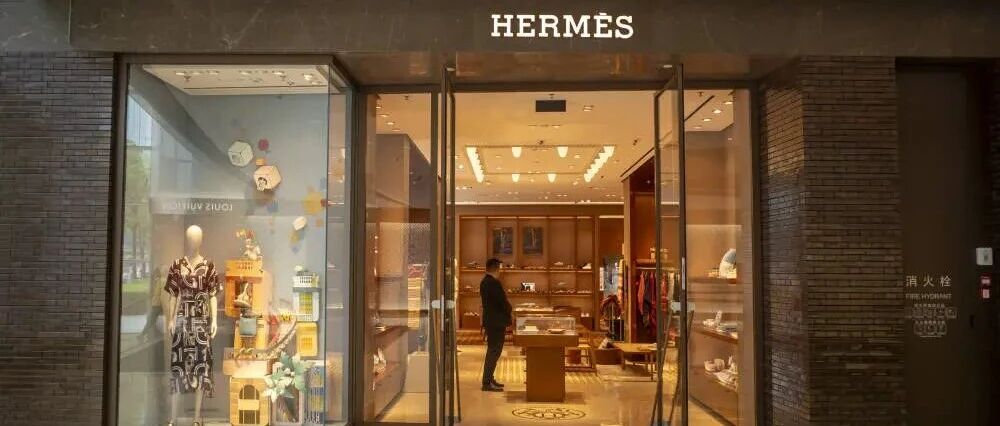
有产品二手价超原价近300%,爱马仕们成投资神器
21世纪经济报道· 2026-01-11 06:32
Core Insights - The second-hand fashion and luxury goods market is projected to become a significant growth engine in the global fashion industry by 2025, with a market size of $210 to $220 billion and a stable annual growth rate of 10%, three times that of the primary market [1][3] - The resale market is expected to account for 8% of the total global luxury fashion sales, with projections to exceed $320 to $360 billion by 2030, increasing its market share to 10% [3] - The demand for second-hand luxury items is driven by both buyers seeking value and sellers looking to declutter and generate income, with 66% of sellers citing "wardrobe decluttering" as their primary reason for selling [4][6] Market Dynamics - The main categories in the second-hand luxury market are leather goods, clothing, and footwear, which together account for approximately 80% of the market, while watches and jewelry are the fastest-growing segments [3] - Online platforms have become the primary channel for second-hand transactions, with 55% of purchases occurring through multi-brand resale platforms [4] Consumer Behavior - Generation Z is emerging as a significant force in the second-hand luxury market, with 32% of their wardrobes consisting of second-hand items, and they prioritize style expression and unique experiences over mere cost [6][7] - In the U.S., 87% of respondents cite value for money as a key reason for purchasing second-hand, while European consumers focus more on sustainable fashion practices [7] Brand Value and Investment - The valuation of luxury brands is shifting from market popularity to resale value, with brands like Hermès and Goyard achieving high resale rates, indicating strong investment potential [9][10] - Hermès leads with a resale value of 138%, while Goyard follows at 132%, showcasing the importance of craftsmanship and timeless design in maintaining value [9][10] Future Trends - The second-hand luxury market is expected to continue its growth trajectory, with traditional luxury brands focusing on craftsmanship and innovation to attract consumers [13] - The demand for sustainable luxury and investment-grade items is anticipated to rise, particularly in the high-end jewelry sector, which may replicate the growth seen in the watch category [14]

品牌运营:新中产万象:2025消费心智群像与品牌增长指南(高净值人群洞察
Sou Hu Cai Jing· 2025-12-09 01:48
Core Insights - The report "New Middle Class Phenomenon: 2025 Consumer Mindset and Brand Growth Guide" focuses on the consumption characteristics of China's new middle class and high-net-worth individuals, analyzing consumer trends and demographics using data from the Harmony ecosystem, which includes over 1 billion devices and 800,000+ developers [1][8] - The core values of the new middle class are centered around health (35%), family happiness (33%), and personal development (32%), with consumption decisions driven by both efficiency and emotional motivations [1][19] - The report identifies six consumer personas within the new middle class, with average monthly spending around 50,000 yuan for high-net-worth individuals, primarily located in first-tier and new first-tier cities [1][17] Consumer Trends - The Chinese consumer market has undergone significant changes, including the return of overseas consumption, the stratification of social media, and the reshaping of consumer values, leading to a complex and multi-dimensional consumer behavior [7][17] - The new middle class is characterized by a shift from material ownership to valuing experiences and services, with a focus on long-term value rather than immediate gratification [18][26] - The report highlights a growing trend towards experience-based consumption, with consumers willing to invest in travel, education, and health, reflecting a prioritization of quality and experience over mere possession [18][26] Brand Growth Strategies - Brands are encouraged to shift their growth logic from quantity expansion to quality competition, focusing on understanding, resonating with, and connecting to consumers [1][19] - The integration of technology and fashion is identified as a key competitive factor for high-end brands, which must align with the lifestyle and spiritual needs of the new middle class [1][19] - The Harmony ecosystem's capabilities allow brands to capture user behavior preferences accurately and provide timely services in appropriate contexts, enhancing brand loyalty and emotional connection [1][19] Consumer Personas - The report outlines six consumer personas, including "Global Pioneer Experience Seekers," "Ambitious Trendsetters," and "Elegant Enjoyers," each with distinct characteristics and consumption patterns [10][46] - These personas reflect varying degrees of consumption power, interests, and lifestyle choices, emphasizing the need for brands to tailor their strategies to meet the specific needs of each group [10][46] Investment in Long-term Value - The new middle class views consumption as a long-term investment, particularly in areas such as education, health, and technology, indicating a shift towards prioritizing products and services that offer sustained value [35][38] - This trend is supported by a growing willingness among consumers to allocate budgets for personal development and skill enhancement, further driving the demand for brands that can deliver on these expectations [35][38]


新中产万象:2025消费心智群像与品牌增长指南(高净值人群洞察)
Sou Hu Cai Jing· 2025-12-06 01:43
Core Insights - The report "New Middle Class Phenomenon: Consumer Mindset Portrait and Brand Growth Guide" focuses on the evolving characteristics of the new middle class in China and the opportunities for brand growth within this demographic [1][2] - The study is based on a user data system built from over 1 billion devices and 2000 valid survey responses, revealing key trends and commercial opportunities in the new middle class consumer market [1][2] Consumer Characteristics - The new middle class in China is diverse, including high-net-worth women in first-tier cities, pragmatic new elites in new first-tier cities, and fashionable groups in second and third-tier cities [1][2] - Core values of this demographic are health (35%), family happiness (33%), and personal development (32%), indicating a shift towards higher quality of life pursuits [1][2][20] Consumption Patterns - Monthly consumption among the new middle class ranges from 10,000 to over 50,000 yuan, forming three tiers: middle, upper-middle, and high consumption [2] - Interests are varied, with common areas of focus including technology, travel, and current events, while specific groups also show interest in fashion, environmental causes, and wellness [2] Brand Engagement - The development of the HarmonyOS ecosystem provides brands with critical support, enabling them to capture user behavior and preferences effectively [2][9] - Brands can leverage this ecosystem to understand consumer needs and build long-term trust through personalized recommendations [2] Market Dynamics - The high-end consumer market in China has shifted from "incremental expansion" to "quality competition," with brand growth now centered around "people, content, and technology" [2] - Successful case studies, such as the user community model created by HarmonyOS, demonstrate how encouraging user participation in brand co-creation can enhance loyalty and belonging [2] Consumer Mindset Evolution - The new middle class is increasingly viewing consumption as a long-term investment rather than immediate expenditure, focusing on experiences and quality [19][36] - Key spending priorities include travel (61%), children's education (59%), and health and wellness (54%), reflecting a long-term investment mindset [19] Value Orientation - The top three values for the new middle class are health, family, and self-improvement, which form the foundation of their personal development [20][21] - Mid-tier values include self-actualization and career wealth, indicating a balance between personal fulfillment and material success [20] Behavioral Trends - The report identifies a trend towards experience-based consumption, where consumers prioritize value and experiences over mere ownership of goods [27] - Emotional consumption is also on the rise, with younger generations willing to invest in products that express their identity and emotional needs [33] Investment in Growth - More than 60% of consumers are willing to invest in education, skills training, and smart devices, viewing these expenditures as essential for maintaining competitiveness [36] - Brands that offer products with both functional and growth value are increasingly favored by the new middle class [36]