H200 GPU芯片

Search documents
群狼围上来了,黄仁勋最大的竞争对手来了
3 6 Ke· 2025-12-12 02:16
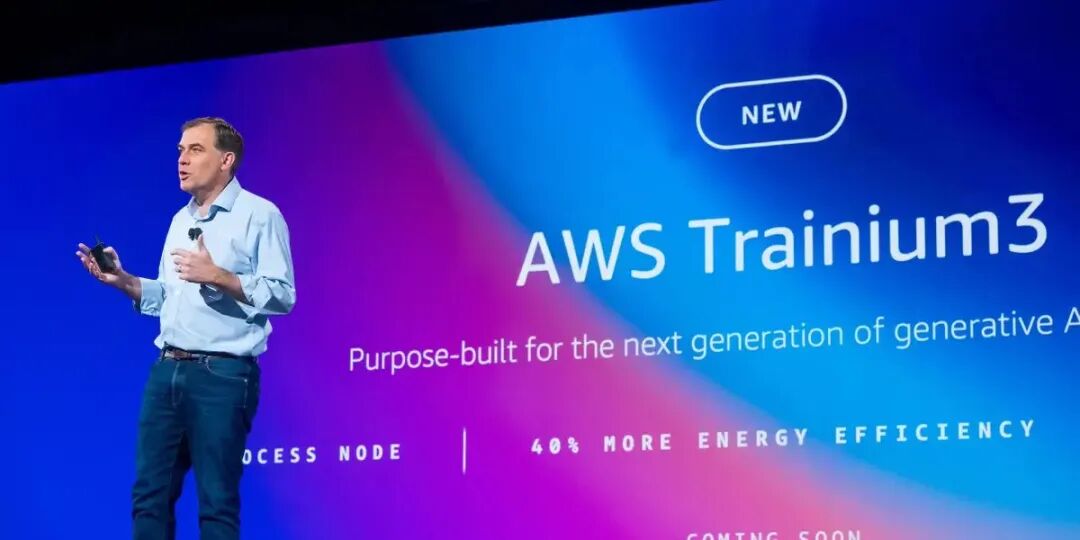
Core Insights - The U.S. government has approved NVIDIA to sell high-end H200 GPU chips to China and other approved customers, requiring a 25% sales commission, marking a significant lobbying success for CEO Jensen Huang [1] - NVIDIA's stock price rose following this news, as the company had lost a substantial share of the Chinese market due to previous export restrictions [1] - NVIDIA's data center revenue from China has sharply declined, dropping from 25% to nearly zero due to these restrictions [2] Group 1: NVIDIA's Market Position - NVIDIA has dominated the AI GPU market, holding over 80% market share, but has seen its share in the Chinese market plummet due to U.S. sanctions [2][3] - The company reported $130 billion in data center revenue in the most recent fiscal year, but faces risks from high customer concentration, with the top two customers accounting for 39% of revenue [2] - Huang's optimism about NVIDIA's competitive edge is challenged by the increasing self-sufficiency of major clients like Google, Amazon, and Microsoft, who are developing their own AI chips [10][15] Group 2: Competitors' Developments - Amazon's AWS has introduced the Trainium 3 AI chip, which claims to reduce training costs by 50% compared to NVIDIA's offerings, positioning it as a direct competitor [5][6] - Google's TPU v7 Ironwood chip has shown a tenfold performance increase over its predecessor and is optimized for high throughput and low latency, further intensifying competition [9][10] - Microsoft is facing delays in its self-developed Maia chip, which is intended to reduce reliance on NVIDIA, with significant cost advantages projected [11][14] Group 3: Market Dynamics - The AI chip market is expected to see a "performance vs. cost" showdown in 2026, with NVIDIA maintaining a performance edge while competitors emphasize cost savings [15][16] - Amazon aims to increase its self-developed chip share to 50%, while Google's TPU market share has reached 8%, indicating a shift towards diversified chip usage among AI companies [17][18] - Analysts predict that self-developed chips from major tech companies could capture 20-25% of the market share in the next five years, posing a significant threat to NVIDIA's dominance [20]





群狼围上来了!黄仁勋最大的竞争对手来了
Xin Lang Ke Ji· 2025-12-12 00:24
Core Insights - The U.S. government has approved NVIDIA to sell high-end H200 GPU chips to China and other approved customers, requiring a 25% sales commission, marking a significant lobbying success for CEO Jensen Huang [1][2] - NVIDIA's stock price rose following this news, as the company had lost a substantial share of the Chinese market due to previous export restrictions [1] - Despite this approval, NVIDIA's latest Blackwell and future Rubin series GPUs remain banned for export [1] Group 1: Market Dynamics - NVIDIA's market share in the AI GPU sector had dropped from 95% to nearly zero in China due to restrictions, with revenue from the Chinese market for its data center business falling from 25% to a much lower percentage [1][2] - The AI GPU market in China is estimated to be worth between $20 billion and $30 billion this year, making the re-entry significant for NVIDIA's revenue [2] - Major cloud service providers like Google, Amazon, and Microsoft are developing their own chips, posing a competitive threat to NVIDIA [2][3] Group 2: Competitive Landscape - Amazon's new AI chip, Trainium 3, is designed to be a low-cost alternative to NVIDIA's GPUs, claiming to reduce training costs by 50% compared to previous generations [6][19] - Google has released its seventh-generation TPU, Ironwood, which boasts a tenfold performance increase over its predecessor and is optimized for high throughput and low latency [10][11] - Google’s TPU is expected to capture an 8% market share in the AI chip market by 2025, with Meta planning to adopt Google's TPU, further intensifying competition for NVIDIA [12][22] Group 3: Client Concentration Risks - NVIDIA's revenue is highly concentrated, with its top two customers accounting for 39% of its revenue and the top three for 53% [2] - The shift of major clients like Google and Amazon towards self-developed chips could significantly impact NVIDIA's order volume and market position [3][12] - Microsoft is facing delays in its self-developed Maia chip, which could hinder its ability to reduce reliance on NVIDIA chips [13][16] Group 4: Future Projections - The competition between performance and cost will intensify in 2026, as major players release their latest self-developed chips [17][18] - NVIDIA's Blackwell architecture is expected to maintain a performance edge, but competitors are focusing on cost advantages [19][20] - Analysts predict that self-developed chips from major tech companies could capture 20-25% of the market share in the next five years, indicating a significant shift in the competitive landscape [26]
群狼围上来了!黄仁勋最大的竞争对手来了|硅谷观察
Xin Lang Cai Jing· 2025-12-11 23:28
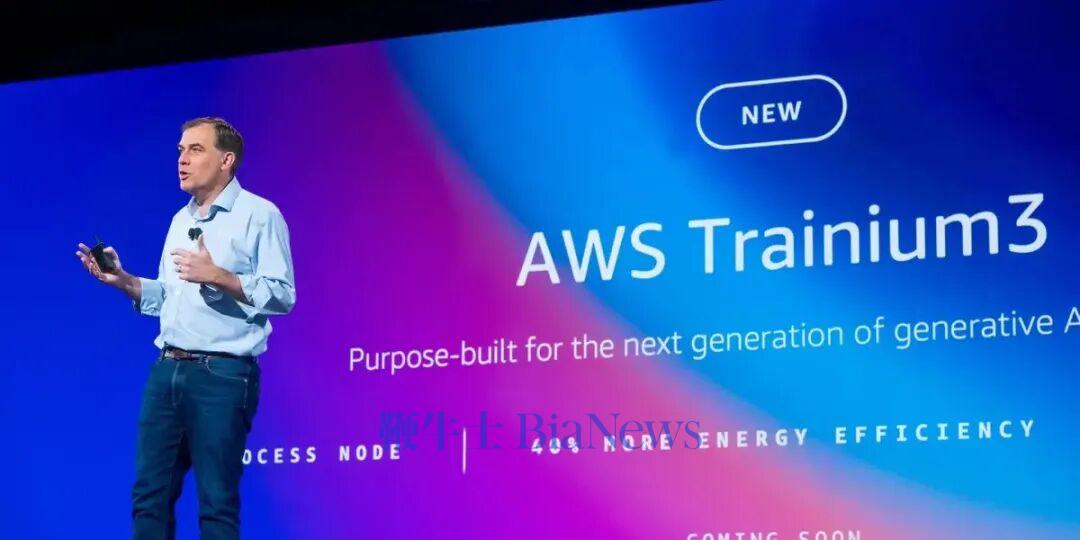
Core Insights - The U.S. government has officially approved NVIDIA to sell high-end H200 GPU chips to China and other "approved customers," requiring a 25% sales commission to the U.S. government, which also applies to other U.S. chip giants like AMD and Intel [2][24] - This approval marks a significant victory for NVIDIA CEO Jensen Huang, who has lobbied for months to lift the export ban, which had severely impacted NVIDIA's market share in China [2][24] - NVIDIA's stock price rose following this news, as the company had lost a substantial portion of its market share in the AI GPU market, dropping from 95% to nearly zero in the past two years due to U.S. export restrictions [2][24] Group 1: NVIDIA's Market Position - NVIDIA is a leading company in the generative AI era, dominating the AI chip market with over 80% market share due to its performance advantages and the CUDA platform [3][25] - The company's data center business generated $130 billion in revenue in the most recent fiscal year, but it faces risks due to high customer concentration, with the top two customers accounting for 39% of revenue [3][25] - Huang has expressed concerns about losing the Chinese market, which is estimated to be worth $20 billion to $30 billion in AI GPUs this year [3][24] Group 2: Competition from Major Tech Giants - Major cloud service providers like Google, Amazon, and Microsoft are accelerating the development of their own chips, posing a significant threat to NVIDIA's market position [3][24] - Amazon's new AI chip, Trainium 3, is designed to be a low-cost alternative to NVIDIA's GPUs, claiming to reduce training costs by 50% compared to similar GPU systems [6][27] - Google has released its seventh-generation TPU, Ironwood, which boasts a performance increase of 10 times over its predecessor and is optimized for high-throughput, low-latency inference tasks [10][31] Group 3: Future Market Dynamics - The competition is expected to intensify in 2026, with a focus on a "performance vs. cost" showdown as Google, Amazon, and Microsoft release their latest self-developed chips [38] - Amazon aims to increase its self-developed chip share to 50% and grow its AI cloud market share from 31% to 35% [40] - Google's TPU market share has reportedly climbed to 8%, with plans to sell its previously internal-use TPUs to external customers, further diversifying the chip supply landscape [41][40]