
HX自研机械臂骨科手术机器人

Search documents
国产硬实力来了!深圳造手术机器人拿下欧盟顶级认证
机器人大讲堂· 2026-03-31 08:52
Core Viewpoint - The article highlights the significant achievement of Yuanhua Intelligent Technology in obtaining the EU MDR certification for its orthopedic surgical robot, marking a crucial step for the company in entering the European and global markets [2][11]. Group 1: Certification and Regulatory Standards - The EU MDR regulations, implemented in 2021, are recognized as one of the highest regulatory standards in the global medical device field, with products lacking this certification unable to be sold in EU member states and other countries recognizing the CE mark [3]. - The certification process for high-risk medical devices like orthopedic surgical robots involves rigorous evaluation of the entire product lifecycle, including clinical evidence and post-market surveillance [4]. Group 2: Company Development and Product Innovation - Yuanhua Intelligent, established in 2018, has focused on the innovation and precision manufacturing of high-end specialized medical equipment, achieving significant breakthroughs in just seven years [5]. - The company has developed an integrated solution for orthopedic surgical robots, which includes "robot + software + consumables," and has created the world's first orthopedic surgical robot covering five major indications [6][8]. Group 3: Market Impact and Strategic Significance - The EU is the second-largest medical device market globally, valued at over €100 billion, and obtaining MDR certification allows Yuanhua Intelligent to apply for CE certification, facilitating access to European hospitals [11]. - The MDR certification is expected to have a spillover effect in emerging markets in Asia-Pacific, the Middle East, Africa, and Latin America, where EU standards often influence local regulatory policies [11]. Group 4: Competitive Positioning - The achievement of MDR certification positions Yuanhua Intelligent to compete with international giants in the high-end surgical robot market, showcasing China's capabilities in high-end medical equipment [13]. - The certification has led to the establishment of a closed-loop management system within the company, enhancing its organizational capabilities and laying the foundation for high-quality global development [13]. Group 5: Conclusion - The progress made by Yuanhua Intelligent in obtaining international certifications reflects the overall advancement of China's surgical robot industry, signaling the onset of a global era for Chinese surgical robots [14].

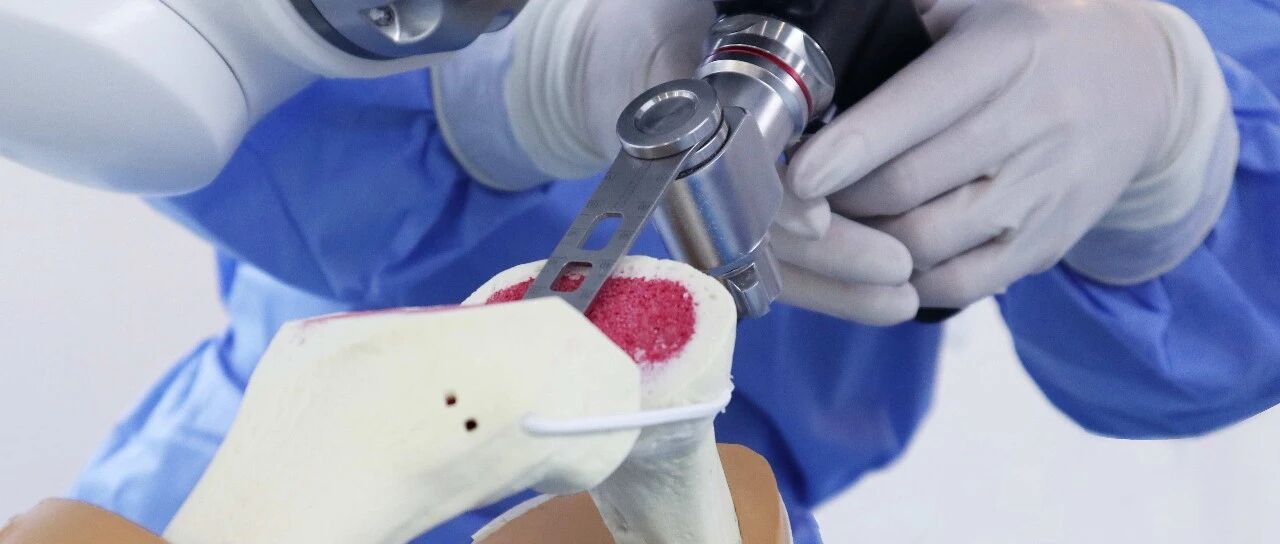
我国首款完全自研HX自研机械臂骨科手术机器人实施首台临床手术
机器人大讲堂· 2026-02-12 03:00
Core Viewpoint - The article emphasizes the significance of the HX self-developed orthopedic surgical robot, marking a milestone in China's surgical robot industry, which has been in development for over a decade [1][3]. Group 1: Technological Advancements - The HX system represents a shift from relying on foreign components to a fully self-developed surgical robot, showcasing a six-axis robotic arm capable of precise movements in a surgical environment [3][5]. - The design of the HX robotic arm incorporates a hybrid structure of serial and parallel configurations, ensuring a wide working space while maintaining high rigidity and agility, essential for orthopedic surgeries [8][10]. - Each joint of the robotic arm is independently driven, enhancing control capabilities and allowing for complex movements, which is crucial for executing intricate surgical tasks [10]. Group 2: Safety Mechanisms - The HX system implements a three-tier safety protection system, which includes real-time resistance sensing to prevent accidental cuts to vital tissues [12][13]. - Hard safety limits are established for bone cutting edges, depth, and angles, ensuring that the robot operates within predefined safe parameters [14]. - The system features real-time dynamic compensation to adjust for patient movements during surgery, maintaining tool alignment with the intended path [14][16]. Group 3: Data and Research Integration - The HX system is designed as an open and expandable platform, enabling data collection from each surgery to support research and clinical innovation in orthopedic procedures [19]. - Collaborations with top medical institutions across China aim to integrate industry, academia, and clinical practice, fostering a feedback loop for continuous technological improvement [19]. Group 4: Future Implications - The successful operation of the HX robotic arm at West China Hospital symbolizes a significant step towards the autonomy of high-end medical equipment in China, reducing reliance on foreign technology [21]. - The potential for the HX system to be utilized in more grassroots hospitals signifies a broader accessibility to advanced surgical techniques, promoting the concept of precision medicine in orthopedics [21][22].
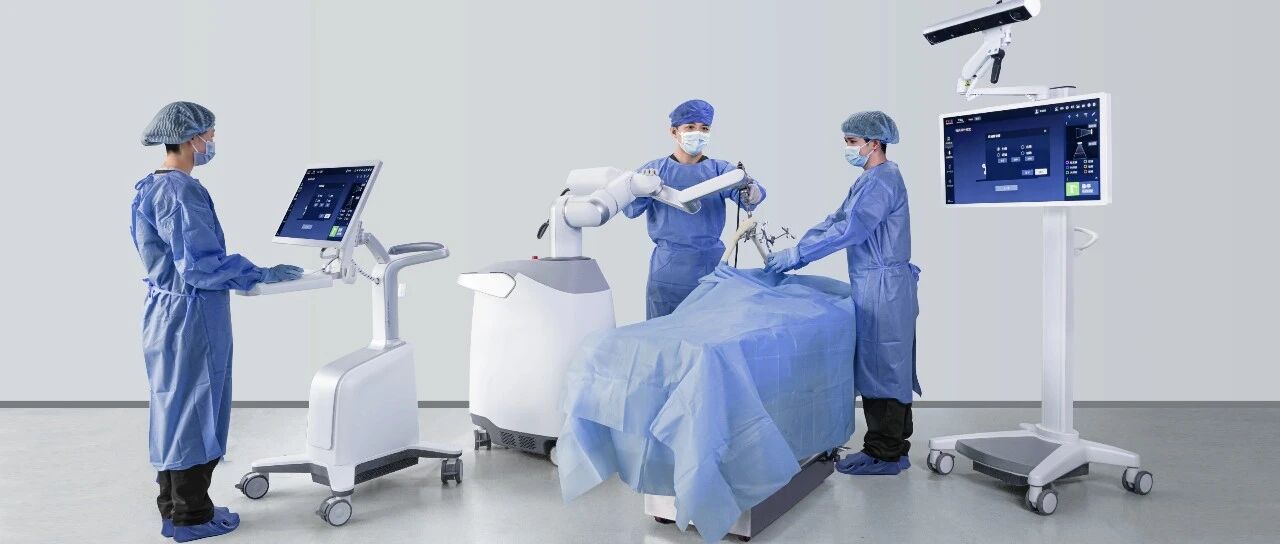
我国首款“全自研”机械臂骨科手术机器人“上岗”,医疗创新ETF(516820)交投活跃
Xin Lang Cai Jing· 2026-02-12 02:53
Core Viewpoint - The medical innovation sector is experiencing growth, highlighted by the successful debut of China's first fully self-developed orthopedic surgical robot, indicating advancements in medical technology and potential investment opportunities in the sector [1][2]. Group 1: Market Performance - As of February 12, 2026, the CSI Medical and Medical Device Innovation Index (931484) increased by 0.05%, with notable gains from companies such as WuXi AppTec (up 3.39%) and Kanglong Chemical (up 1.37%) [1]. - The Medical Innovation ETF (516820) is currently priced at 0.37 yuan, with a trading volume of 794.40 million yuan and a turnover rate of 0.42% [1]. - Over the past month, the average daily trading volume of the Medical Innovation ETF was 65.14 million yuan [1]. Group 2: Industry Insights - CITIC Securities believes that surgical robots represent one of the best business models in the medical device sector, as installed equipment will drive continuous consumption of consumables, leading to stable revenue and cash flow [2]. - The global market for surgical robots is estimated to exceed 1 trillion yuan, with significant growth potential in penetration rates and market size [2]. - Domestic leaders in the surgical robot market are accelerating product iterations, achieving performance levels close to global leaders, and have a substantial portion of their revenue from overseas markets, which are experiencing high growth [2]. - AI is expected to empower surgical robots to achieve autonomous operations, further assisting or replacing some surgical procedures performed by doctors, which will benefit industry penetration rates and enhance company valuations [2]. Group 3: Index Composition - The CSI Medical and Medical Device Innovation Index comprises 30 publicly listed companies with strong profitability, growth potential, and research innovation capabilities, reflecting the overall performance of the medical and medical device sector [2]. - As of January 30, 2026, the top ten weighted stocks in the index include WuXi AppTec, Mindray Medical, and Heng Rui Medicine, collectively accounting for 63.9% of the index [2].
