HeatWave

Search documents
裁员惹的祸?MySQL开源仓库被曝三个月无提交
3 6 Ke· 2026-01-14 12:17
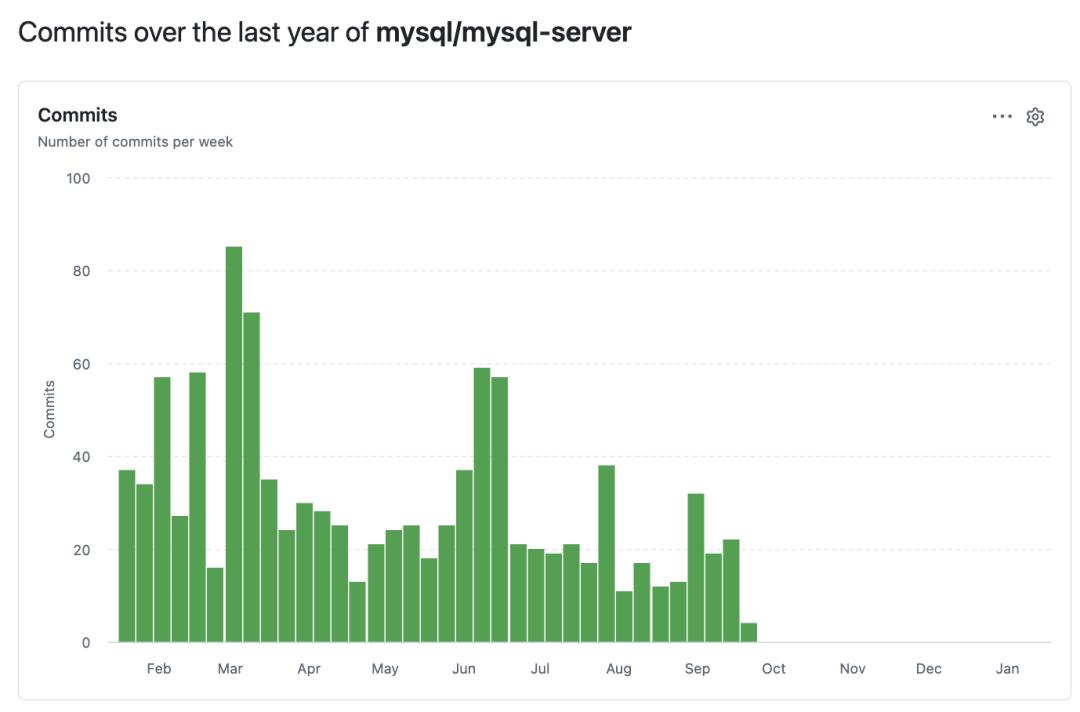
Core Viewpoint - MySQL, owned by Oracle, has not seen any code commits in its GitHub repository for over three months, raising concerns about its future as an open-source project and its current status as a genuine open-source initiative [1][4]. Development Activity - MySQL's development activity has reached a historical low, with the total number of commits in 2025 dropping to the lowest level since the project's inception in 2000-2001, significantly below pre-2019 levels [5][9]. - The official MySQL Server repository has recorded zero commits as of now [7]. Impact of Workforce Changes - A significant workforce reduction occurred in September 2025, with approximately 70 core developers laid off, which coincides with the observed stagnation in MySQL's development [9]. - This mass layoff has been linked to Oracle's strategic shift away from the community version of MySQL, leading to concerns about the project's viability [10][11]. Strategic Shift of Oracle - Oracle is increasingly focusing on proprietary product lines, including enterprise versions and cloud services, while resources for the open-source community version are being reduced [11]. - The MySQL team has been integrated into Oracle's HeatWave business unit, indicating a shift towards cloud analytics and AI capabilities rather than traditional community version development [11]. Community Concerns - Industry experts express skepticism about Oracle's commitment to maintaining MySQL as a genuine open-source project, suggesting that it has become more of a nominal open-source initiative [12][16]. - Comparisons are drawn with MariaDB, which maintains a more active and transparent development process, highlighting the perceived decline of MySQL's community engagement [15][16]. User Experience and Technical Issues - Users have reported performance declines with newer MySQL versions, and significant bugs have persisted for extended periods, raising concerns about the software's reliability [16][17]. - The lack of substantial new releases since MySQL 8.0 in 2018 has led to dissatisfaction among users, with the next major version not expected until 2024 [17]. Future Outlook - Despite MySQL's current popularity and installation base, the stagnation of its open-source project may compel enterprises to reconsider their database choices, with a noticeable trend of users migrating to MariaDB [22]. - While MySQL is unlikely to disappear immediately, continued stagnation could lead to a decline in its usage [24].