HybridOS

Search documents
储能出海的“中年危机”:硬件已是世界第一,为何依旧焦虑?
3 6 Ke· 2026-01-19 07:41
Core Insights - The lithium battery and energy storage industry in China is experiencing significant policy changes, including the cancellation of export tax rebates, which will drop from 9% to 6% on April 1, 2024, and be eliminated entirely by next year [1] - The Chinese government is concerned about the industry's competitive practices, urging companies to avoid destructive competition that harms both domestic and international markets [1] - Despite the impressive scale of overseas orders, there is a risk that Chinese companies may become overly reliant on hardware sales, losing control over software and operational aspects [3][4] Industry Overview - By the end of 2025, Chinese energy storage companies are expected to secure overseas orders totaling approximately 284 GWh, enough to cover global installations for over three years based on 2024 projections of around 80 GWh [2] - The cyclical nature of overseas storage orders is influenced by local electricity trading rules, grid access speeds, and interest rate environments, rather than solely by production capacity [4] Competitive Landscape - FlexGen, a U.S. energy company, aims to become the "Android" of the energy storage industry, having expanded its project scale significantly after acquiring the assets of bankrupt competitor Powin [5][6] - FlexGen's HybridOS, a hardware-agnostic operating system, allows for standardized integration across various systems, potentially positioning it as a dominant player in the market [7][10] - The company has captured a significant market share in Texas, indicating its growing influence [10] Algorithmic Trading and Profitability - Denmark has emerged as a hub for energy trading algorithms, with companies like InCommodities and Danske Commodities reporting substantial profits due to automated trading strategies [11][12] - The ability to leverage algorithms for trading in volatile markets has allowed these companies to generate significant profits, highlighting the importance of software capabilities in the energy sector [14][16] Market Dynamics - The disparity in pricing between Chinese manufacturers and companies like Tesla and Fluence is attributed to the latter's operational certainty and software capabilities, which provide a competitive edge in the market [15][16] - Chinese energy storage companies are beginning to enhance their software capabilities, but face challenges from competitors entering the market with lower prices, potentially leading to a price war [17][18]

天合光能签订北美储能大单
鑫椤储能· 2025-05-06 07:04
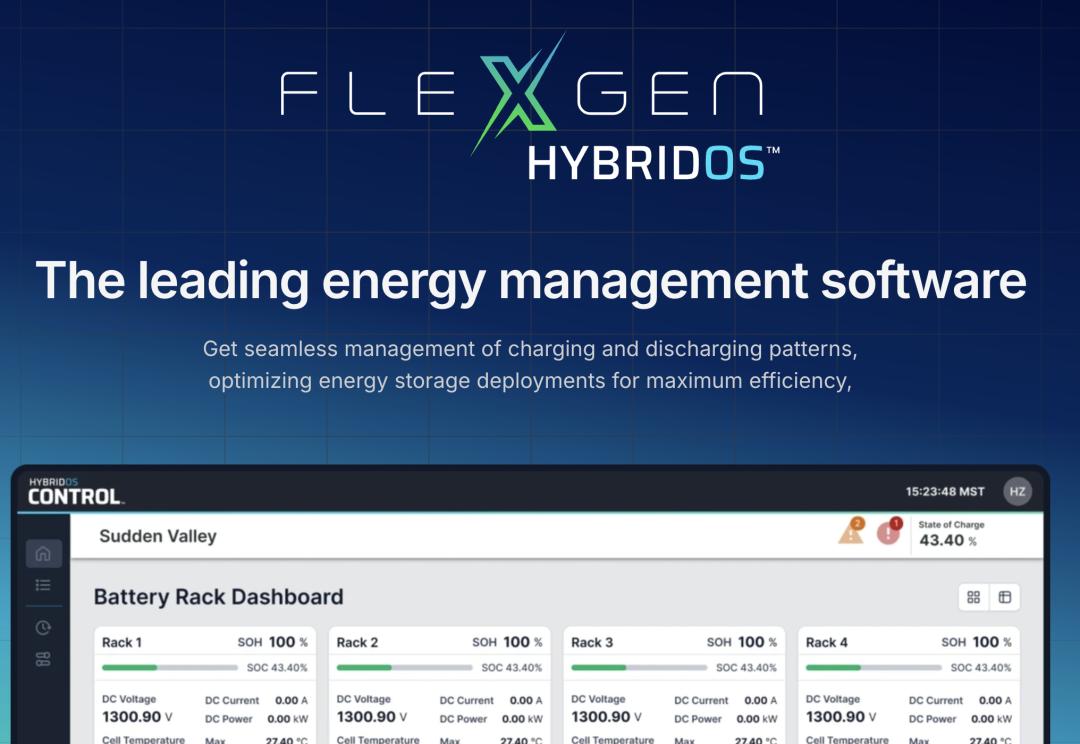
Core Insights - Trina Storage, a subsidiary of Trina Solar, has partnered with FlexGen to deliver a grid-scale battery storage system in Houston, Texas, with a capacity of 371 MWh, showcasing its competitive advantages in technology reliability and financing capability [1][2] - The company expects to achieve over 100% growth in energy storage installations in 2024, with cumulative shipments exceeding 10 GWh, ranking among the top ten global energy storage system integrators [2] - The Elementa King Kong 2 storage solution provided by Trina Storage enhances system efficiency and reduces costs, while FlexGen's HybridOS software optimizes operational performance through AI [2][3] Project Details - The project is developed by SMT Energy and represents Trina Storage's first grid-scale project in North America, reflecting strong market recognition of its products and solutions [3][4] - Financing for the project has been successfully closed with participation from leading financial institutions like Macquarie Group and KeyBank, indicating confidence in Trina Storage's solutions [3][4] Strategic Implications - Trina Storage's technological innovation and global delivery capabilities position it for continued expansion in the energy storage market, contributing to sustainable development and the transition to clean energy [5]