IP联名黄金

Search documents
3万的葫芦秒没 38万鸳鸯被买空!双11黄金消费有新变化
Nan Fang Du Shi Bao· 2025-11-18 11:49
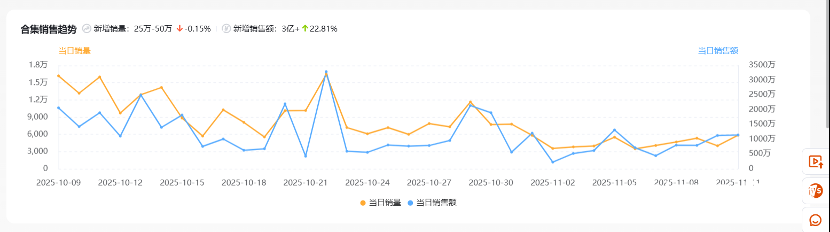
Core Insights - The gold jewelry market experienced unprecedented sales during the recent Double Eleven shopping festival, with significant growth in both online and offline channels [1][3][6] Sales Performance - Nine gold/jewelry brands ranked among the top 20 in sales on Kuaishou, with leading brands like China Jewelry, Chow Tai Fook, and Zijin showing high average transaction values [1] - Tmall reported double-digit growth in the gold category, with over 50 jewelry brands achieving sales exceeding 10 million yuan [1][6] - Douyin saw a 22.81% month-on-month increase in gold product sales during the Double Eleven period [3] Consumer Trends - The trend towards younger consumers is evident, with a significant portion of gold sales coming from the 18-34 age group, contributing over one-third of total sales [10] - The popularity of gold coupons during the festival, which functioned almost like cash, led to a rush for these vouchers, indicating strong consumer interest [4][6] Online Sales Growth - Online penetration for gold sales is currently below 15% but is expected to exceed 30% by 2025, highlighting a growing shift towards e-commerce [3] - Chow Tai Fook reported a 28.1% year-on-year increase in online retail value, while other brands like Lao Pu Gold saw a staggering 313.3% growth in online revenue [3][6] Product Innovation - The rise of high-craftsmanship gold products, particularly those made using traditional techniques, has reshaped the market, with sales of such items increasing over 400% on Tmall [6][10] - IP-themed gold products are gaining traction, with brands launching collaborations with popular culture elements, leading to significant sales growth in this category [10][12] Market Dynamics - The demand for high-value, lightweight gold products is increasing, with consumers showing a preference for investment-grade items like gold bars [3][6] - The overlap between luxury brand consumers and gold buyers is notable, with a 77.3% overlap rate indicating a shift in consumer demographics towards high-net-worth individuals [9]