
IP联名

Search documents
食饮-春糖情况反馈
2026-03-30 05:15
Summary of Key Points from the Conference Call Industry Overview - The liquor industry is currently in the latter half of a bottoming phase, with total adjustments not yet reaching an upward turning point, and it is expected that the cycle will take several more quarters to clear [1][7] - The liquor instant retail market is expected to exceed 50 billion yuan by 2025, becoming the third-largest channel after traditional distribution and e-commerce [1][4] - The consumption of liquor is showing trends of lower alcohol content and younger demographics, with strategic products like 29-degree Wuliangye and 38-degree Guojiao gaining traction [1][4] Key Trends in Food and Beverage - The soft drink sector is experiencing differentiation, with electrolyte water projected to reach nearly 20 billion yuan by 2025, while 100% pure juice is growing at 26%, contrasting with the double-digit decline in low-concentration juices [1][3] - The condiment sector is benefiting from the recovery of the restaurant industry, with growth rates in January-February 2026 reaching a 10-month high, and an industry turning point expected in Q2-Q3 due to low base effects [1][9] - The snack channel remains vibrant, with a SKU iteration rate of 10%-15%, and konjac products gaining popularity due to health trends [1][12] Changes in Market Dynamics - The 2026 Spring Sugar and Wine Fair showed a weaker overall performance compared to previous years, with leading liquor companies like Moutai and Wuliangye reducing or canceling hotel exhibitions, while smaller companies remained active in seeking market opportunities [2][5] - The food sector saw higher engagement and interest, particularly in new categories that combine technology and health concepts [2][3] Product Innovation and Consumer Trends - The liquor industry is seeing a shift towards product innovation focusing on lower alcohol content, health-oriented products, and appealing to younger consumers [4][7] - The introduction of IP collaborations in the food sector, such as the partnership between traditional food brands and popular IPs, indicates a trend where content assets are becoming part of the core supply chain [3] Competitive Landscape and Future Outlook - The soft drink industry is facing increased competition and rising costs, particularly with PET packaging prices, leading to a concentration of market share among leading companies [11] - The beer sector is witnessing a focus on major brands and product innovation, with a notable increase in cross-category flavors [8][9] - The condiment sector is expected to continue its recovery, driven by the restaurant industry's resurgence and the growth of compound condiments [9] Investment Recommendations - For the liquor sector, investment should focus on brands with price elasticity such as Moutai, Wuliangye, and Luzhou Laojiao, while also considering companies like Yingjia Gongjiu and Gujing Gongjiu that may benefit from market clearing [13] - In the condiment sector, attention should be given to leading companies with strong product and channel capabilities, as well as those with expected price increases and high dividend yields [13] - The beer sector should focus on companies with national capabilities and strong dividend policies, while the dairy sector should consider leading dairy companies as the industry cycle bottoms out [13] - For beverages, snacks, and food raw materials, investment logic should center on leading enterprises such as Dongpeng Beverage, Nongfu Spring, and others [13]

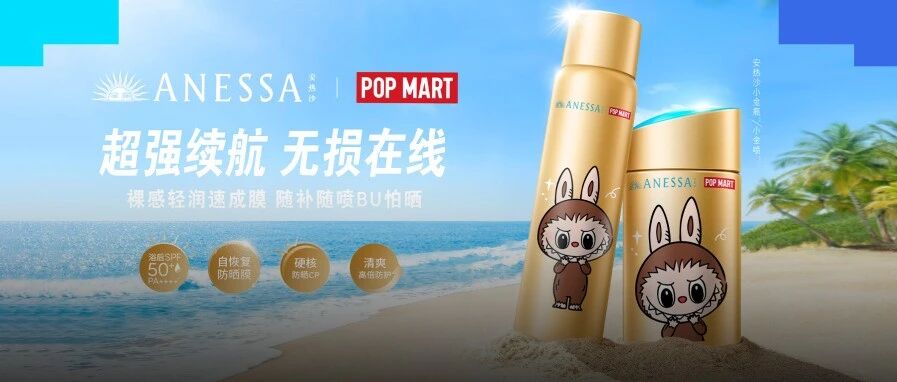
安热沙×LABUBU,百年专业品牌借IP赢得年轻主场
FBeauty未来迹· 2026-03-28 09:36
Core Insights - The beauty consumption market is currently driven by a strong "emotional wave," where young consumers seek emotional resonance, personal expression, and social currency rather than just product functionality [2] - Collaborative branding (IP partnerships) has become a key strategy for brands to connect with younger audiences, but the challenge lies in ensuring these collaborations create sustainable brand assets rather than fleeting sales spikes [2][5] - A successful collaboration should resonate deeply with both the brand's core values and the IP's essence, telling a compelling and complete story to consumers [5] Group 1: Collaboration Case Study - Shiseido's ANESSA brand announced a collaboration with POP MART's THE MONSTERS, launching a limited edition gift box that aims to refresh the brand's image and resonate with younger consumers [3][9] - The partnership between ANESSA and THE MONSTERS is notable for its alignment of values, merging "professional protection" with "adventurous spirit," appealing to the target demographic's desire for exploration [5][7] - The collaboration's slogan "有金'BU'险 玩转日光" encapsulates the relationship between ANESSA's protective technology and LABUBU's adventurous character [7] Group 2: Product Innovation and Emotional Value - The collaboration resulted in a gift box that combines advanced technology with immersive storytelling, transforming a professional sunscreen product into a culturally resonant "adventure energy pack" [13][21] - ANESSA's core product, the "小金瓶" (Little Gold Bottle), features advanced technologies that address common sunscreen issues, enhancing user experience while meeting the emotional needs of young consumers [16][20] - The partnership redefined sunscreen from a burden to a companion for joyful adventures, aligning with the rising emotional consumption trends among Gen Z [12][21] Group 3: Strategic Positioning and Market Leadership - ANESSA's collaboration with THE MONSTERS is part of a broader strategic shift within Shiseido to engage younger consumers and build long-term brand equity in a competitive market [23][31] - The brand's market leadership is supported by over 100 years of research and continuous technological innovation, with a focus on UV protection and skin health [23][24] - ANESSA's ongoing collaborations with globally recognized IPs reflect a systematic approach to brand rejuvenation, reinforcing its core message of enabling consumers to enjoy life under the sun [28][31]

曼卡龙(300945):迎轻量化消费浪潮,区域龙头加速全国布局
GF SECURITIES· 2026-03-27 09:35
Investment Rating - The report assigns a "Buy" rating to the company [5]. Core Insights - The company is positioned to capitalize on the lightweight consumption trend, with a focus on young consumers and a multi-brand strategy that enhances its competitive edge [12][19]. - The company has experienced significant growth in e-commerce, with a compound annual growth rate (CAGR) of approximately 73.1% from 2017 to 2024, and online revenue accounted for over 50% of total revenue in the first half of 2025 [12][32]. - The financial forecast indicates that revenue will reach approximately 2.99 billion yuan in 2025, with a net profit of around 138 million yuan, reflecting a strong growth trajectory [4][12]. Company Overview - The company, known as Mankalon, focuses on lightweight and fashionable jewelry, targeting young urban women with a philosophy of "jewelry for every day" [19]. - Mankalon has established a strong brand presence in the Zhejiang market and is expanding nationally, with 247 stores across 18 provinces and 3 cities as of the first half of 2025 [20]. Business Composition - The company's revenue is primarily driven by gold products, with a significant increase in the contribution from gold jewelry, which has grown from 60.6% to 97.8% of total revenue from 2017 to 2024 [29]. - E-commerce has become the core revenue source, with online sales growing from 3.3% to 55.8% of total revenue in the same period [32]. Financial Analysis - The company has demonstrated resilience in revenue growth, achieving a CAGR of 41.1% from 2020 to 2022, and is expected to continue this trend with projected revenue growth of 22.6% and 29.3% in 2024 and 2025, respectively [37]. - The net profit for the first three quarters of 2025 reached a historical high of 102 million yuan, supported by effective cost control and operational efficiency improvements [38]. Industry Analysis - The gold jewelry market in China is expected to grow significantly, with the market size projected to increase from 3.25 trillion yuan in 2020 to 5.24 trillion yuan in 2024, capturing a larger market share [42]. - The industry is experiencing a transformation with trends towards lightweight, high-end, and compliant products, indicating a positive growth outlook for quality companies like Mankalon [42].
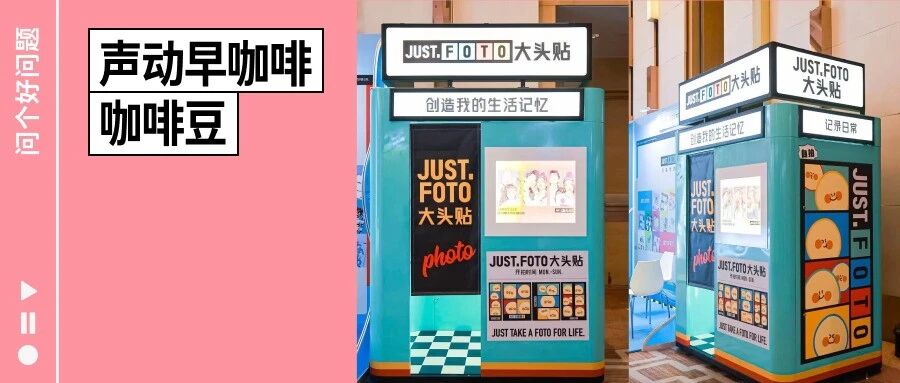
大头贴重回商圈,变身「人生四格」后为何在当下越开越多?|声动早咖啡
声动活泼· 2026-03-27 09:32
Core Viewpoint - The resurgence of photo booths, particularly self-service photo booths like JUST.FOTO and 拍立方, reflects a growing trend among young consumers in China, driven by nostalgia and the influence of Korean culture [4][5][6]. Market Overview - The market for self-service photo booths in China has seen significant growth, with an estimated industry sales increase from less than 3.2 billion RMB in 2021 to approximately 70.97 billion RMB in 2023 [5][6]. - As of 2023, JUST.FOTO leads the market with over 1,800 locations, indicating a strong competitive position [5]. Historical Context - The original concept of photo booths, known as purikura, originated in Japan in 1995 and gained popularity among young women, but faded around 2010 due to the rise of new photography technologies [4][5]. - The recent revival of photo booths in Asia, particularly in South Korea, has influenced the re-emergence of this trend in China [5][6]. Consumer Behavior - The current generation of consumers prefers self-service options that allow for personal expression without the need for interaction with photographers, aligning with the social media culture [6][7]. - The pricing model for these booths is accessible, typically ranging from 20 to 30 RMB per photo, appealing to young consumers seeking affordable entertainment [6][10]. Business Model and Expansion - The business model for brands like 人生四格 includes a franchise system that provides a steady cash flow, with franchise fees based on sales [10]. - The expansion strategy involves placing booths in high-traffic areas such as shopping malls and subway stations, which helps reduce rental costs compared to traditional photo studios [10][11]. Competitive Landscape - The competition in the photo booth market is heavily influenced by IP licensing, with brands leveraging popular culture and celebrity endorsements to attract customers [11]. - The reliance on IP effects may limit the potential for higher profit margins, as the business model lacks higher-value services found in traditional photography [11].
重磅 | 情绪消费:现象级IP背后的变现密码
科尔尼管理咨询· 2026-03-19 09:41
Core Insights - The article emphasizes the significance of "emotional consumption" as a driving force behind consumer behavior, highlighting how it reflects deeper changes in consumer logic towards emotional value, belonging, and self-identity [2][5] - The rapid growth of China's IP derivative market is noted, with projections estimating the market size to reach approximately 750 billion RMB by 2028, reflecting a compound annual growth rate (CAGR) of about 11% [5] - The article discusses the evolution of brand strategies from relying on external IP collaborations to developing proprietary IP, which allows brands to create and control their emotional value [11][15] Group 1: Emotional Consumption - Emotional consumption is identified as a key factor in driving repurchase behavior, with consumers increasingly seeking products that fulfill emotional and identity needs rather than just functional ones [2][5] - The article outlines three mechanisms of emotional value in IP collaborations: nostalgia from childhood memories, social currency for identity validation, and scarcity anxiety from limited editions [7] - The shift in competition logic from price and functionality to content and emotional value is highlighted, indicating a transformation in how brands engage with consumers [7][10] Group 2: IP Market Dynamics - The article states that the top five categories in the IP product market—toys, clothing and accessories, food and beverages, gifts and cultural memorabilia, and stationery—account for about 65% of sales, indicating strong consumer preference for tangible IP products [5] - The case of Miniso illustrates how effective IP collaborations can enhance brand perception and sales frequency, transitioning from a low-cost retailer to a brand with cultural and design significance [9][10] - The challenges of relying on external IP are discussed, including lower profit margins due to licensing fees and the risk of becoming overly dependent on external emotional assets [13][28] Group 3: Proprietary IP Development - The article emphasizes the importance of brands developing their own IP to reduce reliance on external collaborations, with examples like Mixue Ice City successfully creating a recognizable IP that resonates with consumers [14][15] - The transition to proprietary IP is seen as a strategic move to build long-term emotional assets and enhance brand loyalty, allowing for better control over brand narrative and consumer engagement [16][30] - The operational efficiency and higher profit margins associated with proprietary IP are highlighted, as brands can avoid high licensing costs and create a more cohesive brand experience [15][30] Group 4: Monetization Strategies - The article outlines a "monetization code" for successful IP collaborations, focusing on IP selection, product design, social media operations, and immersive experiences [20] - Effective IP selection involves matching the maturity of the IP with brand goals, ensuring that the chosen IP can effectively drive engagement and emotional resonance [21] - The shift from functional to story-driven product design is emphasized, where the narrative behind a product becomes more important than its functionality, driving consumer interest and repeat purchases [22][23] Group 5: Social Media and Immersive Experiences - Social media is identified as a critical platform for amplifying the value of IP products, encouraging user participation and emotional expression [24] - The importance of creating immersive experiences across various channels is discussed, with brands leveraging both online and offline strategies to enhance consumer engagement and emotional connection [25] - The article suggests that successful brands are those that can create a seamless emotional journey for consumers, integrating various touchpoints to maximize engagement and conversion [25][30]

16个城市开展“电影+”消费综合试点,券商建议积极探索IP联名
Huan Qiu Wang· 2026-02-13 00:57
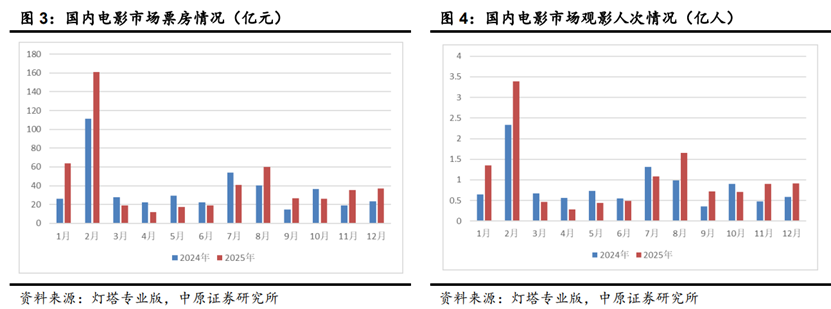
Group 1 - The core viewpoint of the article highlights the launch of the "Film+" consumption pilot program in 16 cities, aiming to integrate film consumption with market activities, alongside the initiation of the "2026 Film Economy Promotion Year" with a budget of at least 1.2 billion yuan for subsidies to encourage movie attendance [1] - The domestic film market is expected to recover in 2025, with projected box office revenue reaching 51.832 billion yuan, representing a year-on-year growth of 21.95%, and total audience attendance of 1.238 billion, an increase of 22.57% [1] - The extended 9-day Spring Festival holiday in 2026 is anticipated to boost viewing demand, with improved content supply likely to elevate box office performance during this peak period [1] Group 2 - The media industry is experiencing a favorable policy environment, with increased regulatory certainty and supportive measures aimed at promoting healthy industry development, which is expected to enhance content supply and meet the growing demand for quality content [1] - The performance of the Spring Festival period is crucial for the film and television sector's financial results and market valuations, as the industry faces demand growth limitations [3] - Film companies are diversifying their business models beyond core operations by exploring new commercial avenues such as IP collaborations, trendy merchandise, offline entertainment, and AI-generated content to enhance competitiveness and stabilize performance [3]
中国新年货丨情绪消费崛起 京东京喜自营IP联名、生肖产品热销
Zhong Jin Zai Xian· 2026-02-12 07:58
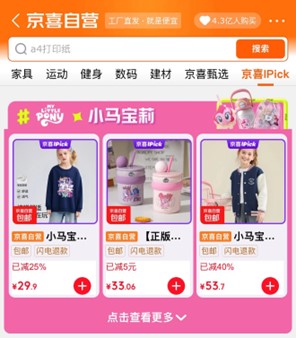
Core Insights - The article highlights the growing trend of IP-derived products becoming essential in traditional Chinese New Year consumption, driven by the preferences of younger consumers [3][4][12] Group 1: Market Trends - The market for IP-derived products in China's digital entertainment industry is projected to reach 75.3 billion yuan by 2025, reflecting a year-on-year growth of 62.8% [3] - The demand for IP-themed products is shifting from traditional necessities to items that enhance social sharing experiences, particularly among younger consumers [4][6] Group 2: Consumer Behavior - Young consumers are increasingly favoring products that are visually appealing and shareable on social media, such as IP-branded clothing and decorations [4][8] - The integration of classic IPs like Disney and My Little Pony into everyday consumer goods, including children's clothing and home decor, indicates a significant shift in purchasing criteria [4][6] Group 3: Product Development - Companies are adapting their product offerings based on data analysis, predicting trends in consumer preferences for IP-themed items during festive seasons [4][11] - The introduction of innovative designs, such as plush textures and visual upgrades for traditional items, is aimed at appealing to contemporary aesthetics [10][11] Group 4: Sales Performance - During the New Year shopping period, orders for IP-themed children's clothing and shoes surged, with leading IPs contributing over 70% of sales [6][11] - The sales volume of festive products has seen a sixfold increase since January 2026, indicating a strong market response to IP-derived offerings [11]

哈尔斯(002615):携手知名IP探索联名新范式 自主品牌多年投入进入收获期
Xin Lang Cai Jing· 2026-02-09 04:38
Investment Logic - The company collaborates with well-known IPs to explore a new paradigm of co-branding, leveraging its advantages in materials, cup design, and manufacturing processes to create high-quality products combined with the high added value and strong influence of IP brands, aiming to develop a "hit product" model [1] Company Developments - Since 2020, the company has partnered with Huawei to launch the HarmonyOS Smart Water Cup, which won an international CMF design award and offers features like smart drinking reminders and personalized health management through the Huawei Smart Life App, establishing itself as a leader in the smart water cup industry [2] - In 2022, the SIGG sub-brand collaborated with Pop Mart to launch a limited edition Swiss Adventure series, featuring products like the reverse clock bouncing straw cup and cotton candy silicone cup lid, available on major online platforms [2] - By the end of 2025, the company aims to establish a brand ecosystem with "哈尔斯&尔滨," launching six products that blend cultural significance with practical value, enhancing consumer experience [2] - The company has built a diverse IP collaboration matrix, with partnerships including Coca-Cola, MAIMAI, China Aerospace, The Smurfs, and Palace Museum culture, and is expanding its IP collaboration breadth and depth [2] Financial Forecast and Valuation - The company forecasts revenues of 3.45 billion, 4.38 billion, and 5.30 billion yuan for 2025-2027, representing year-on-year growth of +3.67%, +26.87%, and +21.04% respectively, while net profit is projected at 144 million, 284 million, and 397 million yuan, with a significant drop of -49.65% in 2025 followed by recoveries of +96.84% and +39.90% in subsequent years [3] - The 2025 performance is expected to be under pressure due to production ramp-up challenges in Thailand, supply chain setup, localization team building, and depreciation costs, alongside short-term adjustments from ODM/OEM clients and initial investments in proprietary brands affecting short-term profits [3] - As production capacity stabilizes in 2026 and domestic sales mature, the revenue outlook is expected to improve, with a target PE of 15X for 2026, leading to a "buy" rating [3]

哈尔斯(002615):携手知名IP探索联名新范式,自主品牌多年投入进入收获期
SINOLINK SECURITIES· 2026-02-05 01:09
Investment Rating - The report assigns a "Buy" rating to the company, indicating an expected price increase of over 15% in the next 6-12 months [4][12]. Core Insights - The company is leveraging its two major brands, Hars and SIGG, to explore new collaborative paradigms with well-known IPs, creating high-quality products that combine brand value and influence [2]. - The company has established a diverse IP collaboration matrix, partnering with brands such as Coca-Cola and the Palace Museum, enhancing its product offerings and market presence [2]. - The company’s self-branded IP + thermos cup model has been successfully implemented, with plans to expand into more trendy categories in the medium to long term [3]. Financial Projections - Revenue is projected to reach RMB 34.5 billion, RMB 43.8 billion, and RMB 53.0 billion for the years 2025, 2026, and 2027, respectively, reflecting growth rates of +3.67%, +26.87%, and +21.04% [4][9]. - The net profit attributable to the parent company is expected to be RMB 1.44 billion, RMB 2.84 billion, and RMB 3.97 billion for the same years, with a significant rebound in growth rates of -49.65%, +96.84%, and +39.90% [4][9]. - The company anticipates overcoming short-term challenges related to production capacity and supply chain issues by 2025, leading to improved performance in subsequent years [4]. Valuation - The report suggests a 15X PE valuation for the company in 2026, reflecting the anticipated recovery and growth in both domestic and overseas markets [4].
大众点评:热爱当下重返线
美团· 2026-01-31 09:45
Macro Trends - The service consumption market in China is entering a new development stage, with per capita service consumption expenditure rising from 39.7% in 2013 to 46.1% in 2025[15] - The service retail market is projected to approach 30 trillion yuan by 2025, with the "happy life" consumption market exceeding 3 trillion yuan and a compound annual growth rate of 7.4% from 2021 to 2025[21] - National policies promoting consumption are frequently issued, aiming to stimulate service consumption and release its potential[19] Micro Consumption Insights - The trend of "saving happiness" is emerging, where consumers prefer low-cost experiences, such as 9.9 yuan classes, leading to a 151.9% increase in the supply of experience classes priced under 10 yuan[38] - "Experience alternatives" are gaining traction, with consumers opting for cost-effective services like shared massage chairs and budget accommodations, reflecting a rational attitude towards brand premiums[56] - "Value for emotion" consumption is on the rise, with a 112% increase in searches for healing-related services, indicating a shift towards emotional experiences over mere product functionality[71] Consumer Behavior Changes - The demand for skilled artisans is increasing, with 68% of hair salon users actively seeking information about stylists, highlighting the importance of personal branding in service retail[87] - "Low-cost socializing" is becoming popular among younger consumers, with self-service KTV and other automated services experiencing significant growth, including a 604% increase in transactions[102] - The trend of "returning to nearby" experiences is emerging, with urban micro-vacations becoming a new form of entertainment, leading to a 39.8% increase in comprehensive store numbers[152] Future Outlook - The service retail market is expected to transition from scale expansion to quality enhancement, driven by consumer demand, technological empowerment, and supportive policies[185]