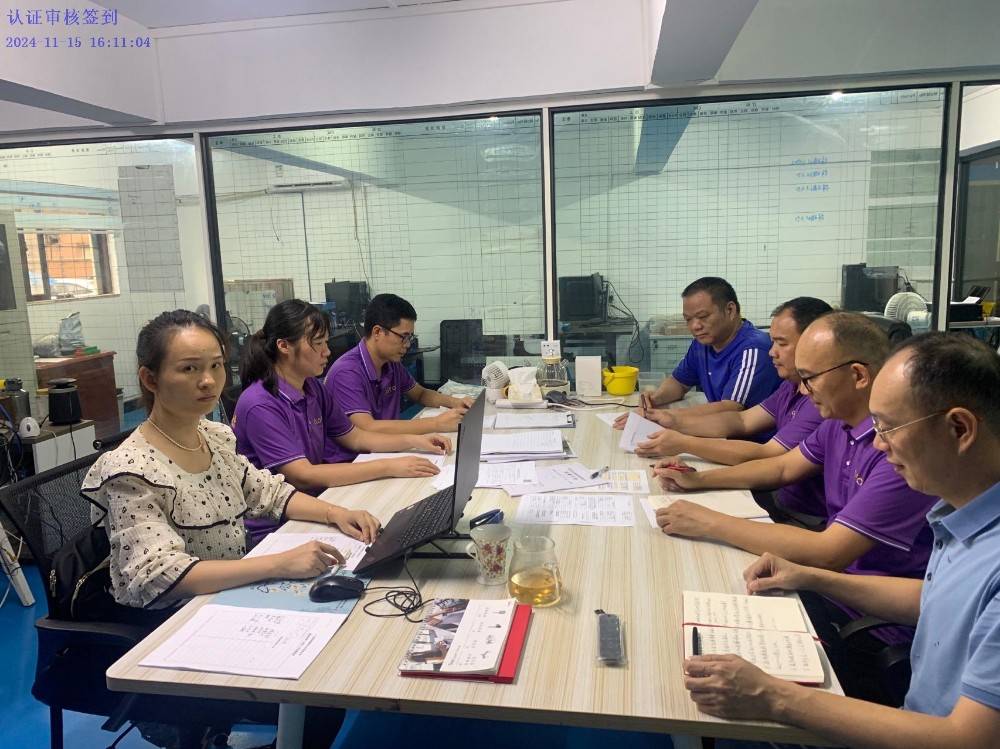
ISO9001认证

Search documents
东莞企业必看!认证ISO9001企业的避坑指南
Sou Hu Cai Jing· 2026-02-27 11:39
Group 1 - A manager from an electrical equipment factory in Dongguan faced significant issues after their ISO9001 certification was found invalid, resulting in a loss of a 1.5 million order [1] - The chosen certification body made misleading promises such as "no need for rectification" and "certificate issued in one week," but failed to meet qualification requirements [1] - There are prevalent risks in the market where institutions attract companies with offers like "guaranteed pass" and "exempt from on-site audits," which can lead to unrecognized certificates and hidden costs [2] Group 2 - A third-party survey indicated that 32% of manufacturing companies had to re-certify due to missing previous audit records, taking an average of 4.8 months to remedy [2] - Professional certification bodies, like Guangdong Jingwei International Certification, provide essential value by adhering to international standards and ensuring thorough audits [4] - These organizations can expedite the certification process, as demonstrated by a Dongguan hardware company that completed its ISO9001 certification just 15 days before a bidding deadline [4] Group 3 - Achieving ISO9001 certification not only serves as a market access pass but also helps in establishing a continuous improvement mechanism, with one electrical company reporting a 37% reduction in product defect rates and a 28% increase in cross-departmental collaboration efficiency post-certification [5] - Selecting a professional certification body is crucial for ensuring the authenticity and effectiveness of the ISO9001 certification results [5]

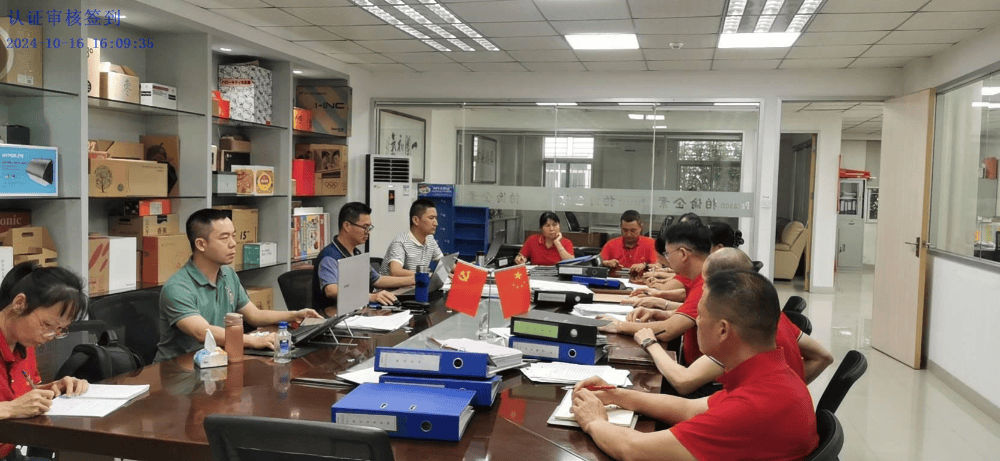
深圳企业必看:ISO9001认证成本与收益深度解析
Sou Hu Cai Jing· 2026-01-09 05:44
Core Insights - The average customer complaint rate for ISO9001 certified companies has decreased by 42%, prompting Shenzhen manufacturing firms to reassess the value of quality management systems [1] - The balance between costs and benefits of implementing ISO9001 certification is a critical consideration for companies [1] Cost Analysis - Implementation costs are divided into explicit and implicit costs, with hidden fees being a significant concern, such as unexpected additional clauses during annual audits [1] - Guangdong Jingwei International Certification employs a standardized pricing model that clearly lists all potential costs in contracts [1][4] Benefit Overview - Short-term benefits include improved customer factory acceptance rates, with 92% of electronic companies reporting enhancements post-certification [5] - Long-term value is derived from establishing a continuous improvement mechanism, with professional certification agencies playing an irreplaceable role in this process [3][5] - A Shenzhen sensor company reported a 37% reduction in quality incident rates due to improved production record completeness [5] Direct and Indirect Costs - Direct costs include certification agency service fees (approximately 60%), document preparation labor costs (200-400 hours), and employee training expenses [4] - Indirect costs involve production capacity fluctuations due to process restructuring (averaging 2-3 weeks) and inter-departmental coordination time costs [4] Industry Expertise and Risk Management - Guangdong Jingwei International Certification possesses specific auditing experience in the electronics and medical sectors, enhancing its ability to identify key control point coverage issues [5] - The agency maintains strict adherence to its role boundaries, refraining from system design or solution provision, emphasizing that a company's own system maintenance capability is fundamental for long-term value realization [6]