
Ioniq5

Search documents
How the EV pullback is affecting factories and jobs in the South
CNBC· 2026-02-01 12:00
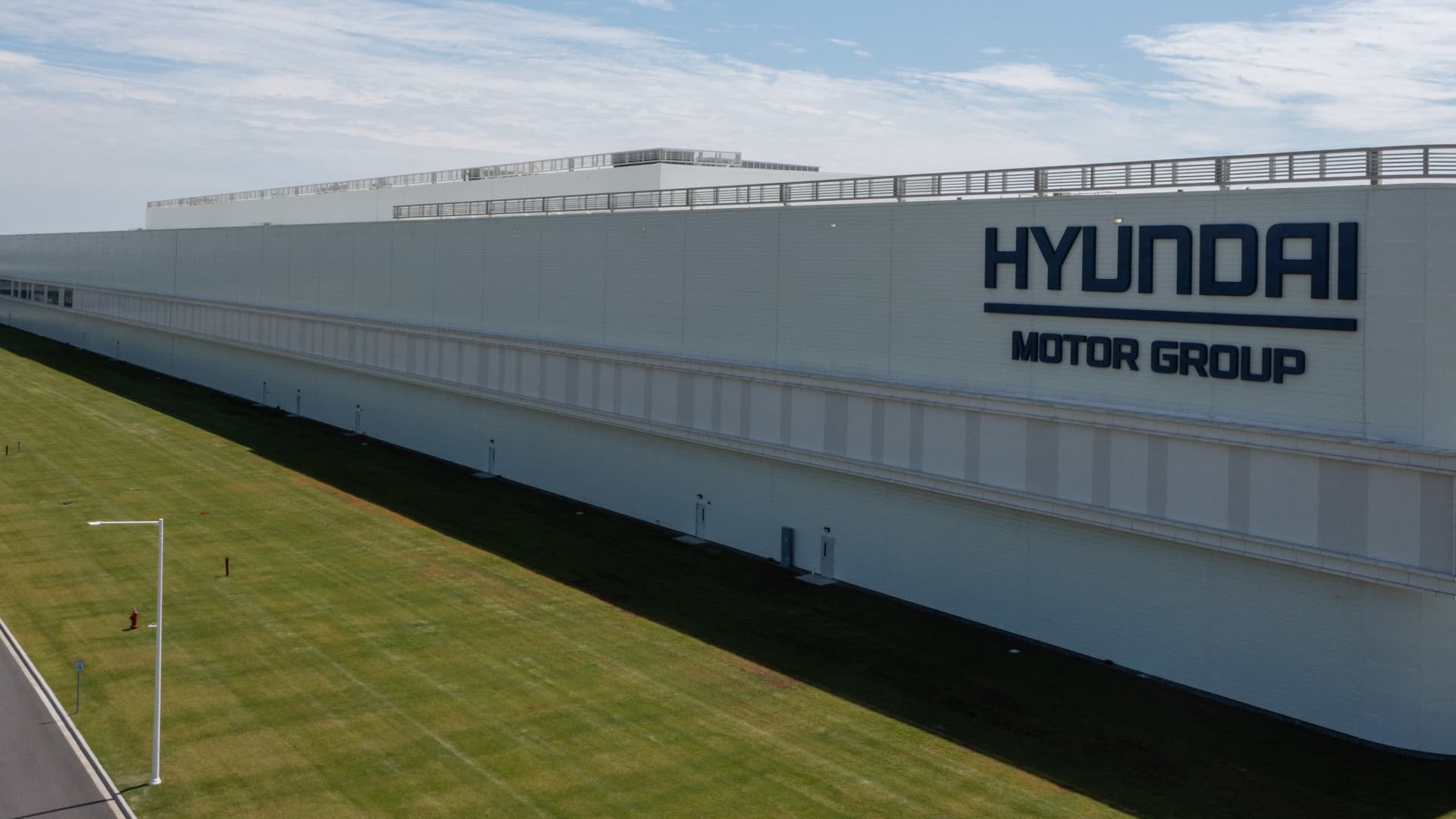
Core Insights - The majority of electric vehicle (EV) investments in the U.S. have historically favored Republican-led districts, particularly in the Southeast, raising questions about the future of these investments as the industry shifts focus away from EVs [1][2]. Investment Overview - Automakers and battery manufacturers have invested over $200 billion in EV and battery manufacturing in the U.S. from 2000 to 2024, with 84% of battery investments and 62% of EV manufacturing investments directed towards Republican-led districts [2]. - These investments were projected to create over 200,000 jobs, with 77% of these jobs located in Republican districts [2]. Regional Focus - Nearly 40% of the total investment in EVs and batteries has been allocated to the Southeastern U.S., which has been a manufacturing hub for the automotive industry for over 50 years [3]. Impact of Federal Policies - The removal of federal incentives for EVs under the Inflation Reduction Act has led to a significant decline in sales, prompting companies to pivot towards other vehicle types to mitigate losses [4][6]. Hyundai's Strategic Moves - Hyundai Motor Group, previously a leading EV seller in the U.S., has seen a 50% drop in EV sales by the fourth quarter following the end of federal incentives [6]. - The company has made a historic $12.6 billion investment in the Hyundai Metaplant in Georgia, which is expected to create approximately 8,500 jobs by 2031 [7][8]. - Hyundai plans to increase production capacity at the Metaplant by investing an additional $2.7 billion, targeting an annual output of 500,000 vehicles, with a mix of 30% EVs and 70% hybrids and gas vehicles [10]. Industry Challenges - Analysts estimate that U.S. automakers may face at least $100 billion in write-downs on EV investments, indicating that these investments may not yield the anticipated profits [11]. - Major automakers like Ford and General Motors have already announced significant financial charges related to their EV businesses, with Ford reporting a $19.5 billion charge and GM a $7.6 billion charge [12]. Market Projections - EV sales forecasts have drastically decreased from initial projections of 50% of new car sales by 2030 to a current estimate of only 17% [14][15]. - Bosch, a major automotive supplier, has had to adjust its investment strategies in light of these changing projections, moving employees from its EV motors division to other departments [16].

是“神操作”还是“小打闹”?华尔街热议特斯拉(TSLA.US)廉价版Model3/Y
Zhi Tong Cai Jing· 2025-10-09 03:45
Core Viewpoint - Tesla's recent price adjustments for the "simplified" Model 3 and Model Y have drawn attention, although the new prices still exceed the promised $30,000 threshold for the mass market, indicating increased pressure on automakers due to the expiration of electric vehicle tax credits [1][2] Group 1: Price Adjustments - The price of Model Y has been reduced by 11% to $40,000, while Model 3's price has decreased from $39,000 to $37,000 [1] - Analysts believe these pricing changes enhance the likelihood of Tesla achieving its 16% delivery growth target by 2026 [1] Group 2: Competitive Landscape - The new pricing may pressure competing models priced between $30,000 and $35,000, such as Nissan Leaf, Hyundai Ioniq 5, and Ford Mustang Mach-E [1] - Analysts emphasize that the challenge for competitors like Hyundai, Ford, and Nissan lies not in pricing but in software capabilities, as Tesla's advantages in full self-driving technology and onboard computing continue to grow [1] Group 3: Market Reactions - Some analysts view Tesla's price cuts as a necessary step to stimulate demand post-tax credit expiration, but express disappointment over the limited price reduction of only $5,000 [1][2] - Tesla's stock rose by 1.29%, with a current market capitalization of $1.46 trillion, surpassing the combined market values of Toyota, Honda, General Motors, Ford, Nissan, and Stellantis [2]
