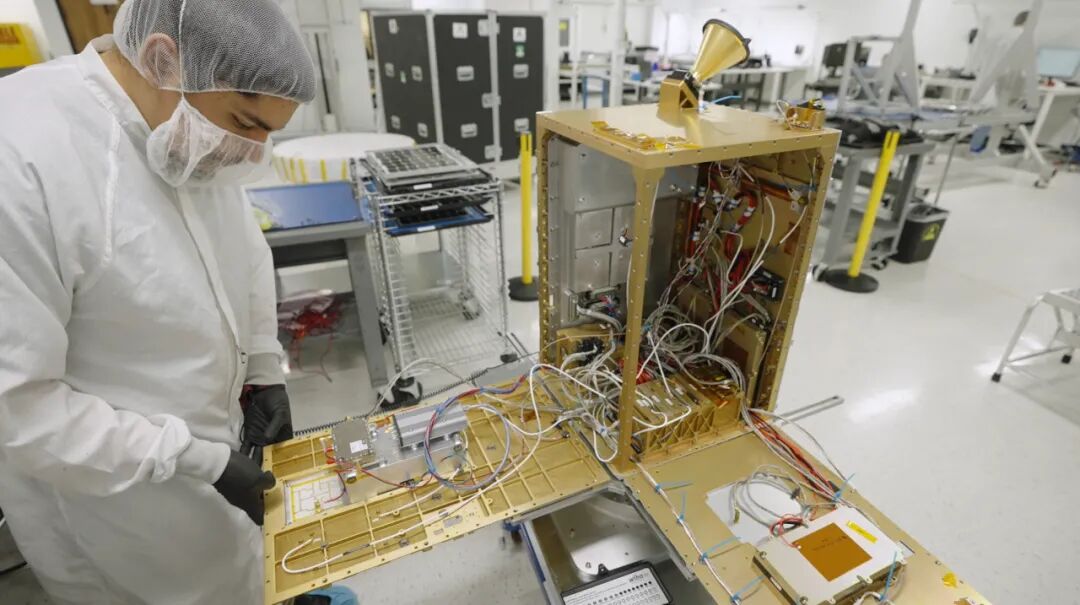
Jetson 机器学习计算板卡

Search documents
英伟达发射了首个太空AI服务器,H100已上天
3 6 Ke· 2025-11-04 03:39
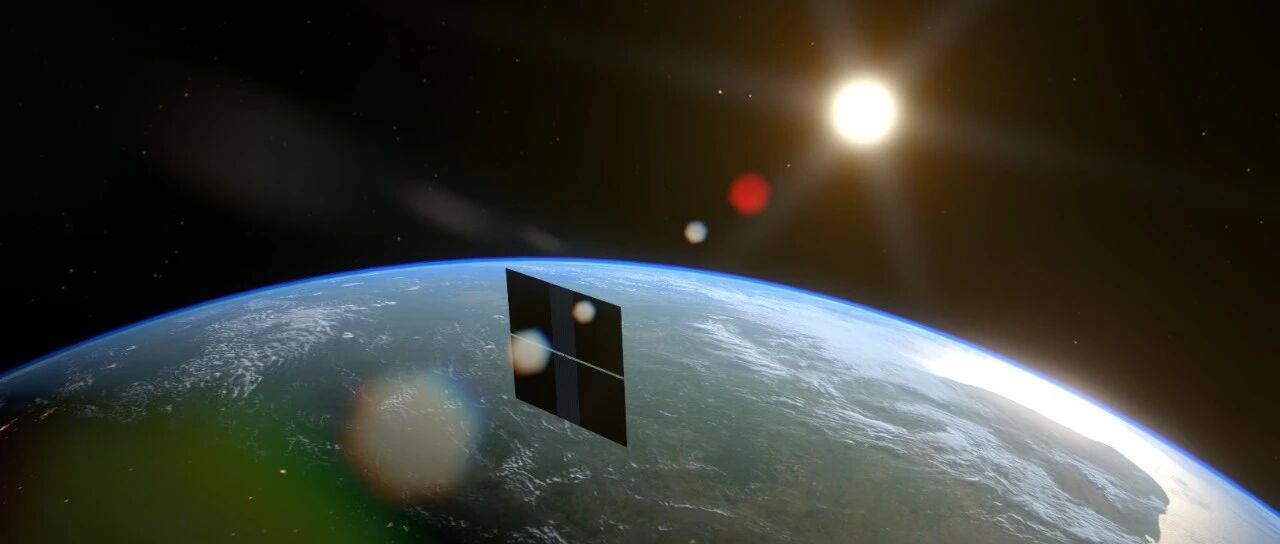
Core Insights - The launch of NVIDIA's H100 GPU into space marks a significant step towards establishing space data centers, which could drastically reduce energy costs and environmental impact compared to terrestrial data centers [2][3][6] Group 1: Space Data Center Advantages - Space data centers are projected to have energy costs only one-tenth of those on Earth, with a significant reduction in carbon emissions over their lifecycle [3][6] - The use of solar energy in space allows for continuous power generation without the need for battery storage, with solar panels in space generating eight times the energy of their Earth counterparts [7][8] - The anticipated launch costs for space data centers are expected to decrease significantly with advancements in rocket technology, potentially reaching as low as $10 to $150 per kilogram [8][10] Group 2: Technological Developments - The Starcloud-1 satellite, equipped with the H100 GPU, will process data from Earth observation satellites in real-time, significantly reducing the amount of data that needs to be transmitted back to Earth [5][10] - Starcloud plans to launch a more powerful data center, Starcloud-2, with ten times the capabilities of Starcloud-1, utilizing NVIDIA's next-generation Blackwell GPU [10][12] - The company envisions a future where nearly all new data centers will be established in space due to limitations on terrestrial energy resources [6][12] Group 3: Industry Context - Starcloud is part of a growing trend among companies exploring the potential of space-based computing, with other firms like Axiom Space and Lonestar Holdings also pursuing similar initiatives [12]


英伟达发射了首个太空AI服务器,H100已上天
机器之心· 2025-11-04 03:13
Core Viewpoint - The article discusses the potential of space-based data centers, highlighting that their energy costs could be only one-tenth of those on Earth, while also significantly reducing carbon emissions during their operational lifecycle [1][5]. Group 1: Space Data Center Development - NVIDIA's H100 GPU has been sent to space for the first time, marking a significant step in the development of space data centers [2][3]. - Starcloud's Starcloud-1 satellite will test various AI processing applications in orbit, paving the way for commercial services as early as next year [3][10]. - The satellite will operate in a low Earth orbit approximately 350 kilometers from Earth, processing data from Capella's synthetic aperture radar satellites [5][10]. Group 2: Environmental and Economic Benefits - Space data centers can utilize nearly unlimited low-cost renewable energy, reducing carbon emissions by a factor of ten compared to terrestrial data centers [5][8]. - The anticipated advancements in rocket technology, particularly from SpaceX, are expected to lower the costs of deploying large-scale computing infrastructure in space [7][8]. - Starcloud predicts that nearly all new data centers will be built in space within the next decade due to limitations on terrestrial energy resources [8]. Group 3: Data Processing Efficiency - The satellite is expected to handle 10GB of data per second, allowing for significant reductions in the amount of data that needs to be transmitted back to Earth [6][10]. - By processing data in orbit, only critical information needs to be sent back, drastically reducing the volume of data transmission [6][10]. Group 4: Future Plans and Projections - Starcloud plans to launch a more powerful data center, Starcloud-2, next year, which will utilize NVIDIA's next-generation Blackwell GPU [10]. - A larger 100kW satellite is projected to be launched by 2027, with plans for a 40MW data center in space by the early 2030s, matching the data processing costs of Earth-based centers [10].