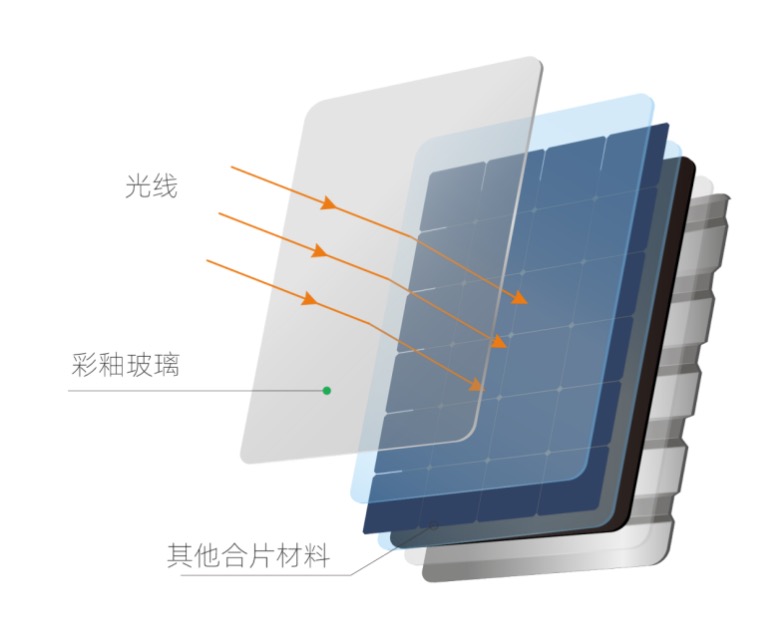
LIGHT系列产品

Search documents
国资委加力部署科技创新,多家央企明确新一轮工作重点
第一财经· 2026-02-10 00:51
Core Viewpoint - The article emphasizes the importance of integrating technological innovation with industrial innovation in state-owned enterprises (SOEs) as a key component in building a modern industrial system, driven by recent directives from the State-owned Assets Supervision and Administration Commission (SASAC) [3][4]. Group 1: Technological Innovation in SOEs - Central enterprises have invested 1.1 trillion yuan in R&D, maintaining over 1 trillion yuan for four consecutive years, and have established 23 innovation consortia with over 100 participating entities [5]. - The China State Construction Engineering Corporation has developed a photovoltaic system for the world's largest indoor snow world, capable of generating 6.3 million kWh of green electricity annually [5]. - The integration of technology in construction, such as the use of BIPV (Building Integrated Photovoltaics), showcases the high value and technological content of products in the construction industry [6]. Group 2: Policy and Strategic Directions - The SASAC has been guiding SOEs to deepen the integration of technological and industrial innovation, supporting the establishment of 97 original technology sources and promoting over 1,000 outstanding technological achievements [9]. - The focus for SOEs in 2026 includes enhancing the effectiveness of innovation mechanisms, optimizing the innovation environment, and accelerating the application of research outcomes [3][10]. - The SASAC aims to strengthen core technology breakthroughs and increase the proportion of basic research investment, emphasizing the need for a collaborative innovation system that shares risks and rewards [9][10]. Group 3: Sector-Specific Innovations - Recent innovations include the development of new coal machinery by the China North Industries Group, which fills a technological gap in the industry, and advancements in high-strength steel production by the Angang Steel Group [7]. - The article highlights the importance of adapting to different market demands for technological innovation, with a dual-track strategy for domestic and international markets [6].

国资委加力部署科技创新,多家央企明确新一轮工作重点
Di Yi Cai Jing· 2026-02-09 11:53
Core Viewpoint - The focus of the 2026 state-owned enterprise reform is to deepen the "three systems" reform, emphasizing the integration of technological innovation and industrial innovation to enhance productivity and drive economic growth [1] Group 1: Technological Innovation in State-Owned Enterprises - Central enterprises have invested 1.1 trillion yuan in R&D, maintaining over 1 trillion yuan for four consecutive years, and have established 23 innovation alliances with over 100 participants [2] - The China State Construction Engineering Corporation has developed a roof system for the Shenzhen Qianhai Ice and Snow World that can withstand typhoons and generate 6.3 million kWh of green electricity annually [2] - The roof features a photovoltaic system with an area of approximately 35,000 square meters, achieving a conversion efficiency of 20% [2] Group 2: Integration of Innovation and Industry - The State-owned Assets Supervision and Administration Commission (SASAC) emphasizes the deep integration of technological and industrial innovation, aiming to reshape the industrial chain through technological advancements [1][6] - SASAC supports the establishment of 97 original technology sources and has facilitated the promotion of over 1,000 outstanding technological achievements across more than 6,000 enterprises [6][7] - The focus for this year includes increasing high-quality technological supply, enhancing efficient results transformation, and building a high-level innovation ecosystem [6][7] Group 3: Strategic Development and Policy Support - Central enterprises are encouraged to strengthen their role in innovation, with a focus on key core technology breakthroughs and increasing the proportion of basic research investment [7] - The annual meetings of various central enterprises have led to new deployments for technological and industrial innovation, with a focus on optimizing innovation layouts and integrating AI with traditional energy sectors [8] - The importance of state-owned enterprises as a crucial part of the national strategic technological force is highlighted, with calls for improved policies and incentives to support original technology development [8]
双碳目标下BIPV产业突围 建筑与能源融合催生新生态
Zhong Guo Neng Yuan Wang· 2026-01-23 12:31
Core Viewpoint - The exploration of China State Construction Engineering Corporation (CSCEC) in the Guangdong-Hong Kong-Macao Greater Bay Area exemplifies the integration of building and photovoltaic (BIPV) technology, driving a green revolution in the traditional construction industry and showcasing how state-owned enterprises can lead high-quality development through technological innovation [1][10]. Group 1: Technological Breakthroughs - The Shenzhen Qianhai Ice and Snow World features a 35,000 square meter facade system equipped with CSCEC's LIGHT series products, transforming the building from an energy consumer to a producer [2]. - The integration of photovoltaic technology into the building's design addresses aesthetic and structural challenges, achieving a balance between aesthetics, safety, and energy production [2]. - Innovations include the use of a 0.7mm stainless steel corrugated structure to withstand typhoon conditions while keeping the photovoltaic product weight within roof load limits, demonstrating a commitment to safety and efficiency [4]. Group 2: Industrial Innovation - The Zhuhai base showcases automated production lines and intelligent systems, enhancing production efficiency and transitioning from a single engineering contractor to a technology-driven, service-oriented enterprise [5]. - The current photovoltaic component conversion efficiency has reached 24%, with potential advancements in perovskite solar cells suggesting future efficiencies could exceed 32%, making facade-mounted photovoltaic systems financially viable [5]. Group 3: Business Model Innovation - CSCEC has introduced an "investment + profit-sharing" model for retrofitting old buildings, allowing the company to fully fund energy-efficient upgrades and share savings with property owners [6]. - The "zero down payment for old-for-new" model addresses market needs amid financial constraints, while expanding into energy services through BIPV [6]. Group 4: Ecological Construction - CSCEC is actively involved in setting local BIPV standards in cities like Shenzhen and Shanghai, aiming to align the 50-year lifespan of buildings with the 20-30 year operational cycle of photovoltaic systems [7][8]. - The company emphasizes the importance of stringent local standards to drive the industry towards high-quality development [8]. Group 5: Practical Empowerment - CSCEC's practices provide a valuable model for traditional industries undergoing transformation, highlighting the role of state-owned enterprises in driving systemic innovation [9]. - The integration of technology into engineering and manufacturing systems demonstrates the potential for state-owned enterprises to support the application of new technologies [9][10].