LabBot

Search documents
抗癌药们的研发,终于摁下加速键
Hu Xiu· 2025-08-02 01:46
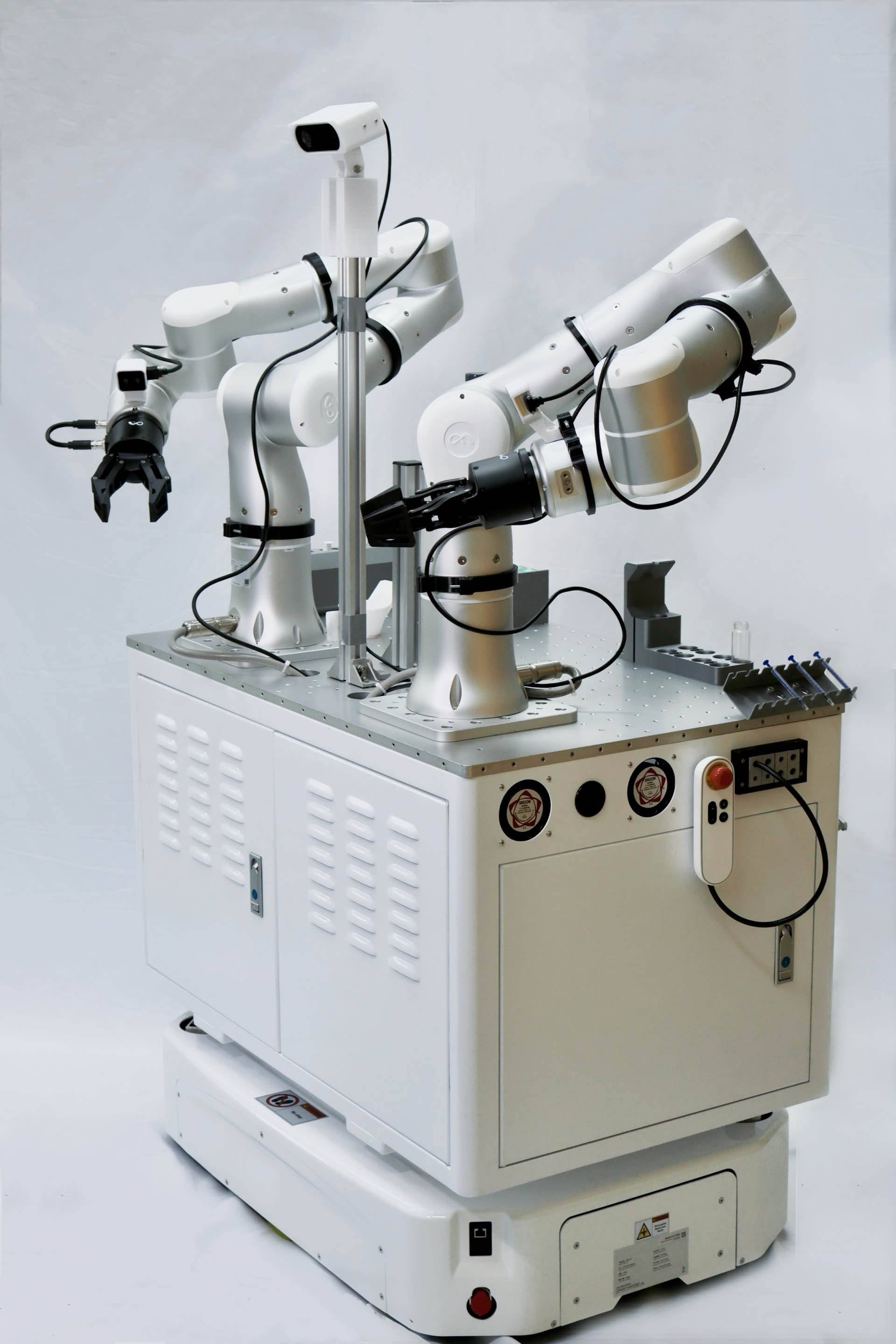
Core Viewpoint - The emergence of generative AI models is fundamentally transforming the drug development process, significantly accelerating the timeline for combating diseases like cancer and Alzheimer's [5][7]. Group 1: AI's Impact on Drug Development - Generative AI is expected to shorten the drug development cycle by 30%-50%, enhancing efficiency in various stages such as compound screening and clinical trial design [7]. - In the past month, nearly $10 billion in capital has flowed into the AI pharmaceutical sector, with major pharmaceutical companies forming over 20 significant partnerships with AI firms [5][6]. - A report by Evaluate Pharma predicts that the global prescription drug market will reach $1.756 trillion by 2030, with AI in drug development becoming a core growth engine [6]. Group 2: Company Insights - C12, founded by Chen Zhigang in 2022, focuses on developing a general-purpose robot for laboratory settings, initially targeting drug development and later expanding to new materials and chemicals [3][4]. - The company aims to address the efficiency bottlenecks in laboratory workflows, particularly in the purification stage, which is critical for clients [4][12]. - Chen Zhigang emphasizes that the company's decisions are driven by customer feedback, leading to a focus on automating labor-intensive tasks in the lab [4][11]. Group 3: Market Dynamics and Competition - C12 differentiates itself from competitors like JingTai and Insilico Medicine by focusing on the wet lab verification stage after AI has designed potential drug molecules [16][17]. - The traditional drug development process is lengthy and risky, with a success rate of less than 10%, but AI technologies are injecting new possibilities into this process [7][8]. - The company is exploring applications beyond pharmaceuticals, including new materials and chemical processes, indicating a broader market potential [38][50]. Group 4: Future Directions and Challenges - Chen Zhigang plans to refine the product and operations before seeking Series A funding, ensuring that clients perceive real value [11][69]. - The company is currently expanding its research team to meet increasing demand and is focused on understanding and addressing client needs [62][70]. - Future challenges include scaling operations and addressing new issues that arise as robots become more integrated into laboratory workflows [70][71].