Lightwear

Search documents
种子轮融近3亿!小米89号员工,给耳机装上了摄像头
创业邦· 2026-03-05 00:09
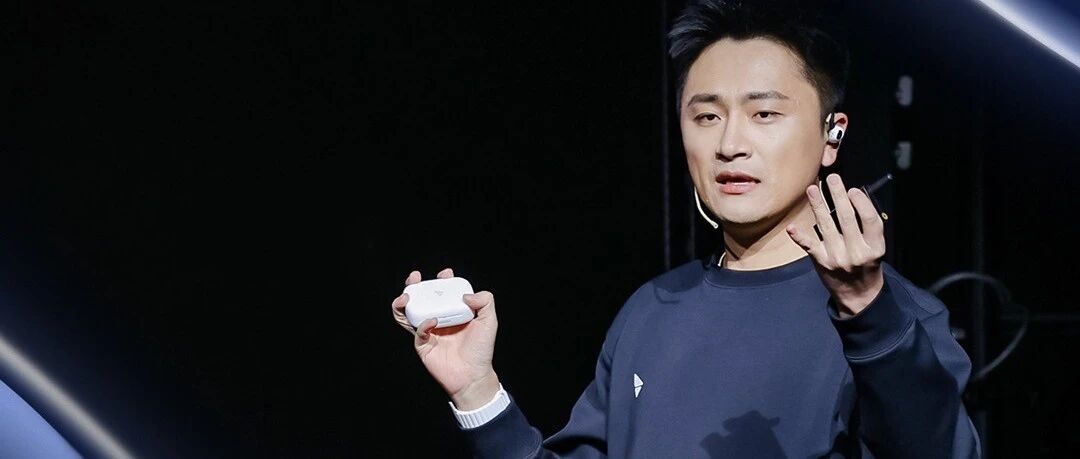
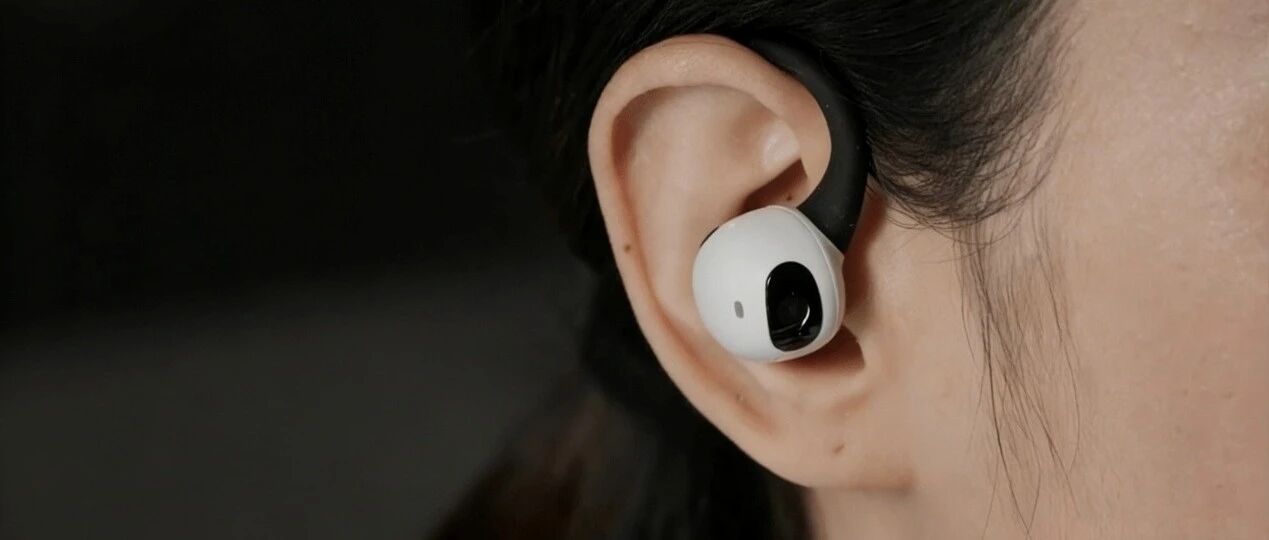
Core Viewpoint - The article discusses the emergence of AI hardware, particularly focusing on the innovative approach of Guangfan Technology, which aims to redefine user interaction through a multi-device AI ecosystem that includes AI headphones, smartwatches, and charging cases [2][11][38]. Group 1: Company Overview - Guangfan Technology completed a significant financing round, raising nearly 300 million RMB in seed funding, led by Lenovo Capital and Starry Sky Capital, with participation from various notable investors [2]. - The founder, Dong Hongguang, previously worked at Xiaomi and has extensive experience in operating systems and hardware integration, which positions him uniquely in the AI hardware landscape [9][10]. Group 2: Product Innovation - Guangfan's flagship product, Lightwear, is a combination of AI headphones, a smartwatch, and a charging case, designed to enhance user interaction by integrating AI capabilities into everyday tasks [11][13]. - The headphones feature a lightweight design with a dual-camera system for AI visual perception, while the smartwatch provides display and interaction capabilities, creating a distributed interaction model [13][14]. Group 3: Market Context - The AI hardware sector is experiencing a significant boom, with various companies exploring different approaches, such as Alibaba's AI glasses and Looki's recording devices, indicating a competitive landscape [24][27][29]. - The article highlights the importance of user experience and the need for devices that can seamlessly integrate into daily life, addressing the limitations of traditional smartphones [22][24]. Group 4: Future Outlook - Guangfan Technology aims to create a universal AI assistant platform that can adapt to various user needs, moving beyond specialized hardware to a more integrated solution [37][38]. - The company is preparing for the launch of its products in early 2026, with a focus on user acceptance and gradual market penetration, similar to the early days of the iPhone [41].

独家丨光帆和他的「七龙珠」——光帆科技获联想、小鹏汽车新一轮投资
雷峰网· 2026-03-04 03:05
Group 1 - The core viewpoint of the article emphasizes the significant investment and development in AI wearable hardware, particularly by major tech companies, with a focus on Lightwear, a product by Guangfan Technology, which has successfully launched the world's first AI headphones with camera capabilities [2][4]. - Guangfan Technology has completed four rounds of financing within a year, raising nearly 300 million RMB, with funds aimed at advancing AI wearable hardware and related operating systems [2][3]. - The company has attracted notable investors including Lenovo and Xiaopeng Motors, showcasing a strong backing from industry giants, which helps establish a competitive edge in the AI hardware market [3][4]. Group 2 - Guangfan Technology's strategic advantage lies in its strong team, which includes members from Xiaomi and other leading tech firms, enabling a comprehensive approach to hardware and software integration [6][7]. - The Lightwear device is designed to be lightweight and independent from smartphones, addressing common pain points in wearable technology by offering a user-centric experience [9][10]. - The device features advanced capabilities such as dual-camera visual perception and a proprietary operating system, achieving significant battery life and performance metrics, which positions it as a potential game-changer in the wearable market [10][12]. Group 3 - The article discusses the shift in the wearable device landscape, moving from traditional smartphone-dependent designs to independent AI assistants, highlighting the importance of user experience and operational efficiency [15][16]. - Guangfan Technology's approach emphasizes a collaborative ecosystem that integrates various applications and services, enhancing the functionality and appeal of its AI wearable products [13][18]. - The future of AI wearable devices is expected to focus on lightweight, user-intent-driven designs supported by robust cloud AI and application ecosystems, marking a significant evolution in the industry [17][18].
AI 硬件的上半场:失败、共识与进行中的探索
芯世相· 2026-02-26 07:06
Core Viewpoint - The article discusses the evolution of the AI hardware market in China, highlighting the shift from being a follower in global consumer electronics to taking a proactive role in defining future AI hardware products. This transformation is driven by the collaboration between model vendors and traditional hardware manufacturers, as well as elite entrepreneurs with backgrounds in large companies seeking to create native AI hardware solutions [6][20]. Group 1: Market Dynamics - Historically, Chinese companies have played a "follower" role in global consumer electronics, waiting for demand validation before leveraging manufacturing capabilities [6]. - The emergence of DJI has demonstrated that Chinese engineers can lead in new categories by solving novel problems, marking a shift in confidence and capability in AI hardware [6]. - The AI hardware market in China has seen a surge of interest, with two main forces shaping it: alliances between model vendors and traditional hardware, and elite entrepreneurs aiming to create original AI hardware [6][8]. Group 2: Initial Drivers - The initial push in the AI hardware sector was sparked by model vendors seeking commercialization pathways, particularly ByteDance, which catalyzed interest in integrating AI with hardware [8]. - By the end of 2024, ByteDance's model token costs dropped significantly, leading to collaborations with chip manufacturers and hardware solution providers to explore AI integration [8][12]. - The first product to gain traction was an AI toy, which was chosen due to its lower technical requirements and existing market validation [9][12]. Group 3: Market Challenges - Despite initial excitement, the AI toy market faced rapid decline after a peak during the 618 shopping festival, revealing high return rates and low consumer interest beyond initial novelty [14]. - The average usage time for AI toys was found to be less than two months, indicating a lack of sustained demand [14]. - The market quickly became saturated, leading to intense competition and diminishing returns for many companies involved [14][16]. Group 4: Investment Trends - A significant shift occurred in 2025, with investors increasingly favoring AI hardware startups over traditional software projects, driven by the perceived potential for quicker commercialization [20][22]. - Notable investments included Looki and Odyss, which attracted significant funding as investor interest in hardware surged [22][24]. - The consensus among investors is that AI hardware can provide more contextual data in the physical world compared to purely software solutions, leading to a renewed focus on hardware investments [24]. Group 5: Entrepreneurial Exploration - Entrepreneurs in the AI hardware space are divided on whether to focus on AI as a physical carrier or to create smarter consumer hardware with AI capabilities [26]. - Companies like Looki and Lightwear are exploring diverse applications of AI, while others like Odyss focus on specific, practical problems to justify consumer purchases [26][28]. - The challenge remains for these products to establish clear value propositions to consumers, as many current offerings lack compelling reasons for purchase [27][31].



AI 硬件的上半场:失败、共识与进行中的探索
晚点LatePost· 2026-02-14 03:15
Core Viewpoint - The article discusses the evolving landscape of AI hardware in China, highlighting a shift from being followers in the global consumer electronics market to becoming proactive leaders in defining the future of AI hardware. This transformation is driven by a combination of traditional hardware manufacturers and elite entrepreneurs leveraging AI technology to create innovative products [5][6]. Group 1: Market Dynamics - The AI hardware market in China is currently shaped by two distinct forces: traditional hardware manufacturers collaborating with model companies to enhance existing products, and elite entrepreneurs aiming to create native AI hardware solutions [5][6]. - The initial push in the AI hardware sector was ignited by major model companies, particularly ByteDance, which sought commercial pathways for AI integration into hardware [7][10]. - By the end of 2024, the cost of tokens for AI models significantly decreased, fostering collaboration among ByteDance, chip manufacturers, and hardware solution providers to explore AI applications in traditional products [7][10]. Group 2: Product Development and Challenges - AI toys emerged as a primary product for demonstrating AI hardware capabilities, with ByteDance launching an AI toy that gained popularity in the second-hand market [10][12]. - Despite initial excitement, the market for AI toys faced challenges, including high return rates and limited consumer interest beyond initial novelty, leading to a rapid decline in demand [12][13]. - The AI toy market's failure highlighted the need for products that resonate with parents and address genuine consumer needs, prompting a shift towards educational and practical applications [13][14]. Group 3: Investment Trends - There is a growing consensus among investors to focus on AI hardware that is not merely an enhancement of traditional products but rather offers innovative, AI-native solutions [18][22]. - Investment interest in AI hardware surged in 2025, with many startups successfully securing funding as the market recognized the potential for hardware to complement AI capabilities [19][22]. - Major investment firms, including Sequoia and Linear Capital, have increased their focus on AI hardware, reflecting a broader industry shift towards recognizing the importance of hardware in the AI ecosystem [22][24]. Group 4: Entrepreneurial Approaches - Entrepreneurs in the AI hardware space are exploring diverse strategies, with some focusing on creating highly specialized products that address specific consumer needs, while others aim for broader, multifunctional devices [25][27]. - The success of AI hardware products often hinges on their ability to provide clear, immediate value to consumers, as seen in the development of products like AI health trackers and educational tools [26][27]. - The article emphasizes the importance of building consumer trust and emotional connections with AI hardware, suggesting that products should not only be functional but also resonate on a personal level with users [27][30].

“只有通用硬件能存活”,光帆科技董红光聊 AI 硬件和 AI 操作系统丨100 个 AI 创业者
晚点LatePost· 2025-12-31 08:04
Core Viewpoint - AI hardware is expected to be one of the hottest trends by 2025, with various companies exploring different approaches to define the future of AI hardware [4][24]. Group 1: Company Insights - Lightwear, founded by Dong Hongguang, offers a unique combination of products including headphones, a computing earphone case, and a smartwatch, all integrated with an independent operating system [6][10]. - The product aims to provide a seamless user experience by enabling multi-device collaboration and offering services such as shopping and ride-hailing through voice interaction [6][10]. - Dong Hongguang emphasizes that the choice of headphones over glasses is due to user acceptance and practicality, as headphones are easier to adopt and use in various scenarios [8][9]. Group 2: Market Trends - The article discusses the dichotomy in AI hardware, distinguishing between specialized hardware for specific tasks and general-purpose hardware that can adapt to various applications [24][22]. - It is suggested that while specialized hardware is necessary in the short term, general-purpose hardware will likely dominate in the long run, similar to the evolution seen with smartphones [24][25]. - The current landscape of AI hardware is characterized by intense competition, but it is expected that over time, a more defined market structure will emerge as companies find their niches [16][24]. Group 3: Technology and Development - Lightwear's operating system is designed to facilitate voice and visual interactions, focusing on task-oriented applications rather than traditional app interfaces [15][17]. - The integration of cloud and edge computing is highlighted as a critical aspect of their technology, allowing for efficient task execution while managing hardware resources effectively [18][20]. - Dong Hongguang notes that the future of wearable devices will likely involve a variety of form factors, with sensors and functionalities distributed across different devices to enhance user experience [13][10]. Group 4: User Experience and Market Adoption - The company aims to address specific user needs in scenarios where accessing a smartphone is inconvenient, such as driving or cooking, thereby creating a complementary relationship with smartphones [11][12]. - There is a recognition that consumer acceptance of AI hardware is still developing, with parallels drawn to the early days of smartphones when users were hesitant to adopt new technology [28][24]. - The article concludes that the evolution of AI hardware will depend on the maturation of AI capabilities, cost reductions, and improved consumer understanding of the technology's benefits [28][24].