Live Photo

Search documents
手机或Pocket?想要生活「电影化」,你更信谁?
后浪研究所· 2026-01-29 11:41
Core Viewpoint - The article highlights the evolving photography needs of young people, emphasizing their shift from mobile phone photography to dedicated imaging devices like the DJI Pocket 3, driven by a desire for higher quality and more creative expression in capturing life moments [1][28][60]. Group 1: Young People's Photography Trends - A survey conducted by "Post-Wave Research Institute" revealed that 90% of respondents aged 18-35 are increasingly turning to independent imaging devices to enhance their recording quality, with the DJI Pocket 3 being a popular choice [1][28]. - The survey categorized young people's photography into levels, with 30.1% identifying as "atmosphere seekers" who prioritize light, composition, and overall ambiance in their photos [10][11]. - The demand for high-quality imagery is evident, as many young people feel that mobile phones fail to capture the essence of their experiences, leading to frustration and missed moments [4][25]. Group 2: Photography Preferences and Pain Points - Young people prefer to capture natural landscapes, travel experiences, and everyday life, with 86.9% wanting to document nature and cityscapes, and 75.1% focusing on travel [15][14]. - The top pain points in mobile photography include poor low-light performance and the hassle of organizing photos, with 52.8% of respondents citing these issues [26][25]. - The need for a dedicated device arises from the limitations of smartphones, as nearly half of the surveyed individuals already own separate imaging equipment, indicating a growing trend towards specialized tools for capturing life [28][57]. Group 3: Features and Appeal of DJI Pocket 3 - The DJI Pocket 3 is favored for its portability (72.5%), physical stabilization (62.9%), and superior image quality (42.8%), making it an attractive option for young creators [53][57]. - The device's ability to produce high-quality images without relying on complex algorithms is a significant advantage, allowing users to capture moments more authentically [53][63]. - The Pocket 3's design and functionality cater to the emotional and creative needs of users, transforming everyday moments into cinematic experiences, thus enhancing the overall value of life documentation [64][65].


手机影像狂卷2025:告别参数焦虑,开始“反向指导”相机了
3 6 Ke· 2025-12-15 10:16
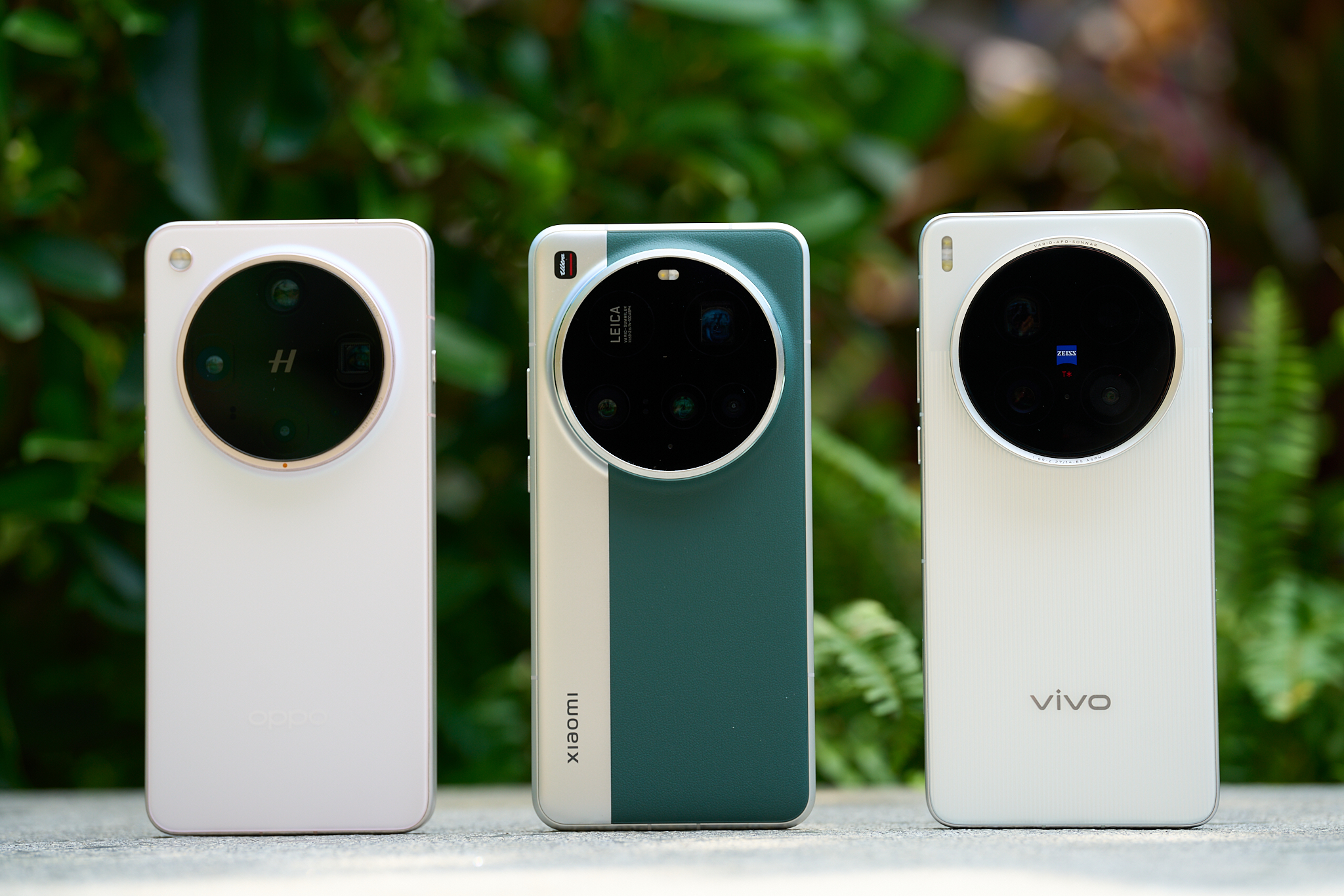
Core Insights - The mobile imaging landscape has shifted dramatically in the past year, moving away from hardware-centric advancements to a focus on algorithms and AI capabilities [1][23][32] - The trend indicates a departure from the obsession with large sensors, with manufacturers prioritizing overall system balance and user experience [2][4][7][32] Hardware Developments - The era of one-inch sensors is declining, with only a few models like Xiaomi 15 Ultra and OPPO Find X8 Ultra remaining on the market, primarily aimed at niche enthusiasts rather than mass consumers [2][4] - New flagship models are adopting smaller sensors, such as the 1/1.28-inch LYT-828, to enhance overall performance and user experience while maintaining a balance between size and functionality [4][5][32] AI and Algorithm Integration - Advancements in AI technology are narrowing the performance gaps in dynamic range, night scenes, and noise reduction, leading manufacturers to allocate resources towards enhancing long-focus capabilities and overall imaging experience [5][23] - Live Photo has evolved into a standard recording format, integrating seamlessly into the AI imaging workflow, allowing for dynamic content creation without the need for manual switching between photo and video modes [8][12][14] Color and Image Quality - The introduction of multi-spectral imaging and original color lenses by brands like Huawei, vivo, and OPPO aims to achieve consistent color reproduction across different lighting conditions, enhancing the overall image quality [18][32] - The focus has shifted from merely achieving high pixel counts to ensuring that images are visually appealing and consistent across various lenses [18][32] User Experience and Accessibility - The mobile imaging experience is increasingly designed for ease of use, allowing users to capture and share images without needing extensive knowledge of photography [27][29][32] - AI functionalities are being integrated into the camera systems to assist users in achieving better results, making advanced photography techniques more accessible to the average consumer [29][32] Future Directions - The industry is expected to continue refining hardware while enhancing software algorithms and AI capabilities, focusing on natural and unified image outputs [31][32] - The competition will shift from hardware specifications to the overall user experience, emphasizing reliability and ease of use in capturing and sharing images [32][33]