
AI影像

Search documents
营收13.47亿!万东医疗发布2025年报
思宇MedTech· 2026-03-27 07:20
Core Viewpoint - The company reported a decline in revenue and an increase in expenses in its 2025 annual report, while continuing to focus on product iteration and technological upgrades in its imaging equipment business, as well as expanding into AI imaging, grassroots markets, and overseas markets [2][19]. Financial Performance - The company achieved operating revenue of 1.347 billion yuan in 2025, down 11.64% from 1.524 billion yuan in 2024 [6]. - Total operating costs for the year were 1.634 billion yuan, with significant increases in management and R&D expenses [3][5]. - Other income was approximately 51.98 million yuan, and investment income was about 511 thousand yuan [4]. - Sales expenses amounted to 277 million yuan, management expenses were 129 million yuan, and R&D expenses totaled 263 million yuan [5]. Product and Technology - The company has developed a multi-product matrix around imaging equipment, including MRI, CT, DR, and DSA [7]. - The third-generation helium-free superconducting MRI system was launched, entering nearly 20 countries [8]. - The CT product line was enhanced with the introduction of the TurboTom series, including TurboTom 5 PRO and TurboTom 1S, and the registration of TurboTom 9 PRO [9]. - Scanning speed improved by approximately four times, and image signal-to-noise ratio increased by about 30% [10]. - AI workflows were integrated into product functions to optimize processes from positioning and scanning to auxiliary diagnosis [11]. - The DR products incorporated multiple AI features aimed at reducing operational barriers and enhancing diagnostic efficiency for grassroots doctors [12]. R&D, Business, and Market - R&D investment for 2025 was 263 million yuan, focusing on core products like CT, DSA, DR/DRF, and MRI [17]. - The company is advancing overall solutions alongside equipment sales, including one-stop intervention solutions and county-level medical capacity enhancement [17]. - The service network covers all 31 provincial-level administrative regions in China, with six regional service centers and 80 authorized service providers, achieving approximately 90% coverage in county-level and above areas [17]. - In the grassroots market, projects have reached 22 provinces and over 120 counties, with more than 100,000 surgeries completed [18]. - The company's products have entered over 110 countries and regions, establishing localized operations in nearly 20 countries, with new market entries in Thailand, Indonesia, the Philippines, India, Mexico, and Argentina [18].



美图公司接入OpenClaw龙虾生态,开放全场景AI影像服务
Zhong Guo Jin Rong Xin Xi Wang· 2026-03-24 22:54
Core Viewpoint - Meitu has launched the new Meitu CLI tool, integrating AI imaging capabilities for global users, enhancing efficiency in personal and commercial creative scenarios [1][2] Group 1: Product Launch and Features - The Meitu CLI tool allows users to access eight AI imaging capabilities, including video action transfer, image editing, image generation/design, high-definition image processing, AI dressing, image-to-video conversion, intelligent resizing, and smart cutout [1] - The tool is designed to cater to various digital creation needs for local cross-border e-commerce, cultural creativity, and foreign trade enterprises in Fujian [1] Group 2: User Accessibility and Integration - OpenClaw users can easily install and utilize Meitu AI Skills through the Meitu CLI, which streamlines the process for both individual creators and businesses [1] - The integration with WeChat's official lobster plugin allows users to access Meitu AI Skills directly via WeChat, enhancing user convenience [1] Group 3: Business Model and Future Plans - Meitu CLI employs a lightweight resource package with a usage limit billing model, charging based on successful outcomes to reduce developers' trial and error costs [2] - The company aims to expand AI imaging application scenarios and strengthen the advantages of local AI enterprises in Xiamen, contributing to the development of Fujian's digital economy [2]
160亿!GE医疗又一重磅收购
思宇MedTech· 2026-03-21 03:10
Core Viewpoint - The acquisition of Intelerad by GE Healthcare for $2.3 billion signals a strategic shift in the imaging industry from "device performance" to "data and platform capabilities" [2][3][8] Group 1: Acquisition Details - GE Healthcare completed the acquisition of Intelerad on March 18, 2026, for $2.3 billion (approximately 16 billion RMB) [2] - Intelerad is an imaging IT company specializing in PACS (Picture Archiving and Communication System), workflow management systems, and cloud solutions for radiology and cardiology [5][6] - This acquisition is not merely a horizontal expansion but a vertical integration from hardware to platform [8] Group 2: Industry Trends - The shift in the imaging industry has been ongoing, with this acquisition further highlighting the trend [3] - The strategic value of imaging IT, particularly PACS and VNA (Vendor Neutral Archive), is being reassessed due to three key changes: 1. Imaging data is becoming the entry point for AI, with PACS systems controlling data access [9] 2. Medical scenarios are shifting from in-hospital to out-of-hospital settings, where cloud imaging platforms have advantages [10] 3. The business model is transitioning from one-time sales to subscription-based revenue, emphasizing recurring income [11] Group 3: Implications for the Chinese Market - Despite structural differences, the acquisition has clear implications for the Chinese imaging market [15] - Domestic imaging manufacturers are revealing shortcomings in platform capabilities, relying on third-party IT vendors [16] - The strategic position of PACS vendors is rising, as their value is changing with the advancement of AI and cloud technology [19] - The out-of-hospital imaging market may become a new variable for growth, especially if policies and payment systems evolve [20] Group 4: Conclusion on Industry Competition - The competitive landscape of the imaging industry is shifting from equipment specifications to operating a data and AI-driven platform [21][22] - The transformation from "system supplier" to "data entry controller" is underway, with a move from project-based models to platform subscription models [23] - The emergence of chain imaging centers and increased demand for grassroots medical imaging are indicative of this shift [24]

AI时代,影像能算现实记录吗
Ke Ji Ri Bao· 2026-02-28 01:21
Core Viewpoint - The evolution of smartphone cameras has transformed them from simple optical devices into complex computational systems that utilize algorithms and AI to enhance and reconstruct images, raising questions about the authenticity of captured memories [1][2][3]. Group 1: Technological Advancements - The controversy surrounding Samsung's "moon photo" highlighted how smartphones can enhance details that are not present in the original image, leading to debates about whether these images represent reality or a reconstruction of it [2]. - Many smartphones now employ scene recognition to process different elements like sky, people, or buildings, resulting in varied visual outcomes based on the manufacturer's algorithm choices [2][3]. - The development of generative AI has blurred the lines between capturing, editing, and generating images, allowing for automatic enhancements and modifications [3]. Group 2: Psychological and Social Implications - Research from MIT Media Lab indicates that viewing AI-generated or heavily processed images can lead to the formation of false memories, as people may remember details that did not actually occur [4]. - Long-term exposure to algorithmically altered images can exacerbate appearance-related anxieties, potentially contributing to psychological issues such as body dysmorphic disorder [5]. - The prevalence of AI-enhanced images may distort individuals' self-perception and aesthetic standards, as seen in Google's decision to disable beauty filters by default due to negative impacts on users' self-image [4][5]. Group 3: Artistic and Cultural Reflections - The integration of AI in photography has prompted some enthusiasts to preserve "original images" to better understand the extent of algorithmic alterations, highlighting the impact of technology on visual perception [7]. - At the 2025 Arles International Photography Festival, photographers showcased comparisons between AI-optimized and unprocessed images, prompting discussions about the nature of reality in the age of algorithm-dominated visuals [8]. - The ongoing reliance on optimization features in photography raises the need for moments of capturing unaltered images to maintain a genuine connection to reality [8].
美图启动规模性回购:两轮斥资3252万港元 回购527.4万股
Xin Lang Cai Jing· 2026-02-20 11:14
Core Viewpoint - Meitu has initiated a significant stock buyback program, reflecting the company's confidence in its business prospects and long-term development [1][2]. Stock Buyback Details - On February 20, Meitu repurchased 2.057 million shares at a price range of HKD 6.04 to HKD 6.10, totaling approximately HKD 12.508 million [1][2]. - This marks the second stock buyback in February, following a previous buyback on February 16, where Meitu spent HKD 20.015 million to repurchase 3.217 million shares at an average price of HKD 6.222 [1][2]. - Since the start of the buyback program, Meitu has repurchased a total of 5.274 million shares for over HKD 32.52 million, the first large-scale buyback since 2020 [1][2]. Financial Outlook - Meitu is set to release its full-year results for 2025 on March 27, with an expected adjusted net profit growth of approximately 60% to 66% year-on-year [1][2]. Product Development and Market Expansion - Goldman Sachs notes that Meitu's products are evolving from beauty tools to AI image and video generation and editing applications, expanding from the consumer entertainment sector to productivity [1][2]. - The firm expresses optimism about the high revenue potential in the AI imaging sector and Meitu's competitive advantage in meeting user needs in specific scenarios [1][2].
美图公司再回购205.7万股,本轮回购金额超1250万港元
Ge Long Hui· 2026-02-20 11:12
Core Viewpoint - Meitu Company (1357.HK) has initiated a significant stock buyback program, reflecting confidence in its business outlook and long-term development [1] Group 1: Stock Buyback Details - On February 20, 2026, Meitu repurchased 2.057 million shares at a price range of HKD 6.04 to HKD 6.10, totaling HKD 12.50847 million [1] - This was the second stock buyback in February, with a prior repurchase on February 16 costing HKD 20.0151 million for 3.217 million shares at an average price of HKD 6.222 [1] - Since 2020, this marks Meitu's first large-scale buyback, with a total of 5.274 million shares repurchased for over HKD 32.52 million [1] Group 2: Financial Performance Expectations - Meitu is set to release its full-year results for 2025 on March 27, with an expected adjusted net profit growth of approximately 60% to 66% year-on-year [1] Group 3: Product and Market Development - Goldman Sachs notes that Meitu's products are evolving from beauty tools to AI image and video generation and editing applications, expanding from consumer entertainment to productivity sectors [1] - The firm sees high revenue potential in the AI imaging field and recognizes Meitu's competitive advantage in meeting user needs in specific scenarios [1]
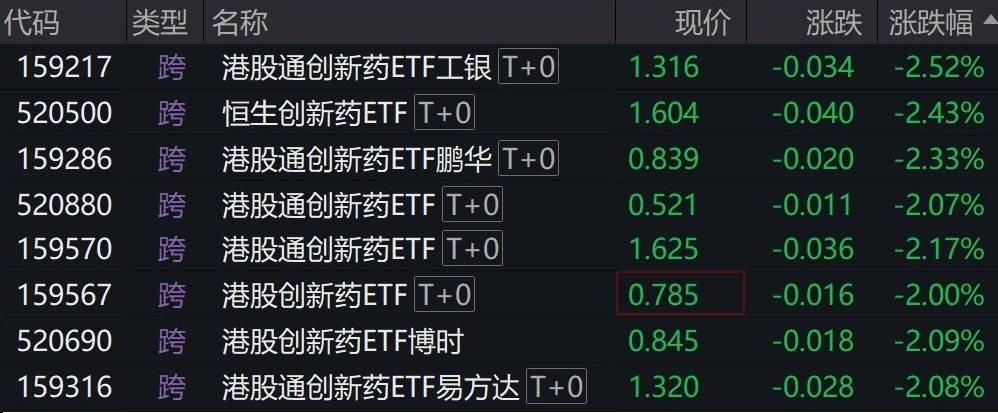
港股创新药概念股走低,相关ETF跌超2%
Sou Hu Cai Jing· 2026-02-12 03:16
Group 1 - The Hong Kong innovative drug concept stocks have declined, with companies such as 3SBio, Kelun-Botai Biopharmaceuticals falling over 3%, and CSPC Pharmaceutical Group, China Biologic Products, and Hansoh Pharmaceutical dropping over 2% [1] - The Hong Kong innovative drug-related ETFs have also seen a decline of over 2% [1] Group 2 - Current analysis indicates that the healthcare sector presents multiple investment opportunities, with the CXO industry experiencing sustained improvement due to a recovery in overseas orders and domestic capacity reduction, while still having room for valuation recovery [2] - The medical device sector is benefiting from domestic equipment upgrade policies and overseas market expansion, with continuous catalysts in cutting-edge areas such as brain-computer interfaces and AI imaging [2] - Internet healthcare is seeing improved operational efficiency in the context of deepening medical insurance payment reforms, leading to a clearer profit growth trajectory [2]


港股创新药概念股早盘爆发!港股通医疗ETF富国(159506)涨超3%,脑机接口、AI影像等前沿方向催化不断
Mei Ri Jing Ji Xin Wen· 2026-02-10 03:15
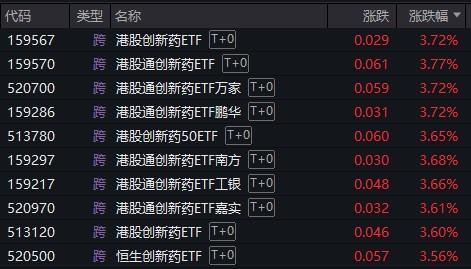
Core Viewpoint - The Hong Kong stock market showed strong performance in the healthcare sector, particularly in innovative drugs and medical companies, with significant gains observed in various stocks [1] Group 1: Market Performance - The Hong Kong stock market experienced fluctuations but ultimately strengthened, with notable performances in the innovative drug and medical sectors [1] - Stocks such as CSPC Pharmaceutical Group and Innovent Biologics rose over 6%, while others like Zai Lab and WuXi Biologics increased by more than 5% [1] - The Hong Kong Stock Connect Medical ETF (159506) saw a rise of over 3% during trading [1] Group 2: Industry Insights - At the J.P. Morgan Healthcare Conference held in January, global pharmaceutical companies disclosed advanced research pipelines and significant business development transactions, creating clear order expectations for the CXO industry [1] - The penetration of AI in healthcare is accelerating, with applications expanding from smart consultations to chronic disease management, leading to a reevaluation of the value of internet healthcare platforms like Alibaba Health and JD Health [1] - Analysts suggest that the current healthcare sector presents multiple investment opportunities, with the CXO industry benefiting from a recovery in overseas orders and domestic capacity clearance [1] - The medical device sector is supported by domestic equipment upgrade policies and overseas market expansion, with cutting-edge areas like brain-computer interfaces and AI imaging continuously catalyzing growth [1] - Internet healthcare is optimizing operational efficiency against the backdrop of deepening medical insurance payment reforms, leading to a clearer profitability growth trajectory [1] Group 3: ETF Information - The Hong Kong Stock Connect Medical ETF (159506) closely tracks the Hang Seng Hong Kong Stock Connect Innovative Drug and Healthcare Index (HSSCHI) [2] - The index composition emphasizes companies with high R&D expenditure and innovative drug business, ensuring that companies with the lowest average R&D to revenue ratio over the past two years are excluded [2] - This innovative focus aids investors in accurately capturing investment opportunities within the Hong Kong pharmaceutical sector [2]
港股创新药概念股走强,港股创新药相关ETF涨超3%
Mei Ri Jing Ji Xin Wen· 2026-02-10 03:08
Group 1 - The Hong Kong stock market saw a strong performance in innovative pharmaceutical stocks, with CSPC Pharmaceutical Group rising over 7%, Kelun-Bio increasing more than 6%, and Innovent Biologics up over 5% [1] - The related ETFs for innovative pharmaceuticals in Hong Kong experienced gains of over 3% [1] Group 2 - Multiple investment opportunities are present in the current healthcare sector, driven by the recovery of overseas orders and domestic capacity clearance in the CXO industry, leading to sustained improvement in market conditions and potential for valuation recovery [2] - The medical device sector benefits from domestic equipment upgrade policies and expansion into overseas markets, with continuous catalysts in cutting-edge areas such as brain-computer interfaces and AI imaging [2] - Internet healthcare is seeing improved operational efficiency and clearer profit growth trajectories amid deepening reforms in medical insurance payment systems [2]
高盛报告:预测美图2027至2028年净利润年均增长44%
Ge Long Hui· 2026-02-10 02:15
Core Viewpoint - Goldman Sachs initiates coverage of Meitu with a "Buy" rating and a 12-month target price of HKD 16, which is higher than the average target prices set by major banks like Morgan Stanley, UBS, and Bank of America [1] Group 1: Company Analysis - Goldman Sachs expresses confidence in the high revenue potential of the AI imaging sector and Meitu's competitive advantage in meeting user needs in specific scenarios, predicting that Meitu's future two-year forecasts will exceed market consensus [1] - The report highlights that despite discussions about general models consuming applications, users still require different software applications for various needs, such as precise image editing and editing history tracking, which is where Meitu's strength lies [1] - Meitu's recent product launches, such as Wink and Kaipai, are contributing to revenue growth, demonstrating the company's focus on AI applications and vertical scenarios, allowing it to capitalize on the benefits of the AI era [1] Group 2: Market Outlook - Goldman Sachs anticipates that the global AI image and video market will grow at a compound annual growth rate (CAGR) of 44% from 2025 to 2030, reaching USD 39 billion [2] - Meitu is expected to benefit from the promotion of productivity tools, expansion into overseas markets, increased payment rates, and continuous new product launches, with a projected revenue CAGR of 29% from 2025 to 2030 [2] - The productivity tools segment is accelerating, with expectations that by 2030, productivity revenue will contribute 44% to Meitu's total revenue, alongside accelerated growth in overseas monthly active users due to expansion in regions like Europe and Southeast Asia [2] - Overall, Meitu's products are evolving from beauty tools to AI image and video generation and editing applications, expanding the market from consumer entertainment to productivity tools, which is expected to drive growth in monthly active users, payment rates, and ARPU [2]