Lonna

Search documents
AI玩具哄孩子,效果如何?
Xin Lang Cai Jing· 2026-02-23 02:13
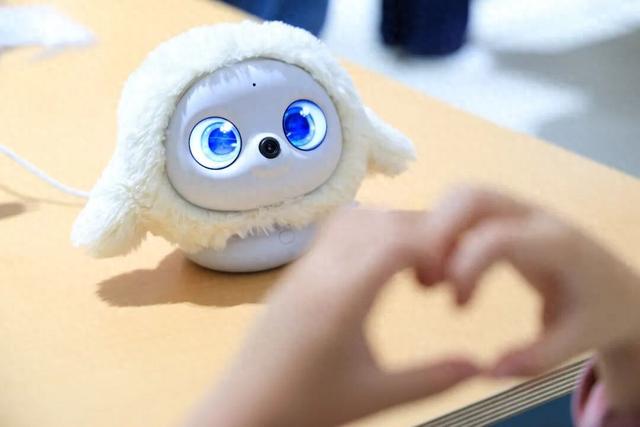
Core Insights - The emergence of AI toys is reshaping children's growth paths and educational practices, while also innovating family interaction models and exploring ethical boundaries in technology [1][5][10] Industry Overview - AI toys are defined as products that integrate artificial intelligence with traditional toys, enhancing their functionality to include education, companionship, and therapeutic roles [5][7] - The AI toy market in China is projected to grow from approximately 246 billion yuan in 2024 to 290 billion yuan in 2025, indicating a significant expansion in this sector [8] Technological Integration - Companies are utilizing a dual-layer model of "general large model + vertical small model" to enhance interaction, integrating both domestic and international AI models [4][5] - The development of AI toys is supported by advancements in technologies such as language models, voice recognition, computer vision, and emotional computing, allowing for multi-modal interactions [5][8] Market Dynamics - The demand for AI toys is driven by parents seeking companions for their children that can listen and respond, filling the emotional companionship gap [5][9] - Major tech companies are entering the AI toy market, with products like "智能憨憨" and platforms like JoyInside gaining popularity and selling out quickly [8] Consumer Experience - While AI toys are gaining traction, there are concerns regarding performance issues, such as lag and inadequate recognition rates, leading to a return rate of 30% to 40% [9][10] - The reliance on cloud-based models and the simplicity of many products have resulted in a homogenized market, where many toys merely serve as "smart story machines" [9][10] Ethical Considerations - The use of AI toys raises questions about emotional dependency and the impact on children's social skills, highlighting the need for a balance between technological companionship and real human interaction [10] - Privacy concerns are paramount, as the collection of data from children necessitates the establishment of regulatory standards to protect sensitive information [10]