
Make Up For Ever

Search documents
奢品巨头重新布局,消费赛道要复苏?
Sou Hu Cai Jing· 2026-02-26 14:58
Group 1 - The luxury goods sector is experiencing a dichotomy between subjective biases and quantitative facts, as evidenced by LVMH's consideration of selling non-core beauty brands while simultaneously launching a high-end lipstick line [1] - The market's perception of the beauty segment is polarized, with some investors believing it is declining while others see opportunities due to LVMH's entry, highlighting the confusion caused by subjective judgments [1][2] - The true intentions of market players are often obscured, similar to how stock movements can mislead investors, emphasizing the need for a deeper understanding of trading behaviors [2][10] Group 2 - Quantitative data can reveal critical insights into market dynamics, such as the "dominant momentum" and "institutional inventory," which reflect core trading behaviors and institutional participation [4] - Analyzing stocks through quantitative metrics can clarify whether price movements are genuine recoveries or mere traps for retail investors, thus eliminating guesswork [4][6] - The distinction between subjective and quantitative analysis is crucial, as the former relies on experience and can be misled by market noise, while the latter focuses on actual trading actions and trends [10] Group 3 - LVMH's strategy of selling non-core brands is not a retreat from the beauty sector but a focus on high-margin products, aligning with the broader trend of resource optimization in investment strategies [6][10] - The ability to discern institutional actions through quantitative data can help investors navigate complex market environments and establish a sustainable investment framework [10]

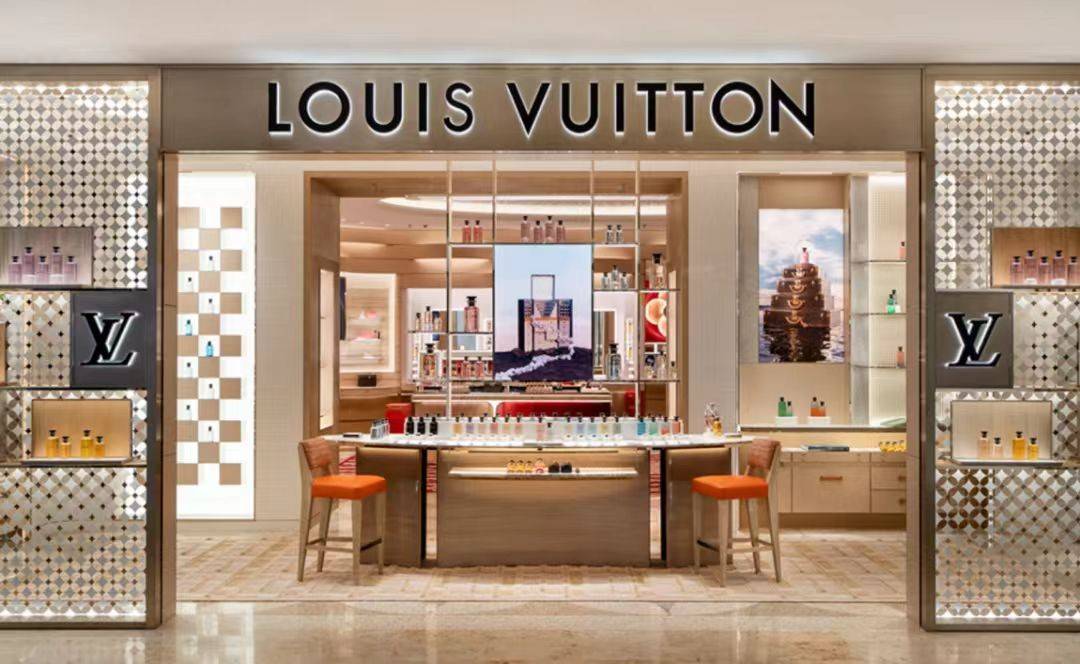
LVMH考虑出售旗下大众品牌
Guan Cha Zhe Wang· 2026-02-25 10:31
Core Insights - LVMH is undergoing a strategic adjustment in its beauty business, considering the sale of its makeup brand Make Up For Ever and evaluating stakes in skincare brand Fresh and Fenty Beauty [1][5][13] Group 1: Make Up For Ever - Make Up For Ever, founded in 1984 and acquired by LVMH in 1999, has been struggling with a positioning mismatch, focusing too much on the mass market rather than LVMH's luxury brand identity [1][5] - The brand has reported losses for eight consecutive years, with annual net revenue around €300 million, making it a burden for LVMH's beauty segment [5][6] Group 2: Fresh - Fresh, established in 1991, has seen a slowdown in its expansion in China, closing several stores while maintaining around 70 counters in major cities [3][5] - The brand has failed to establish a clear competitive advantage in a market increasingly focused on efficacy and transparency, leading to a decline in growth [3][5] Group 3: Fenty Beauty - Fenty Beauty, co-founded by Rihanna in 2017, is also under evaluation for potential stake sales, with estimated brand valuation between $1 billion and $2 billion [6][9] - The brand's performance in China has been disappointing, with initial sales figures indicating a lack of traction despite some promotional successes [6][9] Group 4: Overall Beauty Business Performance - Despite the challenges faced by specific brands, LVMH's overall beauty business remains resilient, with total revenue for perfumes and cosmetics at €8.174 billion in FY2025, although down 3% from the previous year [9][12] - The strong performance of luxury brands like Dior and Givenchy has supported profitability, with operating profit increasing by 8% [9][12] Group 5: Louis Vuitton's Entry into Beauty - Louis Vuitton has launched its beauty line, La Beauté Louis Vuitton, with a focus on high-margin products to attract younger consumers and enhance customer loyalty [10][12] - The pricing strategy for Louis Vuitton's products, such as a lipstick priced at 1,200 RMB, aims to position the brand within the luxury segment, targeting LVMH's loyal customer base rather than the mass market [12][13] Group 6: Market Trends - The luxury goods market in China is entering a phase of cautious recovery, with consumer spending on luxury items expected to decrease slightly [12][13] - Consumers are becoming more value-conscious, emphasizing the importance of perceived value in their purchasing decisions [12][13]
