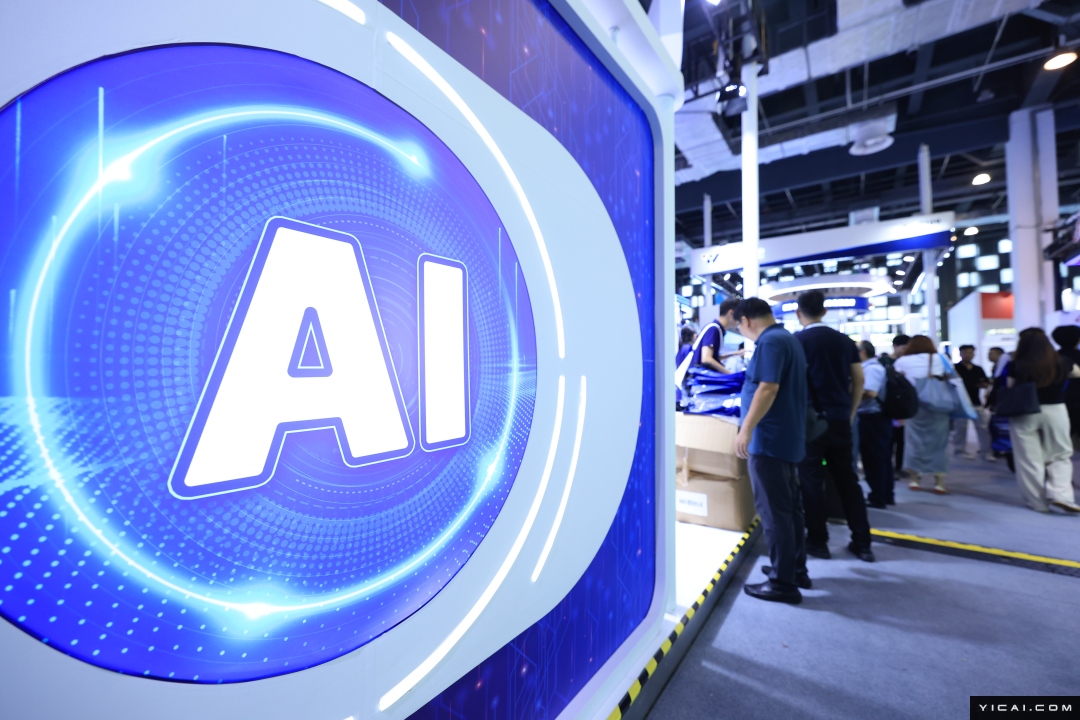
Mini AI工作站

Search documents
中国出口开AI新局:旧硬件打不开新世界
Di Yi Cai Jing· 2025-12-18 12:00
Core Viewpoint - The rise of AI technology is becoming essential for consumer electronics, particularly for Chinese manufacturers, as they prepare for the upcoming CES in Las Vegas, where AI-enabled products are expected to dominate the showcase [1][2]. Group 1: AI Integration in Consumer Electronics - AI has become an unavoidable trend for Chinese manufacturers, with most exhibitors at CES expected to present AI-capable products [2]. - MINISFORUM, a Shenzhen-based company, is focusing on AI integration across its product lines, including Mini PCs and AI workstations, with personal computers being its main revenue source [2]. - Major PC manufacturers like Lenovo and Dell are also embracing AI, but MINISFORUM leverages flexibility in niche markets like Mini PCs, targeting specific audiences with higher-end components [2][3]. Group 2: Market Dynamics and Competition - China's PC exports are under pressure, with a significant portion already featuring basic AI capabilities; Lenovo reported that 33% of its AI PCs were shipped in Q3, with expectations for continued double-digit growth [3]. - The global PC market is projected to grow by 8.1% year-on-year by Q3 2025, driven by the transition from Windows 10 and the demand for AI-capable PCs [3]. - The competitive landscape is shifting, with India and Vietnam emerging as strong contenders in the consumer electronics space, impacting China's export dynamics [6][7]. Group 3: Future Hardware Trends - Smart glasses are seen as a potential next-generation hardware, with companies betting on their ability to transform human-computer interaction [9][10]. - Humanoid robots are a focal point of competition between China and the U.S., with significant investments and advancements expected in manufacturing applications [11]. - The Mini AI workstation is anticipated to become a central computing hub for households, with MINISFORUM's latest model showcasing advanced AI capabilities [12]. Group 4: Export and Trade Insights - China accounts for 15% of global exports and maintains trade surpluses with 177 economies, with expectations to increase its market share to 16.5% by 2030 [13]. - The changing landscape of global trade, influenced by U.S. tariffs and competition from India and Vietnam, is prompting Chinese companies to diversify their markets [7][8].

中国出口开AI新局:旧硬件打不开新世界 | 海斌访谈
Di Yi Cai Jing· 2025-12-18 11:33
Core Viewpoint - The AI ecosystem in China and the US surpasses that of other countries, with AI expected to help strengthen China's manufacturing competitiveness globally [1] Group 1: AI Integration in Consumer Electronics - The upcoming CES in Las Vegas is a significant platform for Chinese consumer electronics, with AI becoming an essential trend for manufacturers [3] - MINISFORUM, a Shenzhen-based company, is fully integrating AI into its products, including Mini PCs and AI workstations, with a focus on niche markets [3][4] - Major PC manufacturers like Lenovo and Dell are also embracing AI, but companies like MINISFORUM leverage flexibility to target specific audiences [3] Group 2: Market Trends and Growth Projections - Lenovo's AI PC shipments reached 33% in Q3, with expectations for double-digit growth in the coming quarters [4] - MINISFORUM anticipates that 60% of its exported PCs will have AI capabilities, potentially reaching 100% within a year [4] - Counterpoint Research forecasts an 8.1% year-on-year growth in global PC shipments by Q3 2025, driven by the transition from Windows 10 [4] Group 3: Competitive Landscape - China's smartphone and computer exports are under pressure, with a notable decline in mobile exports to the US [7][8] - India and Vietnam are emerging as significant competitors in the consumer electronics space, with India becoming the largest source of mobile imports to the US [8][9] - The shift in global supply chains due to trade tensions is prompting Chinese companies to diversify their markets beyond the US [9][10] Group 4: Future Hardware Innovations - Smart glasses are seen as a potential next dominant hardware, with both Chinese and foreign companies investing heavily in this area [12][13] - Humanoid robots are a focal point of competition between China and the US, with significant investments and advancements expected in manufacturing applications [14] - The Mini AI workstation is positioned as a future computing center for households, with potential applications across various industries [15] Group 5: Export Market Dynamics - China accounts for 15% of global exports and maintains trade surpluses with 177 economies, with projections indicating an increase to 16.5% by 2030 [16]