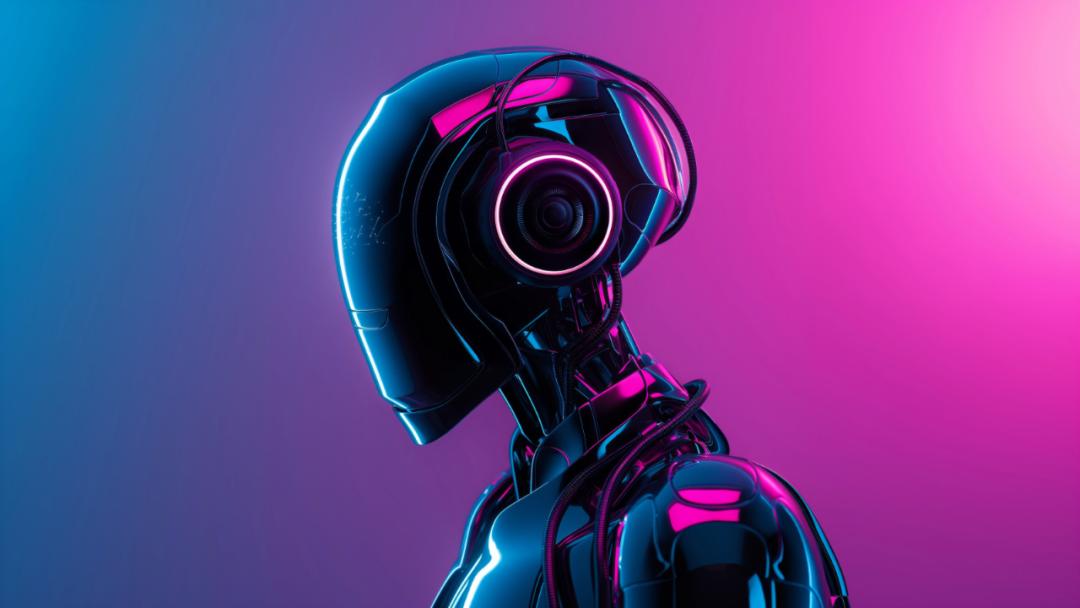
Optimus二代机器人

Search documents
人工智能行至中场,“物理AI”成关键赛点
3 6 Ke· 2025-11-06 23:41
Core Insights - The concept of "Physical AI" is emerging as a focal point in the global technology competition, with major tech companies investing heavily to secure their positions in this next technological era [1][19] - NVIDIA's CEO Jensen Huang has identified Physical AI as a core direction for AI development, emphasizing its potential to enhance physical interaction capabilities [3][19] - The competition spans from Silicon Valley to China, with companies making investments in the hundreds of billions to capture the narrative of the next technological age [1] Group 1: Physical AI Development - Physical AI is defined by the collaborative evolution of mechanics, control, and perception, moving from "digital understanding" to "physical interaction" [3] - The implementation of Physical AI relies on three key components: physical modeling and training in virtual environments, generation and reasoning of high-quality physical data, and the perception and decision-making loop in real-world scenarios [3][6][7] Group 2: Technological Innovations - Virtual modeling serves as the foundation of Physical AI, utilizing a combination of classical physics laws and deep learning to create highly accurate simulation environments [6] - High-quality data generation is crucial for Physical AI, employing a fusion of synthetic and real data to address the scarcity and labeling challenges of real physical data [6][7] - Major tech companies like NVIDIA are showcasing their Physical AI applications, integrating platforms that simulate real-world environments and generate synthetic data for training [8] Group 3: Industry Applications - In the automotive sector, companies like Tesla and Xpeng are leveraging Physical AI for advancements in autonomous vehicles and robotics, with Tesla's Optimus robot utilizing driving data for training [12][19] - Amazon is entering the Physical AI space with new robotic systems aimed at automating warehouse operations, planning to achieve 75% automation in logistics by 2027 [13][19] - Physical AI is expected to revolutionize productivity across various sectors, including manufacturing and transportation, by enabling autonomous decision-making and optimizing operational efficiency [14][16] Group 4: Future Outlook - Gartner predicts that by 2030, all IT work will be deeply integrated with AI, with 25% of IT tasks performed independently by robots [14] - The ultimate value of Physical AI lies in liberating humans from repetitive physical labor, allowing them to focus on higher-value activities [14][19] - The competition for dominance in Physical AI is not just a commercial battle but a critical measure of national technological competitiveness, influencing the future landscape of various trillion-dollar markets [19]