PTC Windchill

Search documents
跨国企业PLM管理系统推荐TOP10
Sou Hu Cai Jing· 2025-10-09 19:24
Core Insights - The article emphasizes the critical importance of Product Lifecycle Management (PLM) systems for multinational companies, highlighting their role in overcoming complexities in global operations and enhancing core competitiveness [2][3]. Importance of PLM Systems - PLM systems are essential for multinational enterprises, serving as a unified platform that breaks down barriers across departments, regions, and time zones, facilitating real-time data sharing and centralized management throughout the product lifecycle [3]. - The seamless flow of information through PLM systems leads to significant improvements in R&D efficiency and cost reduction, addressing issues like version confusion and communication breakdowns that can result in design errors and project delays [3]. Core Functions of PLM Systems - A key function of PLM systems is the management of Bill of Materials (BOM), which includes various versions such as Engineering BOM (EBOM), Manufacturing BOM (MBOM), and Sales BOM (SBOM), ensuring consistency and timely updates across global teams [4]. - Change management is another critical aspect, with PLM systems providing standardized electronic change processes (ECN/ECO) that ensure rigorous tracking and approval of changes, enhancing compliance and traceability [5]. Cross-Border Collaboration Capabilities - The ability of PLM systems to support multilingual interfaces and localization is crucial for effective cross-border collaboration, allowing teams from different regions to communicate efficiently [6]. - Data security and collaboration are also significant challenges, with advanced PLM systems offering refined permission management to protect intellectual property while ensuring necessary data access for team members [6]. Industry-Specific Solutions - Different industries have unique PLM system requirements, with sectors like automotive and aerospace needing tailored solutions that address specific regulatory and operational challenges [7]. - Leading PLM providers often develop industry-specific solutions that include pre-configured templates and compliance reports, facilitating quicker deployment and effectiveness for businesses [7]. Recommended PLM Systems - A list of top PLM systems is provided, highlighting their core advantages and target industries, emphasizing that the best choice depends on the specific needs and strategies of the enterprise [8][12]. Summary and Future Outlook - Selecting and implementing an appropriate PLM system is a complex but rewarding endeavor for multinational companies, enabling them to optimize resource allocation and accelerate product innovation [13]. - Future PLM technologies are expected to integrate advancements in cloud computing, AI, IoT, and digital twins, leading to more intelligent and flexible systems that enhance collaboration and operational efficiency [13].


2025化工PLM怎么选?实验管理适配化工场景是核心,从国产落地到全球协同的厂商清单
Sou Hu Cai Jing· 2025-09-26 05:00
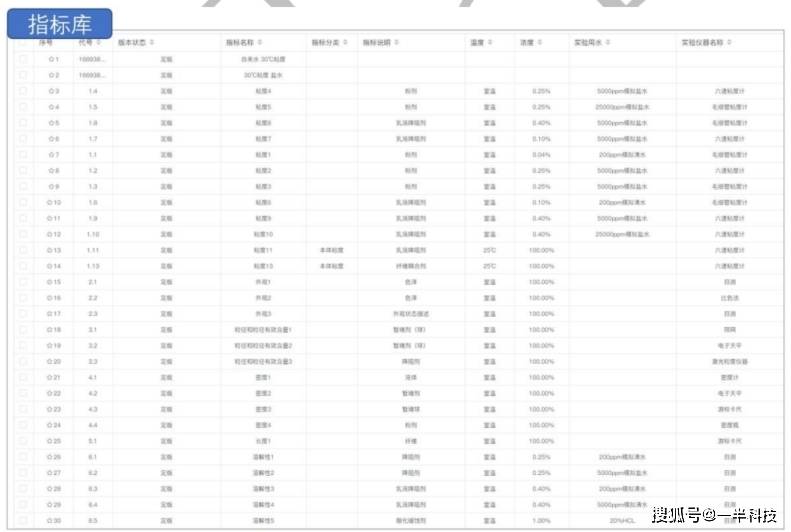
一、2025 化工 PLM 选型核心:实验管理要 "贴场景",而非 "凑功能" 化工行业的实验管理,从来不是简单的 "数据记录"—— 从原料配比测试到反应条件优化,从稳定性验证到中试放大,每个环节都需贴合 "多变量、强关 联、可追溯" 的行业特性。2025 年化工 PLM 选型的关键,已从 "是否有实验管理模块" 转向 "实验管理能否适配化工场景": 若 PLM 的实验管理仅停留在 "上传实验报告" 的基础功能,无法满足这些化工特有的场景需求,即便叠加再多模块,也难以真正提升效率。 实验管理与 BOM 物料管理的衔接:化工实验常涉及多种原料的领用与消耗,若实验数据与 BOM 脱节,易导致原料库存核算混乱。一半科技 PLM 会在实 验方案提交时,自动关联 BOM 中的原料编码、规格、库存数量,研发人员可直接基于现有库存选择实验用原料,实验完成后,系统同步更新原料消耗数据 至 BOM 物料管理模块,确保 "实验用料" 与 "库存数据" 实时对齐。 实验管理与项目管理的同步:化工研发项目常分 "小试 - 中试 - 量产" 阶段,每个阶段的实验任务需与项目节点绑定。一半科技 PLM 可将实验计划纳入项目 管理流程,系 ...