产品生命周期管理(PLM)

Search documents
十大国产PLM系统,全球供应链协同款!
Sou Hu Cai Jing· 2025-12-18 18:28
Core Insights - The article emphasizes that Product Lifecycle Management (PLM) systems are no longer exclusive to large multinational corporations but are increasingly being adopted by Chinese manufacturing enterprises to enhance their core business processes [2] - Domestic PLM systems are designed to address complex global supply chain challenges, offering unique advantages in aligning with local operational models and facilitating cross-regional and cross-enterprise collaboration [2] Group 1: Collaborative Capabilities of Domestic PLM Systems - To assess whether a PLM system possesses the "global supply chain collaboration" capability, it is essential to examine its internal logic architecture that supports the entire lifecycle data flow from concept to disposal [3] - A significant barrier to global collaboration is "data silos," where different departments may not be able to access or utilize the same data effectively. A robust PLM system acts as a powerful data hub, enforcing a single source of truth for all participants [4] - Real-time and transparent data synchronization in PLM systems helps avoid rework and waste caused by information delays, with experts noting that the success of PLM implementation largely depends on the standardization and unified management of data [4] Group 2: Process Integration and Automation - The core value of collaborative PLM lies in managing processes rather than just outcomes, enabling the automation of complex engineering change processes and new product introduction workflows [5] - In a collaborative PLM environment, all relevant personnel receive tasks and can view change details, comment, and approve online, significantly speeding up decision-making and ensuring compliance and consistency in processes [5] Group 3: Overview of Leading Domestic PLM Systems - The article identifies ten prominent PLM systems in the domestic market based on market share, technological advancement, industry reputation, and supply chain collaboration features [6] - CAXA PLM is highlighted as a leading solution, providing an integrated platform that connects design and manufacturing processes, showcasing its capability to manage complex product data effectively [9] - Other notable systems include Yonyou PLM, Kingdee PLM, and Siemens Teamcenter (localized version), each with unique strengths tailored to specific industries [9] Group 4: Future of PLM Systems - The evolution of domestic PLM systems is increasingly focused on "global supply chain collaboration," which is essential for maintaining resilience and agility in a competitive global landscape [10] - The integration of technologies such as artificial intelligence, industrial internet, and digital twin technology is expected to make PLM systems more intelligent and proactive in predicting supply chain risks and optimizing R&D paths [10]


跨国企业PLM管理系统推荐TOP10
Sou Hu Cai Jing· 2025-10-09 19:24
Core Insights - The article emphasizes the critical importance of Product Lifecycle Management (PLM) systems for multinational companies, highlighting their role in overcoming complexities in global operations and enhancing core competitiveness [2][3]. Importance of PLM Systems - PLM systems are essential for multinational enterprises, serving as a unified platform that breaks down barriers across departments, regions, and time zones, facilitating real-time data sharing and centralized management throughout the product lifecycle [3]. - The seamless flow of information through PLM systems leads to significant improvements in R&D efficiency and cost reduction, addressing issues like version confusion and communication breakdowns that can result in design errors and project delays [3]. Core Functions of PLM Systems - A key function of PLM systems is the management of Bill of Materials (BOM), which includes various versions such as Engineering BOM (EBOM), Manufacturing BOM (MBOM), and Sales BOM (SBOM), ensuring consistency and timely updates across global teams [4]. - Change management is another critical aspect, with PLM systems providing standardized electronic change processes (ECN/ECO) that ensure rigorous tracking and approval of changes, enhancing compliance and traceability [5]. Cross-Border Collaboration Capabilities - The ability of PLM systems to support multilingual interfaces and localization is crucial for effective cross-border collaboration, allowing teams from different regions to communicate efficiently [6]. - Data security and collaboration are also significant challenges, with advanced PLM systems offering refined permission management to protect intellectual property while ensuring necessary data access for team members [6]. Industry-Specific Solutions - Different industries have unique PLM system requirements, with sectors like automotive and aerospace needing tailored solutions that address specific regulatory and operational challenges [7]. - Leading PLM providers often develop industry-specific solutions that include pre-configured templates and compliance reports, facilitating quicker deployment and effectiveness for businesses [7]. Recommended PLM Systems - A list of top PLM systems is provided, highlighting their core advantages and target industries, emphasizing that the best choice depends on the specific needs and strategies of the enterprise [8][12]. Summary and Future Outlook - Selecting and implementing an appropriate PLM system is a complex but rewarding endeavor for multinational companies, enabling them to optimize resource allocation and accelerate product innovation [13]. - Future PLM technologies are expected to integrate advancements in cloud computing, AI, IoT, and digital twins, leading to more intelligent and flexible systems that enhance collaboration and operational efficiency [13].

ST华微2024年财报亮眼,净利润暴涨246.45%,但大股东占款问题仍未解决
Sou Hu Cai Jing· 2025-05-06 18:13
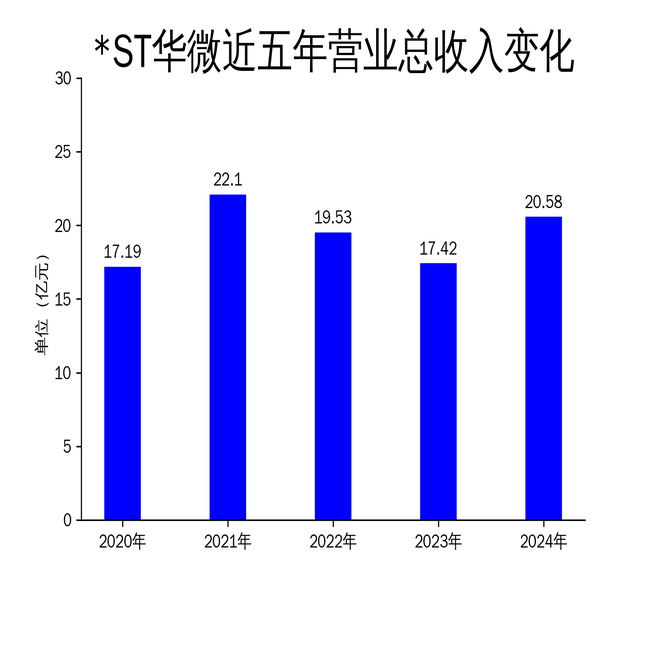
Core Viewpoint - ST Huami achieved significant growth in revenue and net profit in 2024, but the issue of major shareholder's fund occupation remains unresolved, posing a risk to the company's future development [4][7]. Financial Performance - The company reported total revenue of 2.058 billion yuan, an increase of 18.13% year-on-year [4][5]. - Net profit attributable to shareholders reached 128 million yuan, up 246.45% year-on-year [4][5]. - The net profit excluding non-recurring items was 101 million yuan, reflecting a year-on-year growth of 190.20% [4][5]. Major Shareholder Fund Occupation - The major shareholder's fund occupation amounted to 1.491 billion yuan in 2024, with no substantial repayment progress despite regulatory demands [4][6]. - This issue has negatively impacted the company's cash flow and investor confidence [4][6]. R&D and Product Development - The company increased its investment in R&D, focusing on independent and joint innovation models [5]. - ST Huami utilized simulation design tools such as LEDIT, SILVACO, and ICEPACK to enhance device structure and circuit design [5]. - The company completed the full series development of SiCSBD and SiCMOSFET products and expanded the range and capacity of PM power modules and GaN products [5]. Internal Control and Governance - ST Huami strengthened its internal control framework, aligning with the requirements of regulatory bodies [6]. - The company conducted self-assessments of internal control effectiveness and developed a risk database to identify risk points and control measures [6]. - Despite progress in internal control, the high debt ratio of 46.14% and financial expenses of 19.0537 million yuan present ongoing challenges [6].