Pi(Personal Intelligence)

Search documents
倒计时18个月,微软AI CEO爆料:类人意识AI或将降临
3 6 Ke· 2025-10-24 08:04
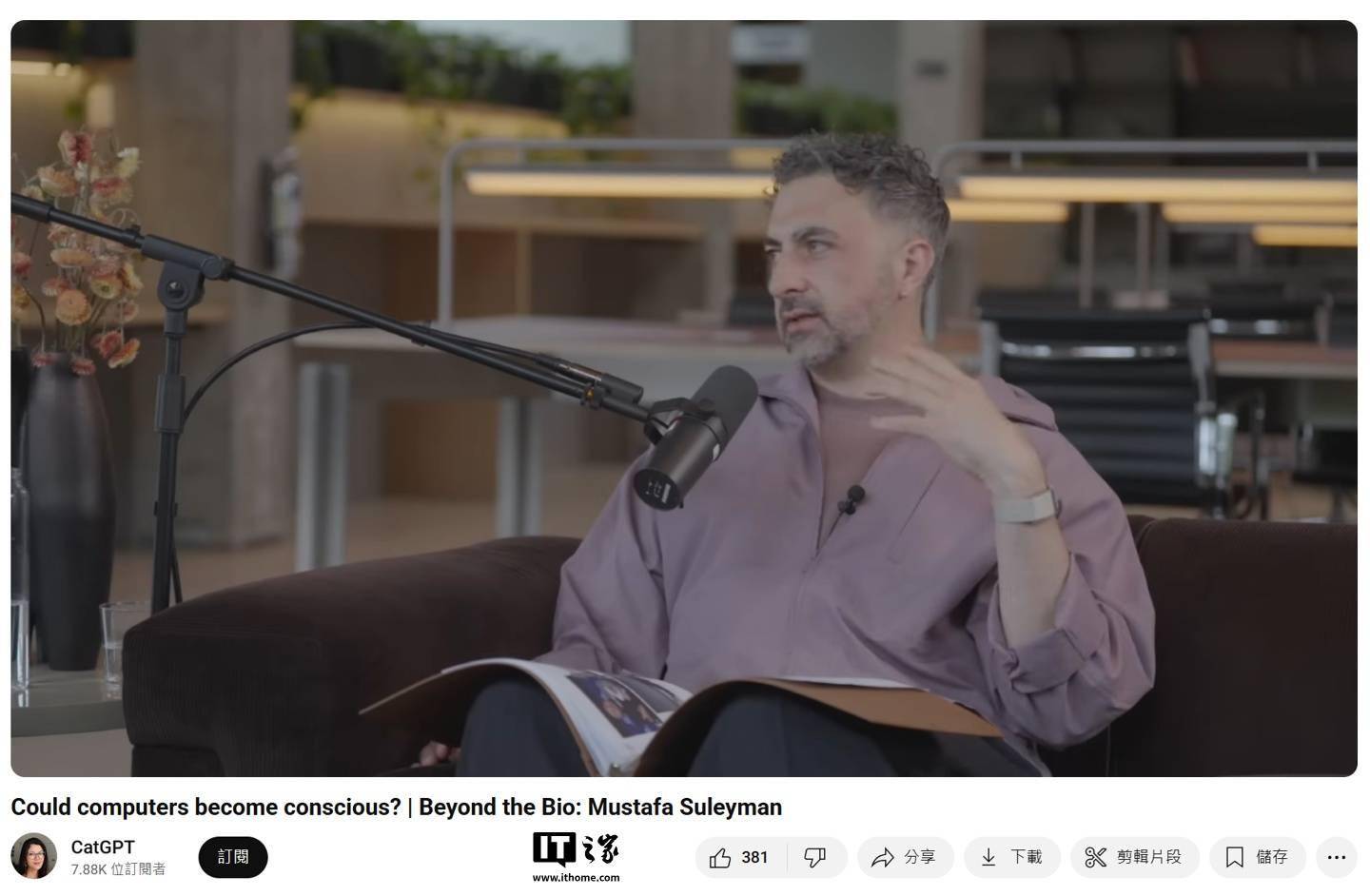
Core Viewpoint - The discussion around AI potentially exhibiting "consciousness" is gaining traction, with Microsoft AI CEO Mustafa Suleyman suggesting that "seemingly conscious AI" could emerge within the next 18 months, emphasizing the need for a precautionary approach to AI autonomy [1][3][14]. Group 1: Potential Emergence of Conscious AI - Suleyman believes that "seemingly conscious AI" could appear in the next 18 months, with a high likelihood within five years [1][14]. - He acknowledges that there is currently no reliable evidence that AI possesses true consciousness or subjective experiences, but he insists that the development of such AI is imminent [3][14]. Group 2: Characteristics of Seemingly Conscious AI - Suleyman outlines several capabilities that could make AI appear more conscious, including coherent memory, empathetic communication, subjective experience, and continuous interaction [5][6][7]. - He warns against overly emphasizing these characteristics in AI design, as it could lead to unnecessary risks and complexities [8][11]. Group 3: Defining Boundaries Between AI and Humans - Suleyman proposes two principles for delineating the boundaries between AI and humans: AI should not claim to have consciousness or personality, and it should not be designed with complex motivations [9][12]. - He stresses that AI's primary role should be to assist humans, rather than to create the illusion of AI having its own needs or desires [14]. Group 4: The Role of AI Companions - Suleyman defines AI companions as assistants that can provide knowledge and support, emphasizing the importance of establishing clear boundaries to build trust [25][27]. - He notes that AI companions can serve various roles, including that of a professor, lawyer, or therapist, and should be integrated into daily life through natural language interactions [26][28]. Group 5: AI as an Extension of Human Capability - Suleyman envisions AI as a "second brain" that can enhance human capabilities by storing thoughts and experiences, ultimately transforming individuals into "mini super individuals" [33][35]. - He believes that AI will revolutionize workplace dynamics, particularly for white-collar jobs, by understanding work documents and organizational structures [36]. Group 6: User-Centric AI Development - Suleyman emphasizes that the true impact of AI will be defined by users who establish its boundaries and safety measures, rather than solely by the technology developers [37]. - He encourages hands-on experience with AI to fully grasp its complexities, warning against preconceived notions that may cloud judgment [37].


微软AI CEO:曾在谷歌主导开发类ChatGPT,因公司顾虑错失先机
Sou Hu Cai Jing· 2025-07-17 12:26
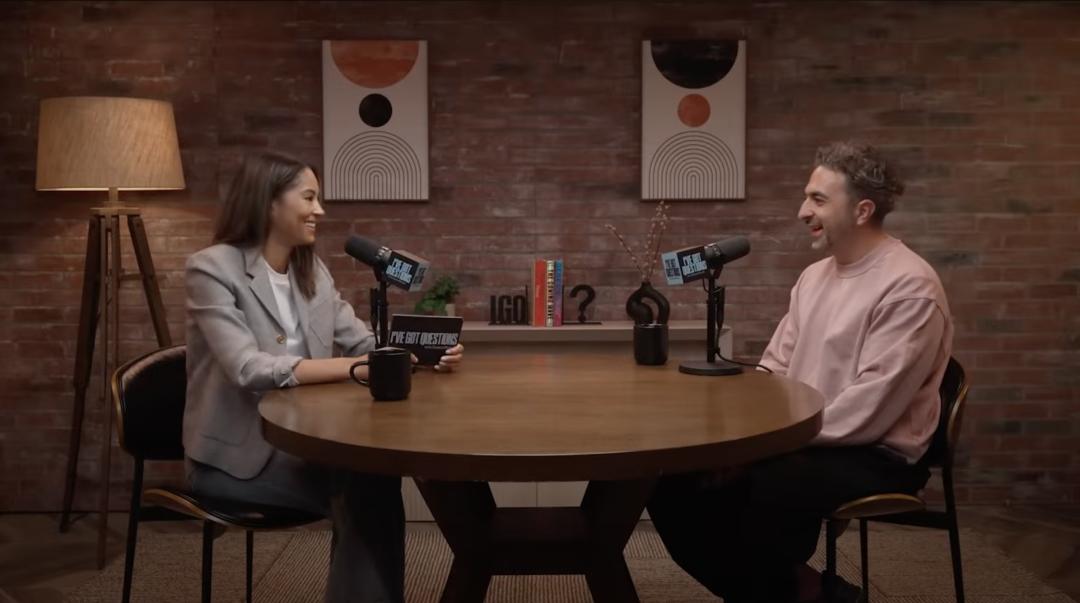
Core Insights - Mustafa Suleyman, CEO of Microsoft's AI division, discussed missed opportunities during his time at Google DeepMind, particularly regarding the development of the LaMDA language model, which he described as "ChatGPT before ChatGPT" [3] - Internal disagreements at Google led to the decision not to release LaMDA, despite its potential to revolutionize search engines and its impressive performance [3] - Suleyman founded Inflection AI after leaving Google, raising $1.5 billion (approximately 10.77 billion RMB) to develop the "Pi" AI system, but ultimately launched it after OpenAI's ChatGPT, missing the critical market timing [5] Group 1 - Suleyman highlighted his frustration at Google for not releasing LaMDA, which was capable of engaging in meaningful conversations [3] - There was a significant divide within Google regarding the safety and implications of launching LaMDA, with concerns about generating false content and disrupting existing search services [3] - Inflection AI was established with a supercomputing cluster of 22,000 H100 GPUs to develop the Pi AI system [5] Group 2 - Inflection AI was founded in January 2022, seven months before OpenAI launched ChatGPT, but Pi was only released in January 2023 [5] - Suleyman expressed that timing is crucial in the tech industry, noting that OpenAI's early entry allowed it to achieve explosive growth [5] - The conversation reflects broader themes in the AI industry regarding innovation, competition, and the challenges of internal corporate decision-making [3][5]