RWA数字凭证

Search documents
香港RWA四大主题曝光!固定收益、绿色金融入选,你的资产符合吗
Sou Hu Cai Jing· 2025-10-11 16:01
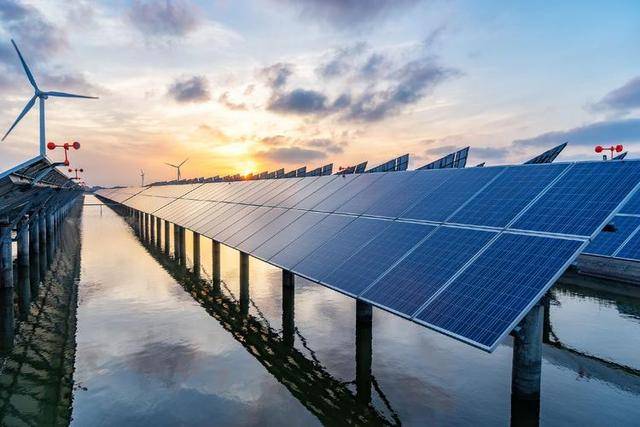
Core Insights - The recent trend of "Asset Tokenization" in Hong Kong is gaining traction, with companies like Longxin and Xiexin converting the revenue rights of charging stations and photovoltaic power plants into digital certificates for global investor financing [1][3] - The Hong Kong Monetary Authority has defined four key categories for Real World Assets (RWA): fixed income, green finance, liquidity management, and trade supply chain [4][6] Group 1: RWA Overview - RWA refers to the transformation of real assets into digital tokens, allowing for the trading of future income rights from properties, power plants, and charging stations on the blockchain [3][6] - The benefits of RWA include quick access to funds without the need for collateral or bank approvals, appealing to global investors [3][6] Group 2: Key Categories of RWA - Fixed Income: Includes bonds, loans, and revenue rights from charging stations, providing predictable future earnings for investors [6] - Green Finance: Encompasses assets like photovoltaic and wind power, supported by policies and stable cash flows, aligning with carbon neutrality trends [6] - Liquidity Management: Involves short-term financial products and accounts receivable, enabling quick cash conversion for businesses [6] - Trade Supply Chain: Allows exporters to convert cargo rights into tokens for early cash flow, enhancing operational efficiency [6] Group 3: Requirements for RWA - Assets must demonstrate consistent income generation, such as charging stations with stable revenue or photovoltaic plants with reliable output [6][8] - Ownership must be clear, with proper documentation like property deeds and operational licenses to avoid disputes [6][8] - Real-time monitoring is essential, utilizing IoT and big data to provide accurate performance data to investors [6][8] Group 4: Market Dynamics - The RWA market in Hong Kong is characterized by high entry barriers, targeting professional investors rather than retail investors, with fundraising amounts ranging from tens of millions to 200 million [3][4] - RWA serves as a tool for asset owners to unlock liquidity from underutilized assets, but it requires careful consideration of the underlying asset's stability and market conditions [8]