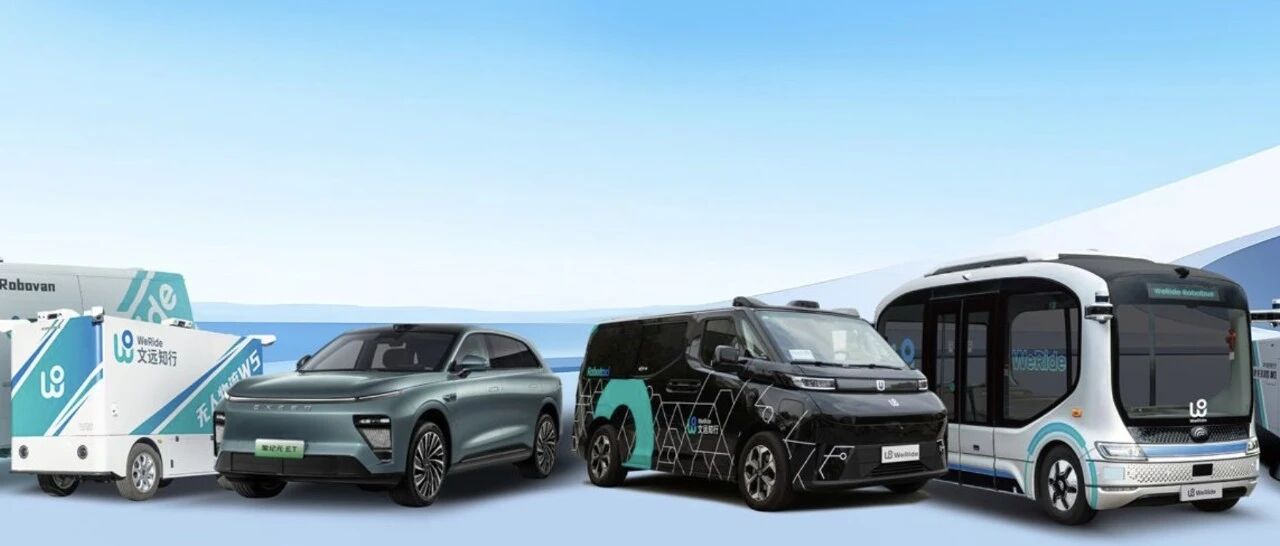
Robobus(无人驾驶巴士)

Search documents
4年亏损68亿!市值缩水32%后,文远知行赴港再上市
Feng Huang Wang Cai Jing· 2025-10-17 03:12
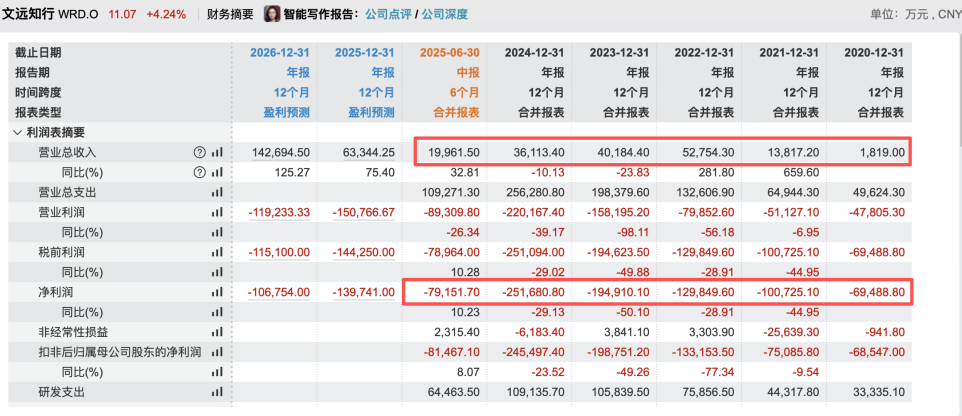
Core Viewpoint - The company, Wenyan Zhixing, is making significant progress towards its listing in Hong Kong, having received approval from the China Securities Regulatory Commission for its overseas issuance plan, aiming to issue up to 102 million ordinary shares on the Hong Kong Stock Exchange [2][4]. Financial Performance - Wenyan Zhixing has experienced a decline in revenue and continued losses, with total losses exceeding 6.8 billion yuan over four years. Revenue peaked in 2022 at 528 million yuan but has since declined for two consecutive years, with decreases of 23.86% and 10.2% [5][6]. - The company's net losses have expanded over the years, with figures of 1.007 billion, 1.298 billion, 1.982 billion, and 2.517 billion yuan from 2021 to 2024, respectively. Although the net loss narrowed to 791 million yuan in the first half of 2025, profitability remains in question [5][6]. Revenue Breakdown - Revenue is categorized into product income and service income, with product income's gross margin at 17.3% and service income's gross margin at 47.6%. However, the contribution of service income has been decreasing, from 86.51% in 2022 to 65.29% in the first half of 2025 [7][9]. - The company relies heavily on specific large clients for revenue, with the top two clients accounting for 52.4% of total revenue as of June 30, 2024. This high client concentration poses risks to revenue stability [11][12]. Competitive Landscape - The competition in the autonomous driving sector is intensifying, with pressure from both peer companies and major automotive manufacturers accelerating their self-research efforts. Wenyan Zhixing faces challenges from competitors like Xiaoma Zhixing and Baidu's Apollo, which have made significant advancements in commercializing autonomous driving [13][17]. - Despite having a higher gross margin compared to Xiaoma Zhixing, Wenyan Zhixing's revenue scale is smaller, with a market capitalization significantly lower than its competitors, reflecting differing market confidence in their future prospects [15][17].


4年亏损68亿!市值缩水32%后,文远知行赴港再上市
凤凰网财经· 2025-10-17 02:59
Core Viewpoint - The article discusses the recent developments regarding Wenyan Zhixing's plan to list on the Hong Kong Stock Exchange, highlighting its financial struggles and challenges in the autonomous driving sector. Financial Performance - Wenyan Zhixing plans to issue up to 102 million ordinary shares for its listing in Hong Kong, having previously listed on NASDAQ as the "first global autonomous driving stock" [2] - The company's stock price has declined significantly from its initial listing, dropping from $19.8 to $11.07, resulting in a market cap reduction of 32% [3] - Over the past four years, Wenyan Zhixing has reported cumulative losses exceeding 6.8 billion yuan, with revenues declining consecutively after peaking in 2022 [5][4] - The company’s revenue figures from 2021 to 2024 were 138 million, 528 million, 402 million, and 361 million yuan, with a revenue drop of 23.86% and 10.2% in the last two years [5] - Research and development expenses have been substantial, totaling 3.351 billion yuan from 2021 to 2024, representing over 300% of annual revenues in some years [7] Revenue Structure - Wenyan Zhixing's revenue is divided into product and service income, with product gross margins at 17.3% and service gross margins at 47.6% [8] - The contribution of service revenue has been decreasing, from 35.98% in 2022 to 65.29% in the first half of 2025, while product revenue has increased from 13.49% in 2023 to 34.71% in 2025 [10] - The company relies heavily on a few major clients, with the top two clients accounting for 52.4% of total revenue as of mid-2024 [11][13] Competitive Landscape - The competition in the autonomous driving sector is intensifying, with major players like Waymo, Xiaoma Zhixing, and Baidu Apollo leading the market [16][20] - Wenyan Zhixing faces challenges not only from other autonomous driving companies but also from traditional automakers that are advancing their own self-driving technologies [20] - The shift in industry dynamics emphasizes the need for sustainable revenue models and profitability, moving away from reliance on technology and funding [21]