自动驾驶商业化

Search documents
Robotaxi再推荐-全球商业化共振的万亿赛道
2026-03-30 05:15
Summary of Key Points from the Conference Call Industry Overview - The Robotaxi industry is experiencing significant growth, with a projected market size reaching trillions globally by 2026. [1] - The industry is entering a density-driven phase, where fleet sizes are increasing from hundreds to thousands of vehicles, enhancing operational efficiency and reducing wait times for users. [1][6] Company-Specific Insights Pony.ai (小马智行) - Pony.ai's C-end paid ride-hailing business saw a year-on-year growth of over 500% in Q4 2025, offsetting fluctuations in project-based revenue. [2] - The company achieved Unit Economics (UE) profitability in Guangzhou and Shenzhen, with average daily revenue per vehicle exceeding 300 RMB. [3] - The fleet size target for 2026 is to surpass 3,000 vehicles, with significant operational areas in major cities like Beijing, Shanghai, Guangzhou, and Shenzhen. [3] - The seventh-generation model is set to launch in mid-2025, which is expected to drive further growth in C-end paid ride-hailing revenue. [3] WeRide (文远知行) - WeRide's fleet has reached 1,125 vehicles, with over 250 operating overseas, particularly in the Middle East. [2] - The operational area in Beijing and Guangzhou has expanded to over 1,000 square kilometers, with a target fleet size of 2,600 vehicles by 2026. [2] Waymo - Waymo completed approximately 15 million paid rides in 2025, with a goal to expand its fleet from 2,500 to between 4,000 and 5,000 vehicles by the end of 2026. [3][4] - The company aims to increase its weekly order volume from 400,000 to 1 million by the end of 2026. [4] Tesla - Tesla's Robotaxi fleet is currently around 500 vehicles, with a cautious approach to expansion. [4] - The company plans to add 7 new operational cities in the first half of 2026. [4] Market Dynamics and Regulatory Environment - The U.S. is considering legislative changes to increase the annual production cap for fully autonomous vehicles from 2,500 to 90,000, which would benefit Robotaxi companies. [5] - In China, policies are evolving to expand operational areas and relax entry requirements for Robotaxi services, with Guangzhou and Shenzhen leading the way. [5] Competitive Landscape - The competitive landscape in the Robotaxi market is intensifying, with new entrants like XPeng and various ride-hailing operators entering the space. However, the high barriers to entry mean that existing players are not currently threatened. [5] - The Robotaxi sector is characterized by a high level of technological and operational complexity, making it challenging for new players to achieve full autonomous commercial operations. [5] Global Market Potential - Chinese Robotaxi companies are well-positioned in global markets, particularly in the Middle East and Europe, where competition is limited and market potential is high. [6] - The transition from assisted driving to fully autonomous ride-hailing is expected to reduce the number of global competitors significantly, primarily focusing on players from China and the U.S. [6]
20城、3000车、收入翻3倍:单车盈利转正之后,小马智行2026年三大目标浮出水面
Ge Long Hui· 2026-03-30 01:01
Core Insights - The global autonomous driving industry is entering a critical year of "de-bubbling" and "pragmatic commercialization" in 2025, with the focus shifting from testing mileage and financing scale to examining unit economics and cash flow quality [1] Group 1: Financial Performance - In 2025, the company reported total revenue of 629 million RMB, a year-on-year increase of 20%, marking four consecutive years of growth [1] - The core Robotaxi business saw a significant surge, with revenue increasing by 129% to 116 million RMB, and passenger fare income growing nearly 400% [1] - In Q4 2025, Robotaxi revenue reached 46.6 million RMB, a 160% year-on-year increase, with passenger fare income rising over 500% [2] Group 2: Business Model Evolution - The company has transitioned from a model of owning and operating vehicles to a "co-built fleet" model, which enhances capital efficiency and allows for rapid expansion [3] - The co-built fleet model enables the company to act as a "technology and operations enabler," sharing operational revenue with partners while minimizing asset acquisition costs [3] - The company aims to triple Robotaxi revenue by 2026 and expand its fleet to over 3,000 vehicles, leveraging partnerships to reduce financial pressure [3] Group 3: Market Expansion Strategy - The company has established a complete and replicable business capability in the domestic market, with the seventh-generation autonomous taxi being a key component [4] - As of March 25, 2026, the fleet size exceeded 1,400 vehicles, making it one of the largest autonomous operators globally [5] - The company plans to expand its operational footprint to over 20 cities globally by the end of 2026, with nearly half of these in overseas markets [6] Group 4: Technological Advancements - The seventh-generation autonomous driving suite has significantly reduced material costs and improved operational efficiency through partnerships with major automotive manufacturers [2] - The company has become the first to offer fully autonomous L4 services in all four first-tier cities in China, demonstrating its capability in complex urban environments [5] Group 5: Conclusion - The company has successfully transformed from a technology-focused autonomous driving developer to a scalable commercial platform, positioning itself at a critical juncture in the commercialization of autonomous driving [7]
小马智行2025年Robotaxi营收增129% 2026年启动双擎战略 驶向海内外20+城
Zhi Tong Cai Jing· 2026-03-26 10:18
Core Insights - The company reported a total revenue of 629 million yuan for the fourth quarter and the entire year of 2025, marking a 20% year-on-year growth and maintaining growth for four consecutive years [3] - The Robotaxi business generated an annual revenue of 116 million yuan, showing a significant increase of 129% [3] - In the fourth quarter, Robotaxi revenue reached 46.6 million yuan, with a year-on-year growth of 160%, and passenger fare revenue increased by over 500% [3] Financial Performance - Total revenue for 2025 was 629 million yuan, reflecting a 20% increase compared to the previous year [3] - The Robotaxi segment's revenue for the year was 116 million yuan, with a remarkable growth rate of 129% [3] - Cash equivalents, short-term investments, and total investments reached 10.593 billion yuan by the end of 2025 [3] Business Development - The seventh generation of Robotaxi was launched in November 2025, achieving operational profitability in single vehicles in Guangzhou and Shenzhen, validating the business model [3] - In 2026, the company initiated a dual-engine strategy to deepen domestic presence and accelerate international expansion, aiming to replicate successful Robotaxi experiences in over 20 cities globally [3] - As of March 2026, the Robotaxi fleet exceeded 1,400 vehicles, with expectations to surpass 3,000 vehicles by the end of the year [3]
Robotaxi不再是故事:文远知行财报背后的一个关键拐点
美股研究社· 2026-03-24 11:41
Core Viewpoint - The autonomous driving industry is transitioning from a "technology validation phase" to a more challenging "commercial examination" phase, where the focus shifts from technical capabilities to financial viability [1][2]. Group 1: Financial Performance and Business Model Transition - The latest financial report from WeRide reflects a significant shift in the industry, emphasizing the importance of financial sustainability as the business scales [2]. - Revenue growth is notable, with product revenue increasing threefold and overall revenue nearly doubling, but the critical insight lies in the shift from a service-driven model to a product and scale delivery model [4][5]. - The proportion of product revenue has surged from 24% to 52% within a year, indicating a fundamental restructuring of the business model [5]. Group 2: Market Dynamics and Profitability Challenges - Despite revenue growth, profitability remains a concern, with gross margins around 30%, which is low for software but acceptable for hardware, reflecting the company's mixed attributes [5][8]. - Adjusted losses have widened, indicating increased investments rather than operational deterioration, as the company focuses on cost reduction and efficiency improvements [5][8]. - The market is now prioritizing "growth quality" over mere growth, questioning the replicability of the growth model rather than just revenue expectations [6][8]. Group 3: Strategic Shifts and Future Outlook - The company is actively reducing reliance on one-time project revenues, transitioning towards data services and operational support, which suggests a long-term strategy for sustainable growth [7][8]. - The ability to eliminate safety drivers is identified as a crucial variable for future profitability, as human labor costs significantly impact the economic model of Robotaxi services [9]. - The company's partnerships with platforms like Uber and Grab are strategic moves to leverage existing user bases and reduce costs, positioning the business for future scalability [9][10]. Group 4: Industry Context and Competitive Landscape - The autonomous driving sector is entering a more rigorous phase where the competition will focus on achieving profitable city operations rather than just technological advancements [11][13]. - The financial report indicates that the industry is moving towards a phase where profitability and operational efficiency will be the key differentiators, similar to the evolution seen in early cloud computing and shared mobility sectors [11][13]. - The report serves as a case study for the industry, illustrating a potential path forward through increased product revenue and regulatory breakthroughs in international markets [13].

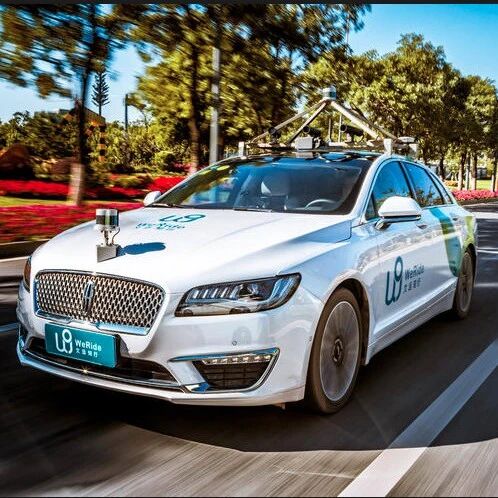
小马智行在深圳实现Robotaxi UE转正,已在两座一线城市达成关键突破
IPO早知道· 2026-03-02 13:47
Core Viewpoint - The article highlights the significant progress made by Xiaoma Zhixing in the commercialization of its Robotaxi service, achieving operational profitability in two major Chinese cities, Shenzhen and Guangzhou, which indicates a sustainable economic model for autonomous driving services [4][6]. Group 1: Market Progress - Xiaoma Zhixing announced that its seventh-generation Robotaxi will achieve monthly single-vehicle operational profitability in Shenzhen by February 2026 [3]. - The company has successfully expanded its Robotaxi operational area from 21.7 square kilometers to 167.4 square kilometers by December 2025 [5]. - The operational performance in Shenzhen has been strong, with an average net income per vehicle per day reaching 338 yuan and an average of 23 orders per vehicle per day as of February 28 [4]. Group 2: User Demand and Experience - The user experience has significantly improved with features such as Bluetooth auto-unlock, voice interaction, online music, and pre-conditioning of air conditioning, enhancing passenger comfort [5]. - The paid order volume for Xiaoma Zhixing's Robotaxi in Shenzhen has already exceeded the total for the entire year of 2025 by February 16, 2026 [5]. - During the recent Spring Festival holiday, the average paid orders per vehicle per day reached 26, significantly higher than the national average of 15 orders per vehicle per day in 2025 [5]. Group 3: Cost Structure and Efficiency - The operational costs for each vehicle include depreciation of vehicles and autonomous driving kits, charging costs, maintenance, remote assistance, insurance, labor costs, and infrastructure expenses [6]. - The material costs for the seventh-generation autonomous driving system have been reduced by approximately 70% compared to the previous generation [6]. - The company has improved vehicle utilization and optimized the configuration of remote assistance personnel, enhancing overall operational efficiency [6]. Group 4: Future Outlook - The successful profitability in Shenzhen and Guangzhou demonstrates the replicability of Xiaoma Zhixing's business model in core markets [6]. - The company plans to steadily increase the scale of its pilot operations while maintaining a robust economic model for each vehicle, aiming to enhance order and revenue levels through economies of scale [6].
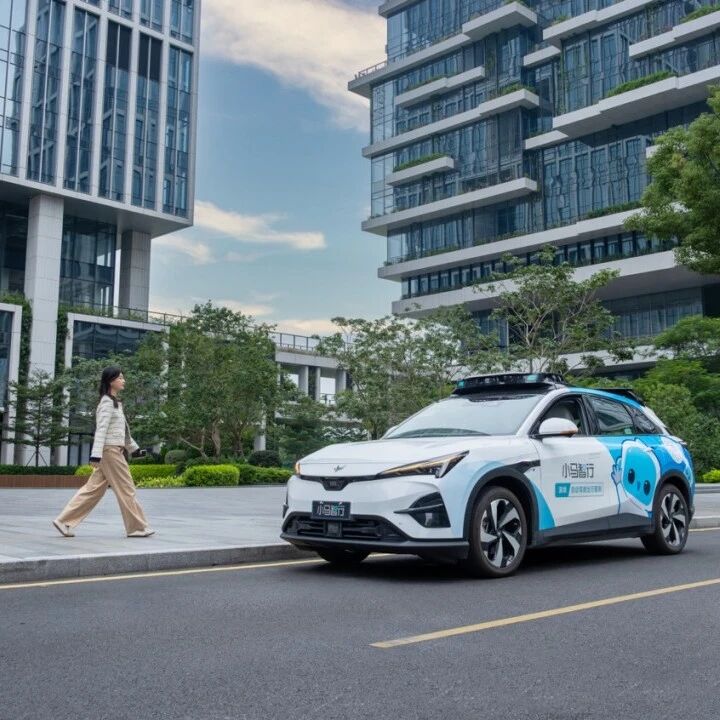
未知机构:汇丰中国政策加速自动驾驶标准化和商业化中国的政策正在加速自动驾驶标-20260228
未知机构· 2026-02-28 02:45
Summary of Conference Call on Autonomous Driving in China Industry Overview - The conference call focuses on the autonomous driving industry in China, highlighting the acceleration of standardization and commercialization driven by government policies [1][3]. Key Points and Arguments - Recent policy initiatives indicate a gradual establishment of a more comprehensive legal framework for autonomous driving [2][4]. - Two milestone standard drafts are set to be released in February 2026, marking further regulatory advancement. These drafts will provide clearer safety, testing, and operational consistency standards for L3 and L4 autonomous vehicles [2][4]. - The introduction of these standards is expected to promote the standardization and scaling of autonomous driving commercialization [4]. Important Policy Developments - On February 4, the China Automotive Engineering Society released a draft standard for L4 autonomous passenger vehicles, establishing technical requirements for vehicle recognition, emergency warnings, remote operation, cybersecurity, and real-time monitoring [5]. - The phased testing process includes simulations, closed courses, and open roads, covering scenarios from basic obstacle avoidance to complex interactions and adverse conditions [5]. - On February 12, the Ministry of Industry and Information Technology (MIIT) published a draft for public consultation regarding national safety source information requirements for L3 and L4 autonomous driving systems. This standard mandates that the performance of autonomous driving systems must meet or exceed that of a competent human driver [6]. - Strict requirements for risk management, safety case documentation, multi-modal validation, supplier oversight, production control, and post-deployment safety monitoring are emphasized [6]. Regulatory Clarity - These regulatory advancements clarify safety standards and related requirements for the industry [7]. Investment Opportunities - Institutions believe that leading companies with strong technological and compliance capabilities will be the first to benefit from these developments [8]. - Among automotive manufacturers, Xpeng Motors is viewed positively [9]. - Among component manufacturers, Horizon Robotics is favored [10]. - Both companies are given a "buy" rating, with expectations that L3 autonomous driving will achieve widespread commercial deployment on highways and urban roads by 2026-2027, while L4 applications will expand rapidly in designated scenarios [11].

特斯拉 Cybercab 正式下线,自动驾驶商业化有望进入实车落地阶段
Changjiang Securities· 2026-02-25 11:49
Investment Rating - The industry investment rating is "Positive" and maintained [6] Core Insights - On February 18, 2026, Tesla confirmed the first Cybercab designed for autonomous taxi services has officially rolled off the production line at its Texas Gigafactory, marking a significant step from concept validation to actual vehicle deployment [2][4] - The launch of Cybercab is expected to initiate large-scale deployment of Tesla's Robotaxi business, which will significantly influence the overall development of the Robotaxi industry [9] - The cost structure for the Cybercab is favorable, with an estimated price of under $30,000 (approximately 207,000 RMB) and a projected fare of $0.20 per mile (approximately 0.89 RMB per kilometer) [9] Summary by Sections Event Description - Tesla's Cybercab has officially launched, transitioning its autonomous driving commercialization strategy from testing to real-world application [4] Market Commentary - The Cybercab's launch is anticipated to accelerate the commercialization of Robotaxi services, with Tesla's leadership expected to drive industry growth [9] - Regulatory compliance remains a critical factor for the Cybercab's widespread adoption, as current U.S. federal vehicle safety standards require vehicles to retain manual controls [9] - In China, the Robotaxi business is also expected to begin with pilot programs before broader implementation, with Tesla's progress serving as a reference [9] Investment Opportunities - Investors are encouraged to focus on: 1. Robotaxi operators 2. Suppliers of autonomous driving hardware 3. Companies involved in integrated vehicle-road-cloud infrastructure development [9]

Claude Code更新编程语言优化,IBM跌超13%;OpenAI与咨询巨头达成多年合作协议,推广AI智能体工具丨全球科技早参
Mei Ri Jing Ji Xin Wen· 2026-02-23 23:53
Group 1: AI and Automation - Anthropic's Claude Code can now automate the exploration and analysis phase of COBOL modernization, traditionally requiring large consulting teams, impacting IBM's consulting service model [1] - OpenAI has established long-term partnerships with four consulting firms to deploy its enterprise AI agent platform, significantly lowering the barrier for businesses to adopt AI technology [2] - Uber has launched a new department, Uber Autonomous Solutions, aimed at commercializing autonomous driving technology, enhancing market expectations for the transition from technology validation to commercial operation [4] Group 2: Pharmaceuticals and Healthcare - Eli Lilly has introduced a new dosage form of its weight loss drug Zepbound, priced at $299 per month, with Q4 revenue in the U.S. reaching $4.2 billion, a 122% increase year-over-year [3] Group 3: Technology and Consumer Electronics - Samsung has integrated Perplexity into its Galaxy AI platform, allowing users to access and control various applications, enhancing competitive differentiation in the smartphone AI market [5]


文远知行 × 优步登陆阿布扎比市中心!中东自动驾驶商业化再提速
Zhong Guo Qi Che Bao Wang· 2026-02-14 02:07
Core Insights - WeRide and Uber have officially launched Robotaxi commercial operations in downtown Abu Dhabi, marking the first deployment of autonomous vehicles in the area [1] - The operational range now covers approximately 70% of Abu Dhabi's core areas, with the fleet size increasing fourfold since the start of commercial operations in December 2024, totaling over 200 Robotaxis deployed in the Middle East [1][5] Group 1 - The service area has been extended to include key locations such as Khalifa City, Masdar City, and the waterfront area along Sheikh Zayed Grand Mosque, connecting major tourist attractions and high-end hotels [3] - Passengers can request the Robotaxi service through the Uber App or a dedicated Autonomous entry, with safety drivers currently present in the vehicles, transitioning to fully autonomous operations in phases [3][4] Group 2 - The launch of the Robotaxi service supports Abu Dhabi's goal of becoming a global tourism hub and reflects the local regulatory body's recognition of WeRide's operational safety in complex urban environments [4] - WeRide and Uber have set ambitious plans to deploy at least 1,200 Robotaxis in the Middle East by 2027, covering Abu Dhabi, Dubai, and Riyadh, with future expansions aiming for thousands of vehicles [5]
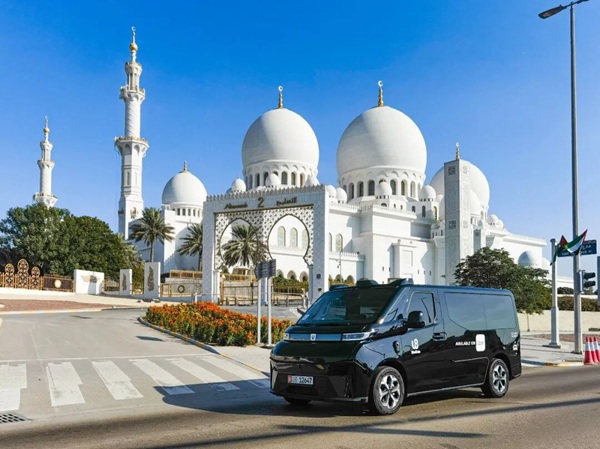
文远知行与Uber升级合作,股价波动机构关注盈利进展
Jing Ji Guan Cha Wang· 2026-02-13 18:30
Group 1 - The core viewpoint of the news highlights the strategic partnership between the company and Uber, aiming to deploy at least 1,200 Robotaxis in the Middle East by 2027, enhancing fleet scalability [1] - The Shanghai government has released policies supporting the development of intelligent connected vehicles, providing a broader operational space for the company and others in the industry [1] - The CEO of the company stated that the AI testing platform has reduced data training costs by 75%, with a goal to achieve profitability by 2030 and expand the global Robotaxi fleet to 2,000-3,000 vehicles by the end of 2026 [1] Group 2 - Multiple institutions have recently issued ratings, generally recognizing the company's technological advantages while expressing concerns about its profitability progress [2] - Macquarie initiated coverage with an "Outperform" rating and a target price of HKD 46 / USD 17.5, optimistic about the overseas light-asset model and the potential for Robotaxi deployment in the Middle East [2] - JPMorgan reiterated an "Overweight" rating but noted that the company's U.S. stock has underperformed relevant indices this year, reflecting market concerns over increasing competition in the Robotaxi sector [2] Group 3 - The company's stock has shown volatility with low liquidity reflecting cautious market sentiment, with the Hong Kong stock closing at HKD 19.84, down 2.07% on February 13, 2026, and a year-to-date decline of 13.74% [3] - The U.S. stock closed at USD 7.60, up 1.88% on the same day, but has also seen a year-to-date decline of 12.44% [3] - On February 13, 2026, there was a net outflow of HKD 734,643 from the Hong Kong stock, indicating an overall outflow trend despite active retail trading [3]