SR9

Search documents
皮尺荣耀:销量神话、资本暗涌与家族力量的扩张
Xin Lang Cai Jing· 2025-12-24 09:41
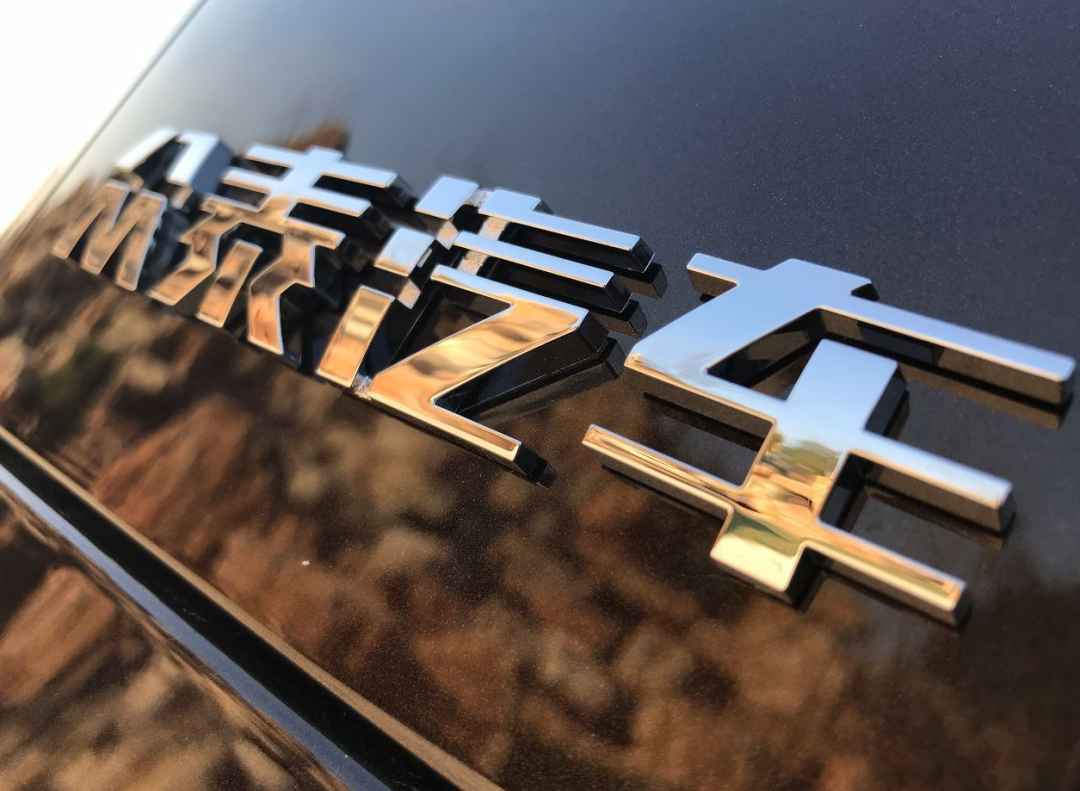
Core Insights - The article discusses the rise and challenges of Zotye Auto from 2013 to 2017, highlighting its rapid growth driven by strategic vehicle launches and market positioning, while also foreshadowing underlying structural issues that would later emerge [1][45]. Group 1: Vehicle Launch and Market Impact - The T600 was a pivotal vehicle for Zotye, launched in December 2013, which achieved sales of approximately 100,000 units in its first year, significantly boosting the company's visibility in the automotive industry [7][48]. - The T600's pricing, ranging from 79,800 to 125,800 yuan, made it particularly appealing in third- and fourth-tier cities, where consumers were drawn to its resemblance to more expensive models [7][48]. - Following the T600, models like the SR7 and SR9 capitalized on internet trends, with SR9 being humorously dubbed "the poor man's Porsche," leading to a sales surge that saw Zotye's total sales exceed 330,000 units in 2016 [12][54]. Group 2: Internal Challenges and Structural Issues - Despite soaring sales, Zotye faced significant internal challenges, including a research and development investment ratio of less than 2%, compared to 6%-10% for competitors like Geely and Great Wall [13][56]. - The company's decentralized management structure, with multiple production bases operating independently, created competition rather than collaboration, complicating operational efficiency [58][60]. - The influence of the family behind Zotye grew increasingly complex, with key figures like Jin Zeyong and Wu Jianzhong holding significant power, leading to a governance structure resembling a family alliance rather than a modern corporate entity [61][62]. Group 3: Capital and IPO Strategy - Zotye's need for capital to expand production, enhance R&D, and transition to new emission standards led to a decision to pursue a reverse merger with Jinma Co., which was completed in 2017 for 11.6 billion yuan [16][20]. - The merger raised concerns due to its reliance on goodwill, with over 80 billion yuan attributed to intangible assets, creating pressure to meet aggressive profit targets set in the merger agreement [75][76]. - Post-IPO, the company faced intensified scrutiny from investors and regulators, leading to shifts in internal power dynamics and governance challenges [87]. Group 4: Strategic Moves and Future Outlook - In 2017, Zotye formed a partnership with Ford to develop smart mobility solutions, which was seen as a significant step towards international expansion, although the collaboration primarily served each party's immediate needs rather than fostering technological synergy [44][85]. - The push into the electric vehicle market was marked by urgency, with multiple projects initiated despite a lack of clear strategy and insufficient technological foundation, further straining the company's cash flow [81][82]. - The internal balance of power began to shift post-IPO, with emerging figures like Huang Jihong poised to play crucial roles in Zotye's future, indicating potential changes in leadership dynamics [87].