Shadow

Search documents
沪游观察|2025年PC游戏规模大了,令人失望之处也多了
Xin Lang Cai Jing· 2026-01-20 03:46
Core Insights - The PC gaming industry is experiencing significant growth in 2025, driven by players returning to the platform due to dissatisfaction with console gaming and the desire for greater freedom and performance [3][5] - Despite advancements, the overall gaming experience is hindered by rising hardware costs, inconsistent game optimization, and a fragmented ecosystem [2][28] Group 1: PC Gaming Trends - More players are shifting back to PC gaming, attracted by its longevity and upgradeability compared to rapidly evolving console hardware [3][5] - The ability to connect gaming PCs to televisions has made PC gaming more accessible in living spaces, breaking down previous barriers [3] - The emergence of compact gaming PCs and handheld devices has further enhanced the appeal of PC gaming, allowing for flexibility in shared living environments [3][6] Group 2: Handheld Devices - Handheld PCs have become a rapidly growing segment in PC gaming, with devices like Steam Deck and Lenovo Legion Go gaining popularity [6][8] - These devices are pushing game developers to optimize performance for lower power hardware, reshaping expectations for game efficiency [8][10] - Despite their advantages, handheld PCs face challenges such as variable battery life and high prices, yet they are becoming integral to the PC gaming ecosystem [6][10] Group 3: Cloud Gaming - Cloud gaming services like NVIDIA's GeForce NOW are emerging as essential support systems for PC gaming, allowing players with lower-end hardware to access high-quality games [10] - These services help extend the lifespan of older systems and reduce the need for frequent hardware upgrades, maintaining the accessibility of PC gaming [10] Group 4: Operating Systems - The competition between Windows and Linux for PC gaming is intensifying, with Linux gaining traction due to its performance and user experience improvements [11][14] - Linux systems are increasingly seen as viable alternatives for gamers, especially for handheld users, as they offer a more streamlined gaming experience [11][14] Group 5: Independent Games - Independent game developers continue to thrive, providing creative and stable titles that contrast with the often cumbersome development cycles of AAA games [15][17] - The success of independent games is contributing to the growth of handheld devices, as they typically require less hardware power and are more adaptable to various platforms [17][18] Group 6: AMD's Market Position - AMD is regaining relevance in the PC gaming market by focusing on mid-range and high-performance products, improving its competitive stance against NVIDIA [22][28] - The company's advancements in sampling technology are helping it to close the gap with NVIDIA, although challenges remain in high-end performance [22] Group 7: Fragmentation Issues - The PC gaming landscape is increasingly fragmented, with a multitude of game stores and platforms complicating the user experience [24][28] - This fragmentation leads to challenges for both players and developers, as they navigate compatibility and performance across diverse hardware configurations [24][28] Group 8: Optimization Challenges - Despite technological advancements, optimization remains a significant issue in PC gaming, with many high-profile releases suffering from performance problems at launch [25][27] - Players are often left relying on patches post-launch to address these issues, highlighting a persistent gap between hardware capabilities and software performance [25][27] Group 9: Cost Barriers - The rising costs of entry-level hardware and the increasing demands for higher specifications are creating a disparity between investment and gaming experience [28][29] - Players are facing challenges in justifying hardware upgrades when the gaming experience remains inconsistent, leading to frustration within the community [28][29]

X @Messari
Messari· 2025-08-29 17:48
Key Metrics - Shadow's cumulative volume reaches $11.4 billion on SonicLabs [1] - Shadow has over 24,000 token holders [1] Market Share & Adoption - Shadow accounts for 47.3% of Sonic's total onchain volume [1] - Shadow represents 53.4% of Sonic's total onchain volume as of Q2 [1] - 36.7% of Sonic's total DAAs (Daily Active Addresses) are using Shadow [1]
Z Product|Product Hunt最佳产品(5.12-18),Notion AI会议助手爆火,两华人产品前五
Z Potentials· 2025-05-22 03:40
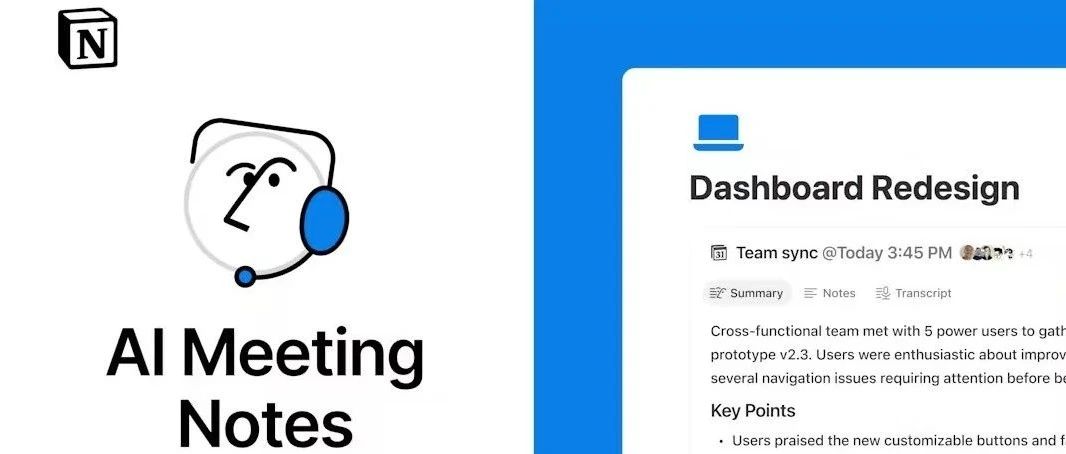
Core Viewpoint - The article highlights the emergence of innovative AI-driven tools aimed at enhancing productivity, compliance, and information management across various sectors, particularly focusing on startups and knowledge workers [6][11][19]. Group 1: AI Meeting Tools - Notion AI Meeting Notes is an AI meeting assistant that automatically transcribes meeting audio into structured notes, targeting product managers and remote teams to improve meeting efficiency and task management [6][7]. - Shadow is a non-intrusive AI meeting tool that automates meeting transcription and task assignment without requiring a robot to attend, addressing privacy concerns and improving follow-up efficiency [33][34]. Group 2: Compliance Automation - Probo is an open-source compliance automation platform designed for startups, enabling them to complete certifications like SOC2 in a week, significantly reducing the time and cost associated with traditional compliance processes [11][12]. Group 3: Productivity and Information Management - Inkr 2.0 is a real-time transcription tool that converts audio into structured notes and enables intelligent search, catering to journalists and content creators [14][16]. - Syft AI is a personalized news aggregation platform that allows users to define topics of interest and receive concise summaries from authoritative sources, aimed at knowledge workers and analysts [19][21]. Group 4: Sales Automation - FirstQuadrant is an AI-driven B2B sales automation platform that enhances sales process efficiency and ensures timely follow-up on sales opportunities, targeting SaaS companies and startups [25][26]. Group 5: Development Tools - Gadget is an AI-powered integrated development environment (IDE) that automates the entire application development process, aimed at web developers and tech startups [29][30]. - Bugster is an AI-driven automated testing tool that converts user workflows into test cases, significantly reducing the time required for manual test script creation [43][44]. Group 6: No-Code Development - NotionApps 2.0 is a no-code platform that allows users to build web applications based on Notion databases, targeting startups and non-technical users to streamline application development [38][39]. Group 7: UI Design - Magic UI 2 is an open-source UI component library designed for designers and front-end developers, providing over 150 animation components to enhance web design efficiency [47][48].