Shinpo

Search documents
突发!日本重启人形机器人计划!
机器人大讲堂· 2025-11-30 06:25
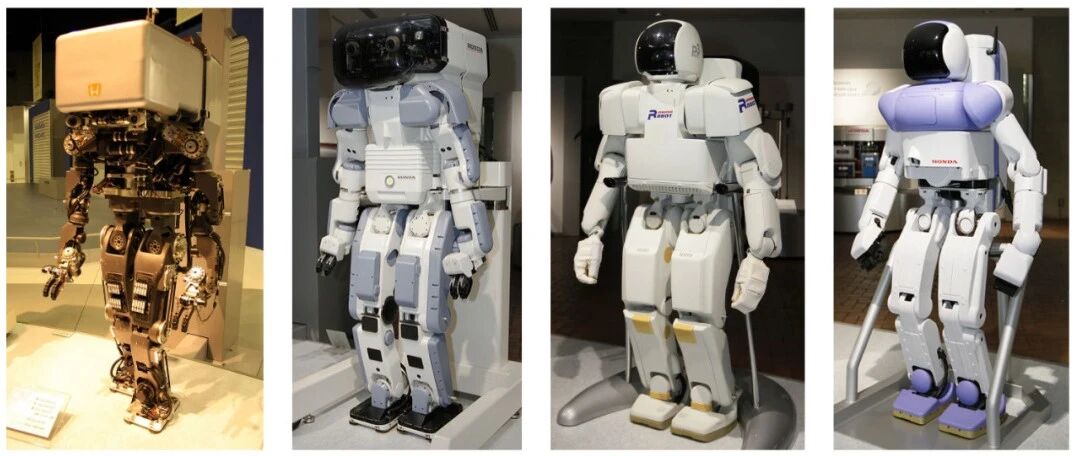
Core Viewpoint - The Japanese government is preparing to inherit or restart the unfinished business of Asimo in the humanoid robot field, aiming to develop AI-driven humanoid robots for workplaces and homes by 2030, with a long-term goal of creating multifunctional humanoid robots by 2050 that can perform all human tasks and make independent decisions [1][4]. Group 1: Current Status of Humanoid Robotics in Japan - Despite rumors of Japan exiting the humanoid robot competition after Honda discontinued Asimo, the country's technological strength and research enthusiasm in this field have not diminished [4][6]. - Major Japanese institutions like Toyota Research Institute and Kawasaki Heavy Industries continue to hold patents and advance humanoid robot technology [6]. Group 2: Key Players and Developments - Toyota Research Institute (TRI) has been focusing on humanoid robotics since its establishment in 2015, collaborating with Boston Dynamics to enhance the Atlas robot's autonomous task handling capabilities [7][10]. - The collaboration with Boston Dynamics aims to integrate TRI's large behavior model into Atlas, allowing it to autonomously generate control signals based on various inputs [10][12]. - TMSUK, a representative company in service robots, has developed humanoid robots for various fields, including a dental training robot that simulates children's behavior for training purposes [13][15]. Group 3: Future Plans and Collaborations - TMSUK plans to develop a prototype humanoid robot for disaster response by the end of 2026 in collaboration with several institutions [19]. - Kawasaki Heavy Industries has iterated its Kaleido series of humanoid robots, with the latest models capable of complex tasks and enhanced human interaction features [34][36]. - Murata Manufacturing is also involved in humanoid robotics, with plans to start trials for domestically produced humanoid robots by March 2026 [33]. Group 4: Global Context and Competition - Other countries, such as South Korea, are also advancing in humanoid robotics, with plans to develop commercial humanoid robots by 2028, involving major tech companies [39][41]. - The global landscape for humanoid robotics remains competitive, with no standout companies achieving mass production yet, indicating that the industry is still in its early stages [41][42].