TIR国际公路运输

Search documents
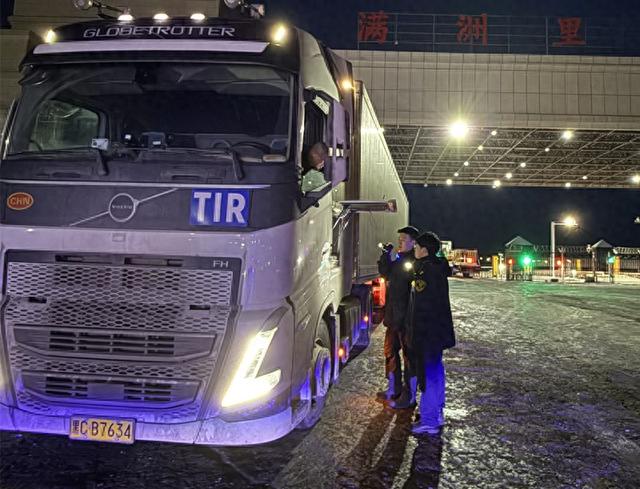
2025年满洲里公路口岸TIR业务量刷新历史纪录
Xin Lang Cai Jing· 2026-01-08 14:51
Group 1 - The core viewpoint of the articles highlights the significant growth in TIR international road transport at the Manzhouli port, with a record of 2,470 vehicles, 37,400 tons of goods, and a trade value of 3.083 billion yuan in 2025, representing increases of 197%, 227%, and 447% respectively compared to the previous year [2] - The TIR international road transport offers advantages over traditional road transport, including single declaration, direct delivery, and no need for cargo inspection, which effectively reduces the time and costs associated with cargo handling at the port [2] - Manzhouli Customs has established a comprehensive regulatory model for TIR operations, implementing 16 service guarantee measures, including 24/7 appointment customs clearance and dynamic supervision of TIR vehicle operations, to enhance the quality and efficiency of TIR international road transport [3] Group 2 - The number of TIR international road transport routes through Manzhouli port has expanded to 27, indicating a significant increase in operational capacity [3] - Manzhouli Customs encourages the integration of TIR with market procurement and cross-border e-commerce, facilitating the international sales of domestic electronic products and daily necessities [3] - The transition from a single transport model to a multi-business integration approach is being driven by TIR international road transport, promoting efficient cross-border logistics at Manzhouli port [3]

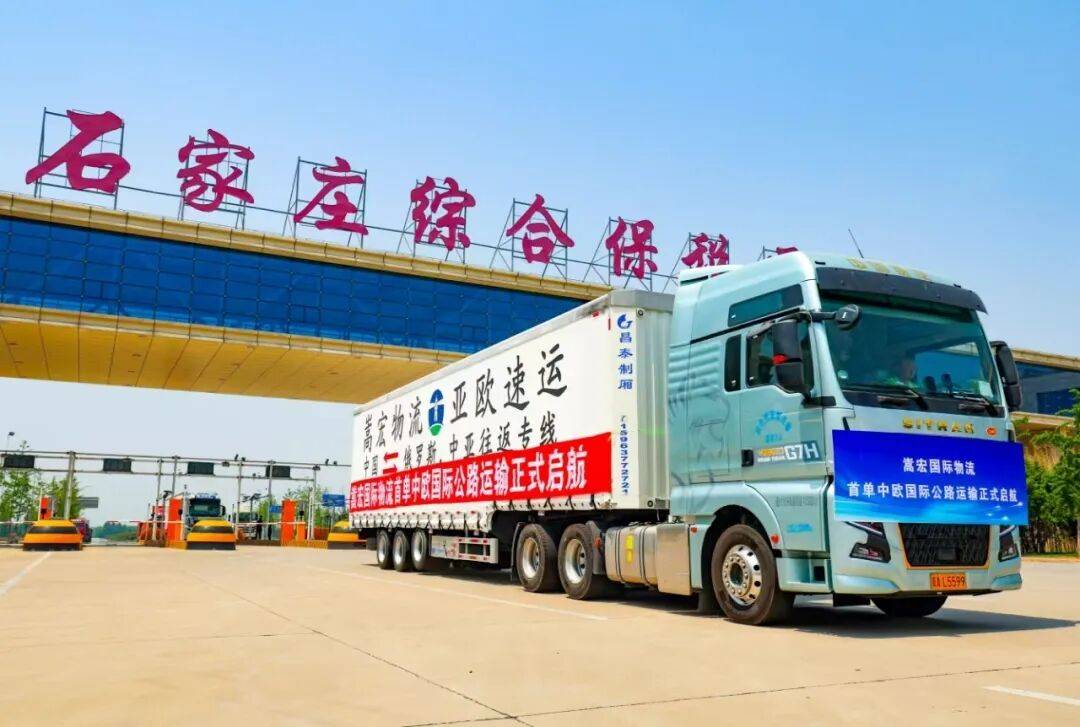
10天直达俄罗斯!石家庄这条国际公路发货量全省TOP1
Sou Hu Cai Jing· 2025-12-28 15:56
Core Insights - The successful launch of the 110th TIR international road transport vehicle from Shijiazhuang Comprehensive Bonded Zone to Moscow highlights the rapid growth of international logistics in the region, achieving an annual trade volume exceeding 330 million yuan [2] - The TIR system, based on a UN convention, offers significant advantages such as reduced logistics costs by approximately 20% and halved transportation time compared to traditional cross-border road transport [2] - A strategic partnership between Hebei Songhong Logistics Co., Ltd. and Hebei Jinyi Lai Supply Chain Management Co., Ltd. aims to enhance the efficiency of logistics by connecting Hebei's specialty industries with TIR transport, planning to open new routes to Southern Europe by 2026 [3] Group 1 - The TIR international road transport has established regular operations with five weekly departures, demonstrating a rapid development from initial operations to a scale of over 100 vehicles in just over seven months [2] - The logistics route allows goods to reach key cities in Russia within 10 days, providing a reliable supply chain option for foreign trade enterprises in North China [2] - The TIR transport has been upgraded to a dual-channel for "exporting national goods" and "importing quality products," facilitating a two-way flow of goods that enhances economic efficiency [3] Group 2 - The dual flow model not only optimizes import structures but also provides stable and low-cost raw material support for industries such as energy and food processing in Hebei [3] - The Shijiazhuang Comprehensive Bonded Zone plans to continue supporting the development of international logistics and expand TIR transport applications in new business models like cross-border e-commerce [3] - The initiative aims to maintain a leading position in TIR transport volume in the province, linking domestic and international markets to promote higher quality development of Hebei's foreign trade industry within the framework of the Belt and Road Initiative [3]
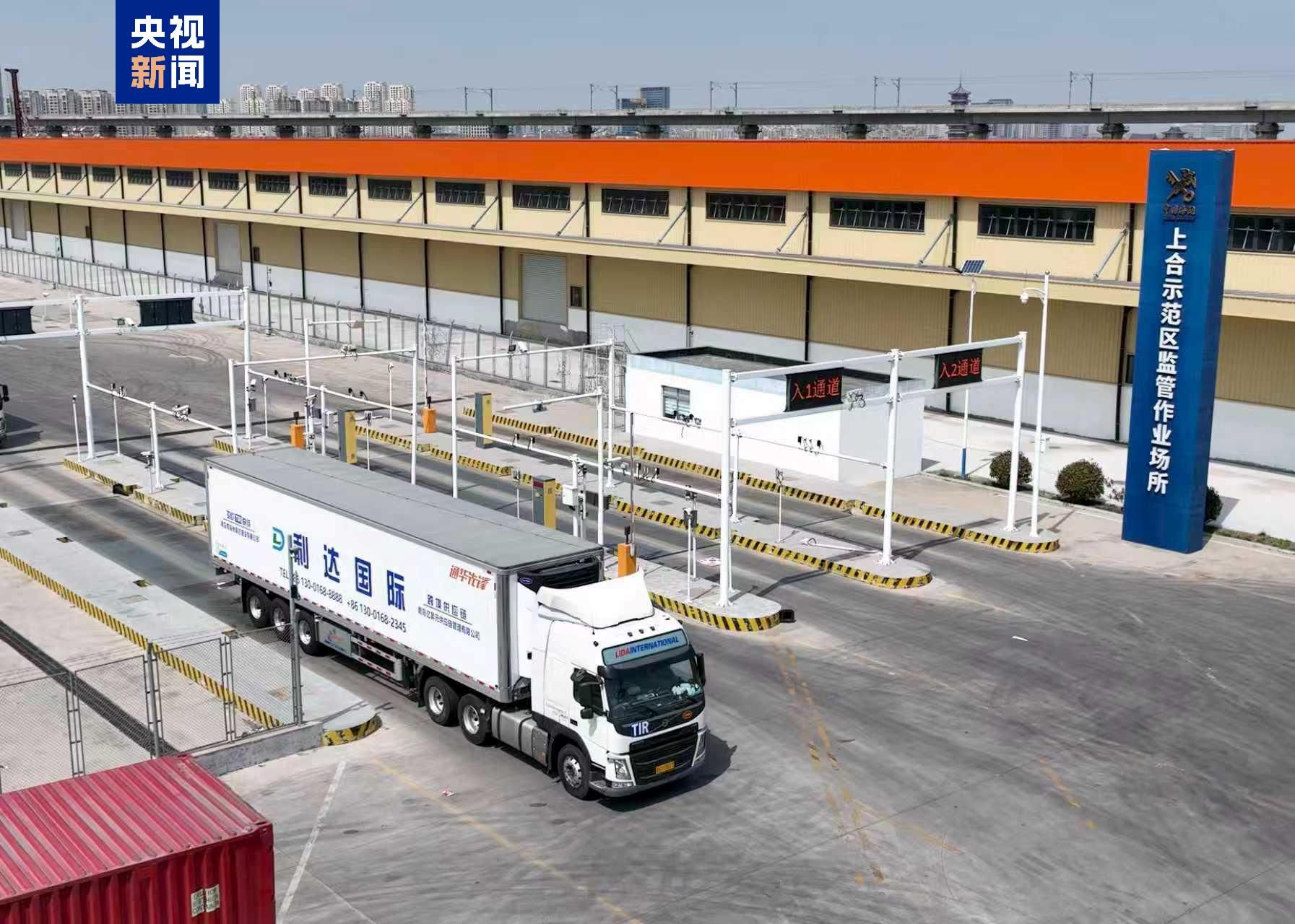
今年前10个月上合示范区TIR发运量保持全国首位
Yang Shi Xin Wen· 2025-11-28 07:03
Core Insights - The TIR cross-border transport system has seen significant activity in the first ten months of this year, with a total of 374 vehicles dispatched, carrying 5,917 tons of goods valued at 245 million yuan, maintaining the leading position in the country for TIR shipments [1][3] - TIR, known as the "fourth logistics channel," offers a global customs facilitation system for international cross-border goods transport, allowing companies with TIR qualifications to transit through member countries with minimal customs checks, thus reducing logistics costs by approximately 20% compared to traditional road transport [1][3] Group 1 - The efficient customs clearance mechanism of "one document throughout, no vehicle change or reloading" has made TIR an increasingly popular logistics choice for trade enterprises [3] - The Shanghai Cooperation Organization (SCO) demonstration zone has established four international road transport routes connecting China with Russia, Kazakhstan, Kyrgyzstan, Uzbekistan, and Belarus, forming a regional hub for international road transport [3] - In August, the SCO demonstration zone launched the Silk Road e-commerce TIR cross-border channel, exploring the new business model of "TIR + cross-border e-commerce," providing efficient logistics support for the Silk Road e-commerce comprehensive service base [3]
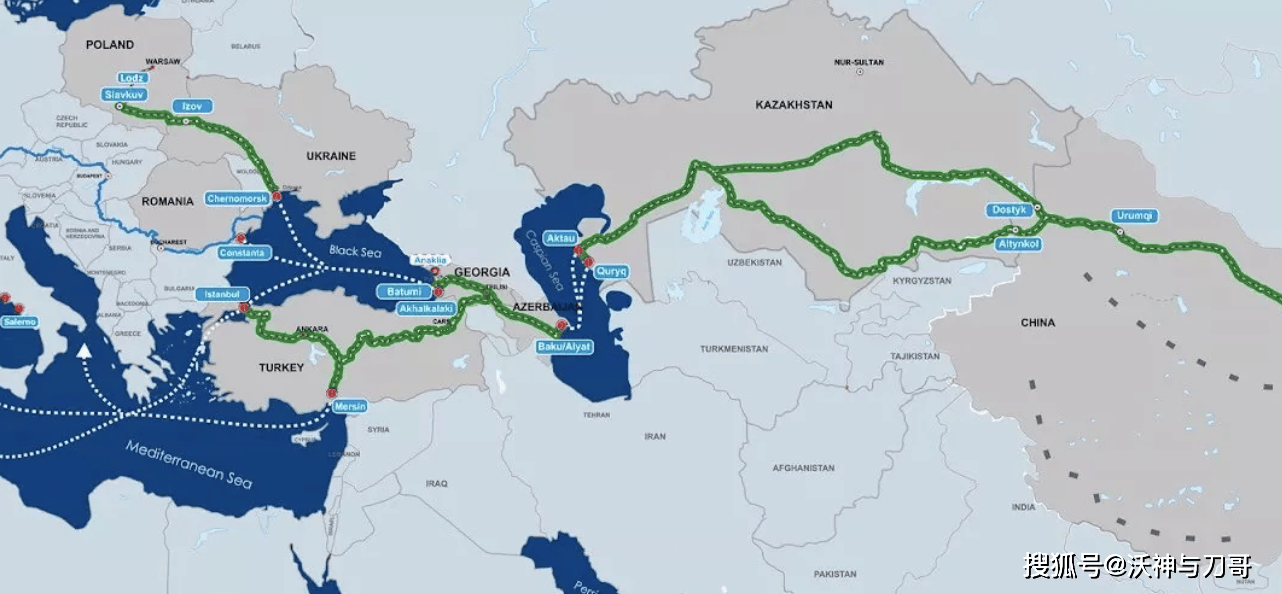
什么是里海通道?北边避开俄罗斯、南边避开伊朗的中间线路
Sou Hu Cai Jing· 2025-06-19 01:37
Core Viewpoint - The Caspian Corridor, also known as the "Trans-Caspian International Transport Route," serves as a vital logistics channel connecting China and Europe, bypassing traditional Russian routes amid the Russia-Ukraine conflict, thus becoming an alternative for Eurasian trade [2][12]. Route and Coverage - Geographic Path: Starts from Xinjiang, China (Kashgar or Horgos) [2]. - Major Nodes: - Kazakhstan: Aktau Port (core hub on the eastern Caspian) [3]. - Caspian Sea: Rail-to-ferry transfer across the Caspian Sea (approximately 3,500 km in total length) [4]. - Azerbaijan: Baku Port (logistics center on the western Caspian) [5]. - Georgia: Tbilisi (Caucasus hub) [6]. - Endpoint: Istanbul, Turkey, or Europe (e.g., Germany, Netherlands) [7]. Multimodal Transport Model - The transport model includes: - Rail from China to Kazakhstan - Ferry across the Caspian Sea - Rail/Road from Azerbaijan/Georgia to Europe [8]. Core Advantages and Strategic Value - Time and Cost Optimization: - Transport time from China to Europe is reduced to 15-20 days, compared to 45 days for traditional sea routes [10]. - Cost per standard container is approximately $2,363, slightly higher than sea freight ($1,940-$2,200), but offers advantages in low carbon emissions, fewer transshipments, and high punctuality [11]. - Geopolitical Advantages: - The corridor provides a stable alternative route amid disruptions caused by the Russia-Ukraine conflict, attracting support from Western and Central Asian countries [12]. - Economic Impact: - Kazakhstan's transit fees exceed $200 million annually, while Kyrgyzstan and Uzbekistan benefit from breaking their landlocked status [13]. - The corridor connects Kazakhstan's oil and gas resources and key minerals from Central Asia, ensuring the security of the European supply chain [14]. - Key Component of China's Belt and Road Initiative: - The corridor is prioritized in China's high-quality Belt and Road construction actions, enhancing the strategic position of Xinjiang [15]. Operational Status and Development Goals - Explosive Growth in Freight Volume: - Freight volume reached 4.1 million tons in the first 11 months of 2024 (up 63% year-on-year), with container volume at 50,500 TEUs (a 2.6-fold increase) [16]. - Freight volume was only 1.5 million tons in 2022, with projections to exceed 4.5 million tons in 2024 (a sixfold increase over five years) [16]. - Infrastructure Upgrades: - Aktau Port in Kazakhstan is set to open in June 2025, with an annual capacity of 240,000 TEUs [16]. - Baku Port expansion will increase capacity to 25 million tons/500,000 TEUs [16]. - Electrification of the Dostyk-Moyynty railway segment in Kazakhstan will increase capacity fivefold [16]. - Long-term Goals: - Targeting freight volume of 10 million tons by 2027 (current capacity is 6 million tons/year) [16]. - Projected container volume of 130,000 TEUs by 2040, according to the European Bank for Reconstruction and Development [16]. Challenges and Bottlenecks - Infrastructure Shortcomings: - Insufficient ferry capacity with only 13 ferries servicing the Baku-Aktau route, leading to mismatched port throughput and rail capacity [16]. - Low efficiency in transshipment, requiring multiple loading and unloading processes, which increases time costs (e.g., 1-2 days for transshipment at Aktau Port) [16]. - Funding Gaps: - An estimated $38.8 billion is needed for upgrades, with a financing gap of approximately $1.8 billion from the private sector [16]. - Geopolitical Tensions: - Russia's implicit resistance due to concerns over losing control in Central Asia [16]. - Great Power Competition: - The U.S. and Europe are promoting "friend-shoring" to dominate critical mineral supply chains [16]. Key Metrics Summary - Total Length: Approximately 4,766 km - Transport Time: 15-20 days from China to Europe - Freight Volume: 4.5 million tons in 2024 (410,000 tons in the first 11 months) - Container Volume: 50,500 TEUs (first 11 months of 2024) - 2027 Target: 10 million tons - Cost: $2,363 per TEU (China to Turkey) [16]. Conclusion - The Caspian Corridor is emerging as a strategic route in the Eurasian trade landscape, characterized by its efficiency, geopolitical risk mitigation, and deep integration with China's Belt and Road Initiative. Despite facing infrastructure and funding challenges, the rapid growth in freight volume and collaborative efforts among countries along the route indicate its potential for continued expansion. If bottlenecks in ferry capacity and transshipment efficiency are addressed, it could rival traditional Eurasian land bridges as a primary artery for trade [16].