Temu半托管模式

Search documents
美国降低小包裹关税,但红利时代彻底结束了
3 6 Ke· 2025-05-14 11:16
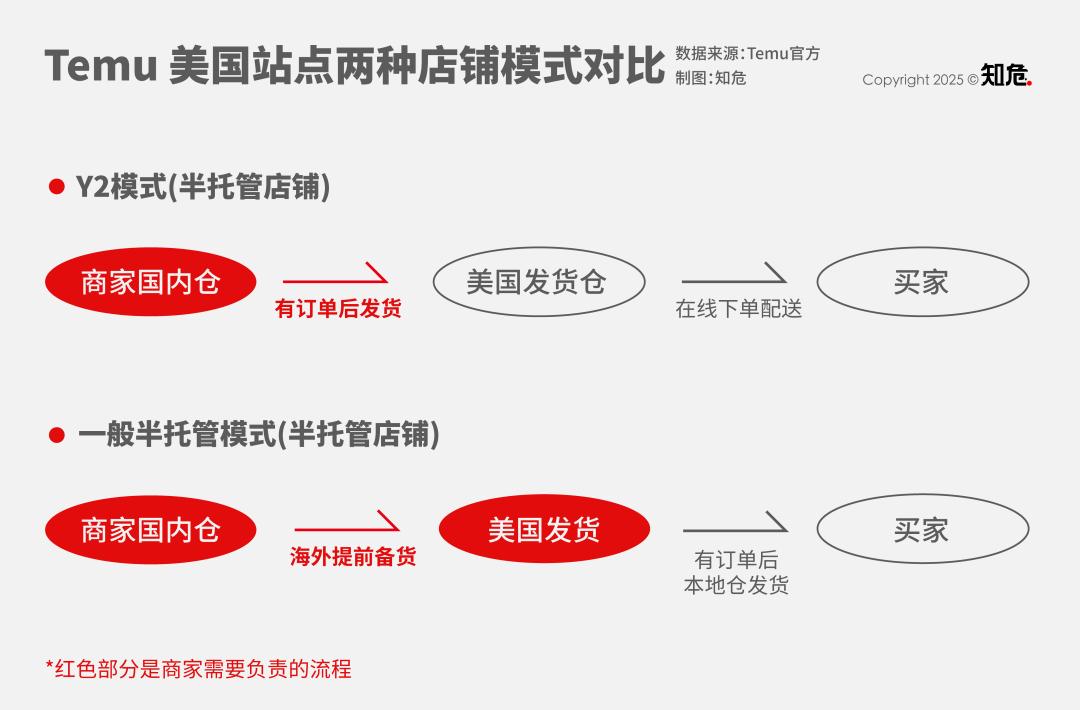
Core Viewpoint - The recent adjustments in U.S. tariff policies, particularly the reduction of small package tariffs from 120% to 54%, represent a significant shift for cross-border e-commerce platforms like Temu and Shein, although they still face increased operational costs and complexities due to ongoing changes in trade regulations [1][2]. Group 1: Tariff Changes and Impact - On May 13, 2023, President Trump revised an executive order, lowering the tariff rate on small packages from China from 120% to 54%, while maintaining a $100 de minimis threshold for customs duties [1]. - The U.S. Customs and Border Protection reported that approximately 1.36 billion packages entered the U.S. in FY 2024, primarily from Chinese e-commerce platforms, highlighting the importance of the small package exemption for these businesses [2]. - The adjustment in tariffs is seen as a positive development for platforms like Temu and Shein, but it still results in increased costs compared to the previous 0% tariff rate [2]. Group 2: Operational Adjustments of E-commerce Platforms - Temu has shifted its operational model from fully managed services to semi-managed and Y2 models, responding to the changing tariff landscape [3][4]. - The Y2 model allows sellers to ship directly from China without pre-stocking in overseas warehouses, which can help mitigate some tariff costs, but it also increases operational complexity and costs for sellers [4][6]. - The transition to the Y2 model is seen as a way for larger sellers with strong supply chains to adapt to the new environment, although it poses challenges for smaller sellers who may struggle with increased costs and operational demands [6][7]. Group 3: Market Dynamics and Seller Strategies - The changes in tariff policies and operational models have created a challenging environment for sellers, particularly smaller ones, who may find it difficult to maintain profitability under the new conditions [7][8]. - Despite the challenges, there remains a significant market demand in North America, which e-commerce platforms and sellers are reluctant to abandon [8]. - Sellers are encouraged to focus on building their brands and enhancing competitiveness to navigate the risks associated with the evolving regulatory landscape [8].

从全托到半托的阵痛与突围:解码小胡的海外货盘突围战
Sou Hu Cai Jing· 2025-05-09 11:07
Core Insights - Temu is transitioning from a fully managed model to a semi-managed model, causing uncertainty among sellers [1][3] - The semi-managed model offers sellers greater autonomy but also introduces new challenges in logistics and customer service [3][5] Group 1: Temu's Transition - The shift to a semi-managed model is a significant change for sellers, leading to confusion and anxiety [1] - Sellers must adapt to new logistics and customer service responsibilities, which requires a robust management system [3] Group 2: Partnership with HICUSTOM - HICUSTOM provides a comprehensive solution for sellers, including product selection, design, production, logistics, and after-sales service [3][5] - The partnership with HICUSTOM has significantly improved logistics efficiency and reduced costs for sellers [5][9] Group 3: Operational Efficiency - HICUSTOM's capabilities include high production capacity, with daily outputs exceeding 100,000 units, alleviating concerns about meeting demand [5] - The use of HICUSTOM's logistics management system has enhanced order tracking and customer satisfaction through features like visual tracking and timely delivery [9][7] Group 4: Future Outlook - With the support of HICUSTOM, sellers feel prepared to face future challenges and are optimistic about their growth prospects [11]