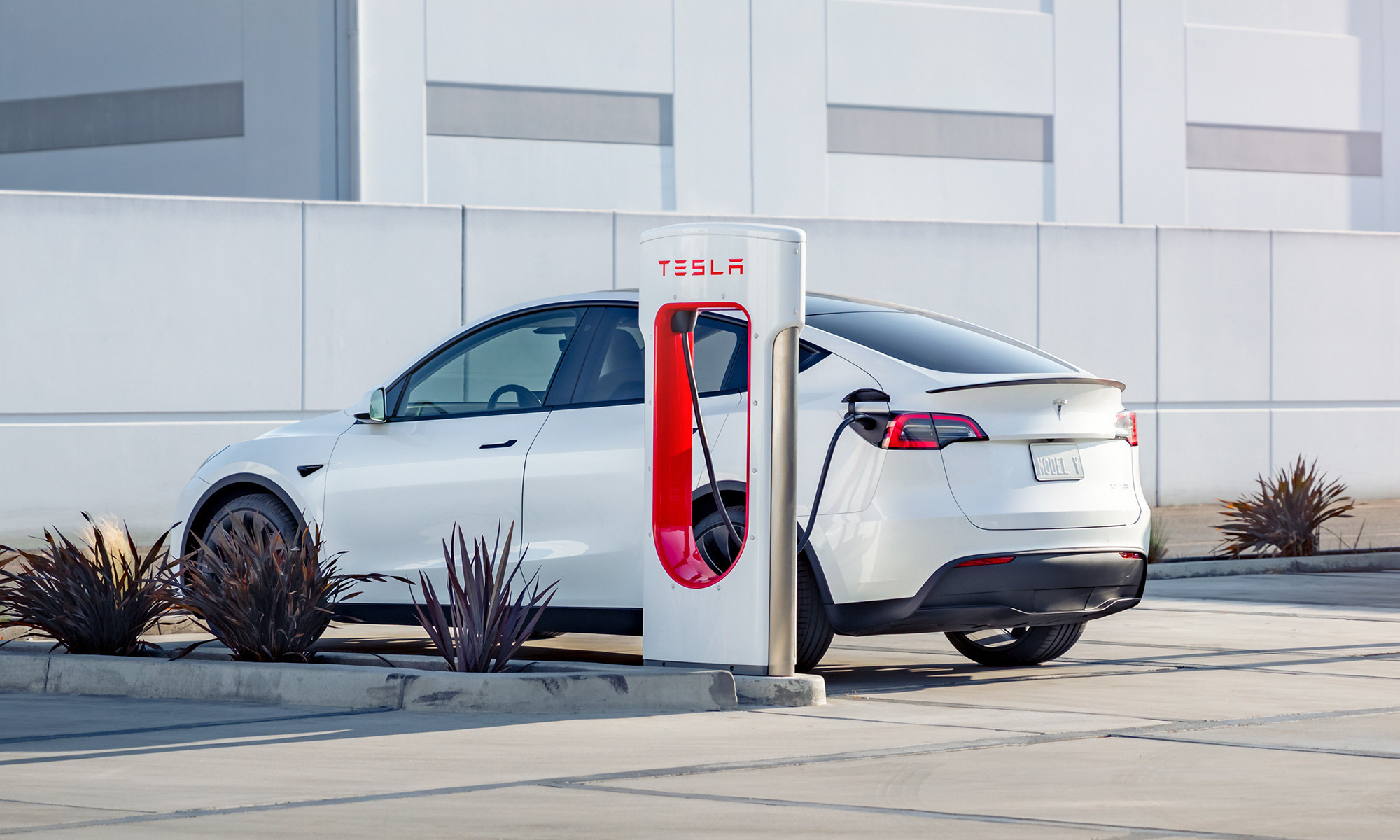
Tesla robotaxi

Search documents
Banking giant upgrades its Tesla stock price target
Finbold· 2026-03-04 13:06
Core Viewpoint - Bank of America has reinstated coverage of Tesla with a 'Buy' rating and raised its price target to $460, highlighting Tesla's leadership in autonomous driving and mobility innovation [1] Group 1: Autonomous Driving and Robotaxi Services - Tesla is expected to quickly become a leader in robotaxi services due to its ability to scale more profitably than competitors [2] - The company's camera-based autonomous driving architecture is noted to be technically challenging yet more cost-efficient compared to multi-sensor approaches used by competitors [2] - Bank of America anticipates that Tesla's strategy will enable it to scale services profitably as it expands [3] Group 2: Market Valuation and Future Projections - The early deployment of Tesla robotaxis is expected in seven new markets by the first half of 2026, potentially representing about 52% of Tesla's overall valuation [4] - The average price target for Tesla shares over the next twelve months has been pushed to $399, with Bank of America projecting a more significant rally of over 17% [6][8] - The most optimistic predictions suggest Tesla's stock could reach $600 per share [8] Group 3: Additional Growth Opportunities - Beyond automotive, Tesla's Optimus humanoid robot initiative is valued at over $30 billion, indicating significant upside potential [5] - The energy division is estimated at $90 billion, with leadership in residential and utility-scale battery storage markets, which could serve as a catalyst for long-term growth [5]


Why March 9 Could Be a Huge Day for Tesla Investors
The Motley Fool· 2026-03-01 22:29
Core Insights - Tesla is expected to deliver crucial crash data related to its full-self driving (FSD) technology to the National Highway Traffic Safety Administration (NHTSA) by March 9, which is part of an ongoing investigation [1][2] Data Review and Analysis - Tesla has reported 14 incidents involving its robotaxis since their launch in June 2025, indicating significant scrutiny on the company and its FSD rollout [2] - The NHTSA investigation initially identified only 58 incidents, and Tesla has over 8,300 records to review, suggesting challenges in data delivery but not necessarily a delay [4] - The data being reviewed spans from the early days of FSD to more recent versions, which may show either persistent issues or improvements in safety [5] Robotaxi Incident Context - The collision rate for Tesla's robotaxis is approximately one in every 57,000 miles, which is significantly worse than the U.S. average driver collision rates of one every 660,000 miles for major collisions and one every 222,000 miles for minor collisions [7] - Comparisons between robotaxi and average driver collision rates are complicated due to differences in driving environments, as robotaxis operate in urban areas rather than highways [8] - Analyzing trips rather than miles provides a different perspective, with Tesla's reported 14 accidents translating to one collision in approximately 13,289 trips based on an average trip length of 4.3 miles [9] Safety Data Insights - Tesla's safety data indicates that a major crash involving supervised FSD occurs every 5.3 million miles, compared to the U.S. average of 660,000 miles, suggesting a safety advantage for FSD technology [11] - The publicly available data on the 14 robotaxi collisions shows that many incidents occurred at low speeds or involved minimal damage, indicating a relatively low severity of incidents [12][14] Implications for Investors - The current robotaxi data may not be perfect, but it is more favorable than some media portrayals suggest, indicating potential resilience in Tesla's FSD technology [15]
Here's Why Tesla Is Now Diving Headfirst All the Way Into Robots, Solar, Robotaxis, and More
The Motley Fool· 2026-02-15 11:05
Core Insights - Tesla's core electric vehicle (EV) business is facing stagnation, prompting the company to accelerate the development of various side projects [1][4] - The company plans to diversify its offerings by adding solar panels, advancing robotaxi technology, and introducing humanoid robots priced between $20,000 and $30,000 by the end of 2027 [2][3] Electric Vehicle Business Challenges - Tesla's average per-vehicle production costs have decreased, but this has not restored the profit margins seen before the EV price wars that began in early 2023 [5] - The net profit per vehicle has dropped to just over $4,000 as of the end of last year, down from more than $10,000 in 2022 [6] - Competitors like BYD, Volkswagen, and General Motors have captured the growth in the EV market, leaving Tesla with stagnant sales [8] Market Position and Brand Perception - Tesla, once the leading brand in the EV market, is losing its appeal, which is concerning as over 70% of its revenue still comes from battery-powered vehicles [9] - The company is exploring new markets, including robotics and solar energy, but faces significant competition from other players in these sectors [14] Future Prospects and Risks - The potential for solar energy and autonomous taxis is significant, with projections indicating a $190 billion market for robotaxis by 2034 [11] - However, there are concerns about Elon Musk's history of overpromising on timelines, which could affect the development of new technologies [15] - Tesla's stock is currently priced at over 200 times the expected earnings per share of $2.06, indicating that the market is expecting high growth that may not materialize [16][20] Conclusion - Tesla appears to be shifting focus from its core EV business to explore new opportunities, which may indicate underlying challenges in its primary revenue stream [19]
Jim Cramer: Waymo's soaring valuation adds a new layer to the Alphabet buy story
CNBC· 2026-02-02 18:33
Core Viewpoint - Waymo is generating significant investor interest with a potential $16 billion financing round at a valuation of nearly $110 billion, reinforcing the bullish outlook on Alphabet stock [1] Company Overview - Waymo, originally the Google Self-Driving Car project launched in 2009, has evolved into a major player in the robotaxi business [1] - The company is currently operational in Phoenix, San Francisco Bay Area, Los Angeles, and recently expanded to Miami, with Washington, D.C. next on the list [1] Financial Performance - Alphabet shares increased by 1.4% to reach an all-time intraday high of nearly $345, marking a 9.5% rise since the start of the year [1] - The stock gained over 65% in 2025, indicating strong market performance [1] Competitive Landscape - Waymo is positioned as a leader in the robotaxi sector, outperforming Tesla's efforts in the same space [1] - Tesla's market capitalization stands at nearly $1.6 trillion, while Waymo's target valuation is significantly lower, highlighting the competitive dynamics [1] Strategic Partnerships - Waymo has partnered with Uber to expand its services to Austin and Atlanta, indicating a collaborative approach to growth [1] Future Outlook - Anticipation is building for Alphabet's fourth-quarter earnings report, with expectations of strong performance, particularly in Google Cloud and advancements in AI [1] - The company maintains a buy-equivalent 1-rating on its stock with a price target of $350 per share, reflecting confidence in its future growth [1]

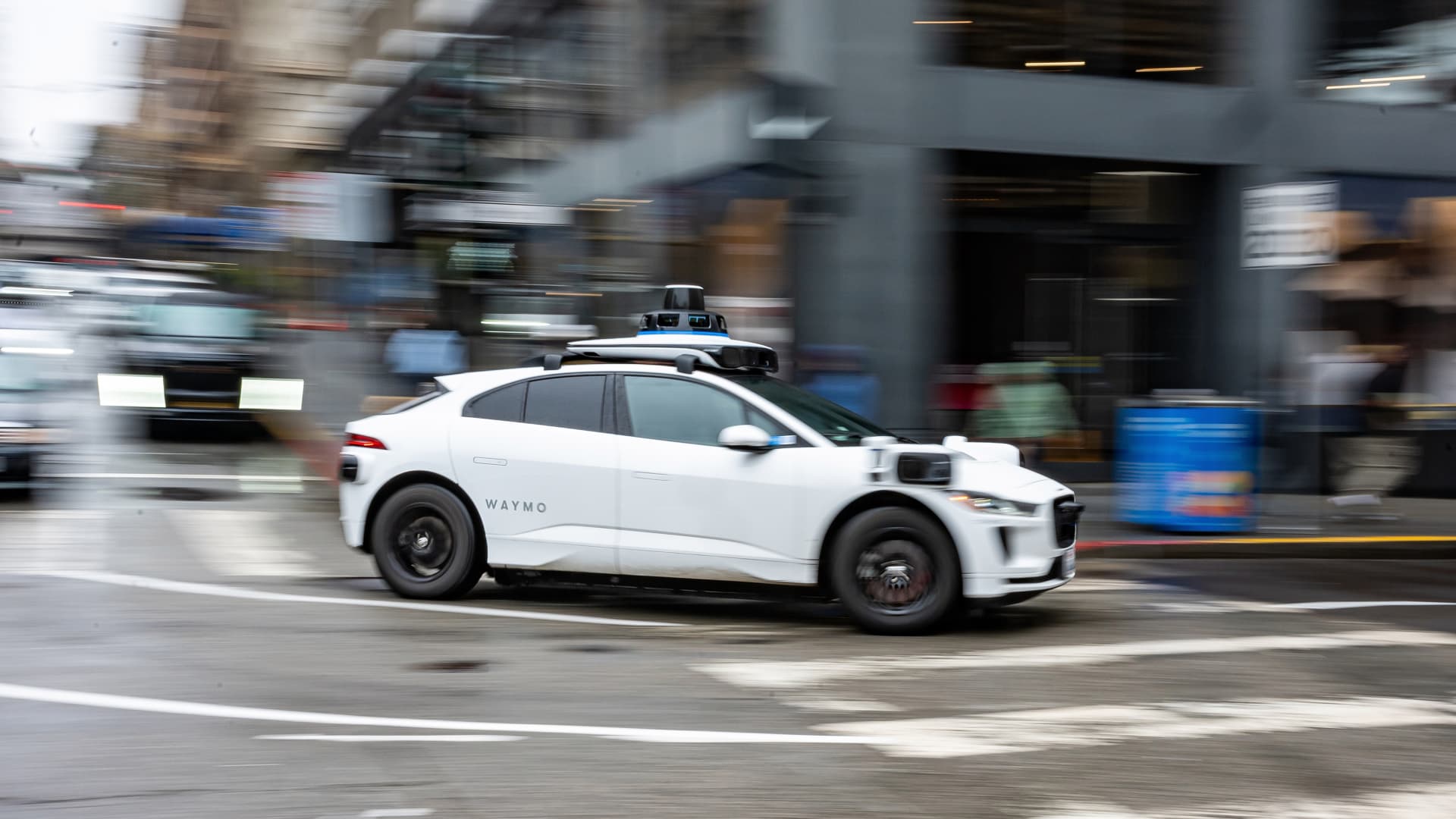
'Get Paid To Own A Tesla': Musk Pitches Airbnb-For-Cars Economy
Benzinga· 2026-01-29 13:32
Core Viewpoint - Tesla Inc is being reframed by Elon Musk as a potential income stream for vehicle owners through participation in an autonomous robotaxi fleet, allowing owners to generate revenue from idle cars [1][2]. Group 1: Robotaxi Marketplace Vision - Musk described an opt-in system for vehicle owners to add or remove their cars from Tesla's autonomous network, similar to Airbnb's model for property listings [2]. - The existing fleet of millions of AI-enabled vehicles presents an underappreciated revenue opportunity for Tesla [2]. Group 2: Autonomy as a Financial Product - Tesla vehicles are being redefined from depreciating consumer products to yield-generating AI infrastructure, allowing owners to offset or exceed ownership costs by participating in the robotaxi fleet [3]. - The company anticipates operating autonomously in numerous major cities by year-end, contingent on regulatory approval [3]. Group 3: Importance of the Model - This approach exemplifies Musk's strategy of transforming hardware into a software-driven marketplace, potentially allowing Tesla to earn a share of robotaxi revenue without significant capital expenditure on fleet expansion [4]. - The shift in Tesla ownership from a cost center to an income stream could make the robotaxi concept a compelling narrative for investors [4].

Tesla Q4 EPS Preview: Sluggish Sales & New Frontiers
ZACKS· 2026-01-28 03:11
Core Viewpoint - Tesla, a leading EV maker, is set to report Q4 earnings, with shares experiencing significant volatility since 2020, yet have quadrupled since late 2023, nearing all-time highs as earnings approach [1] Earnings Expectations - Q4 earnings report is scheduled for January 28 after market close, with EPS estimates at $0.45, reflecting a 40% year-over-year decline, and revenue expected to be approximately $24.75 billion [2] - The options market anticipates a post-market move of +/- $29.56 or 6.58%, while Tesla has historically shown an average move of 9.64% over the past eight quarters [2] EPS Surprise History - Tesla has missed Zacks Consensus Analyst Estimates by an average of 11.10% over the past four quarters, indicating a trend of underperformance [3] Legacy EV Business Insights - Tesla's legacy EV business constitutes about three-quarters of its revenue, but investors may not focus heavily on this due to three factors: bad news is already priced in, expected interest rate declines, and diversification beyond the legacy EV business [5][6] Key Earnings Drivers - Analysts predict a slowdown in Q4 EPS, with Tesla shifting focus from EVs to energy, robotaxis, and robots, which will be closely monitored by investors [8] - Tesla's energy segment is experiencing robust growth at 84% year-over-year, with potential for triple-digit growth in the coming years [10] - The Tesla robotaxi network is being tested in San Francisco and Austin, with third-party data suggesting Tesla's full-self-driving service is twice as safe as the average human driver, which could lead to regulatory approval and new revenue streams [11] - The anticipated release of the "Optimus" humanoid robot and the high-volume production of the long-delayed "Semi" truck later this year are also significant developments [12] Long-term Outlook - While facing headwinds in the legacy EV business, Tesla's long-term value will hinge on the success of its energy, self-driving, and humanoid robot initiatives, as investors assess the potential of a diversified tech ecosystem to mitigate current challenges [13]
Tesla launches robotaxi rides without a human chaperone in Austin
Business Insider· 2026-01-22 19:51
Core Insights - Tesla has launched driverless robotaxi rides in Austin without human safety monitors, marking a significant advancement in its autonomous ride-hailing initiative [1][2] - The initial rollout includes a limited number of unsupervised vehicles, with plans to gradually increase their presence in the fleet [2] - This launch follows Tesla's previous driverless service that was restricted to a small group of users with human supervisors [3] Company Developments - The introduction of unsupervised robotaxis comes after a year of significant advancements for Tesla, including predictions from CEO Elon Musk about the launch of various AI technologies [4] - Following the announcement, Tesla's stock price increased from $438.77 to just under $450, indicating positive market reaction [4] - An earnings call is scheduled for next Wednesday, where updates on Tesla's self-driving programs will be discussed [4]
特斯拉 - 奥斯汀工厂的 “零点时刻”
2025-12-16 03:30
Summary of Tesla Inc. Conference Call Company Overview - **Company**: Tesla Inc (TSLA) - **Industry**: Automotive and Shared Mobility - **Market Cap**: $1,618,293 million as of December 12, 2025 - **Current Stock Price**: $458.96 - **Price Target**: $425.00 Key Points Industry Dynamics - The automotive industry is experiencing an AI-driven inflection point, with Tesla expanding its lead in autonomous vehicle technology [1][5][15] - Tesla's robotaxi fleet is a significant focus, with plans to scale operations in Austin and San Francisco while prioritizing passenger safety [4][10] Robotaxi Development - Recent videos confirmed Tesla's robotaxi vehicles operating in Austin without a safety monitor, aligning with the company's goal to remove the monitor by year-end 2025 [3][8] - Three catalysts for scaling the robotaxi fleet include: 1. Opening the robotaxi service to the public without a safety monitor [3] 2. Improvement in safety metrics as miles driven increase without the monitor [3] 3. Start of production for the Cybercab, targeted for April 2026 [3] Fleet Expansion Projections - Tesla aims to increase its robotaxi fleet size to 1,000 vehicles on the road in 2026, up from an estimated 50-150 currently [4] - By the end of 2035, Tesla expects to have 1 million robotaxis operating across multiple cities [4] Cost Advantages - Tesla has a clear cost advantage due to vertical integration across its technology stack, including vehicle design, custom silicon, and software [10] - The Cybercab is designed specifically for robotaxi operations, which will further reduce costs and accelerate adoption [10][11] Safety and Regulatory Challenges - The ability to successfully remove the safety monitor while improving safety metrics is crucial for validating Tesla's robotaxi strategy [10] - Regulatory hurdles may limit the scaling of operations, particularly concerning the camera-only approach [10] Financial Projections - Expected EPS for fiscal years: - 2025: $1.66 - 2026: $1.98 - 2027: $2.69 [6] - Cost per mile for Tesla's robotaxi model projected to be $0.59 by 2028 [11] Risks and Considerations - Upside risks include increased FSD attach rates, successful robotaxi rollout, and new model introductions [21] - Downside risks involve execution challenges, regulatory issues, and competition from legacy OEMs and tech companies [21] Conclusion - Tesla is positioned to lead the autonomous vehicle market with its innovative robotaxi strategy and significant cost advantages, although it must navigate safety and regulatory challenges to achieve its ambitious growth targets [1][10][15]
3 Things That Need to Happen for Tesla To Double From Here
247Wallst· 2025-12-11 16:37
Core Perspective - Tesla is viewed as a polarizing growth stock, with strong opinions on both sides regarding its future potential and valuation [1][2] Growth in Core Business - Tesla's electric vehicle (EV) sales are the primary source of revenue, and profitability is significantly driven by selling tax credits associated with this core business [3] - For Tesla to double its valuation, it must improve core fundamentals, which includes selling more EVs at higher margins to a wider consumer base [4][5] Interest Rates and Cost Factors - Lower interest rates would be beneficial for Tesla, as they would lead to lower auto loan rates, enhancing vehicle sales [4] - A reduction in input costs and a shift in insurance rates would also support profitability [4] Robotaxi Monetization - The rollout of Tesla's robotaxi fleet is crucial for generating high-margin revenue, especially as growth in the core EV business may slow [6][9] - If Tesla can outperform competitors in autonomous driving, it could capture significant market share, positively impacting stock performance [7] Other Core Businesses - Tesla's energy business has shown strong momentum, with storage deployments increasing over 80% year-over-year, and analysts expect revenue to double next year [11] - The success of Tesla's AI and robotics initiatives, particularly the Optimus project, could drive sentiment and growth, although it may take time to become a profitable venture [12]
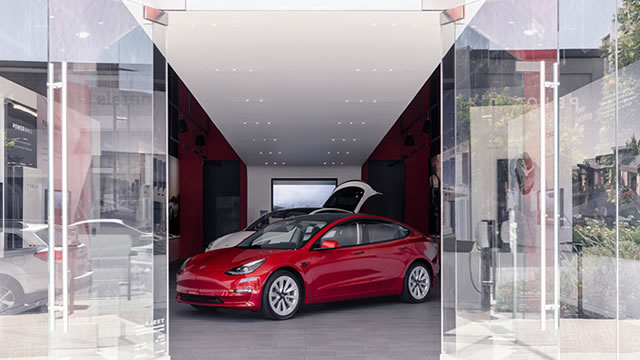
1 Bold Prediction for Tesla in 2026
The Motley Fool· 2025-11-09 11:16
Core Viewpoint - Elon Musk's prediction of "millions" of Tesla robotaxis on American streets by 2026 is viewed with skepticism, as significant challenges remain in achieving this goal [1]. Company Analysis - Tesla's current market capitalization stands at $1,429 billion, with a current stock price of $430.05, reflecting a daily change of -3.56% [2]. - The company has a gross margin of 17.01% and does not offer a dividend yield [2]. Industry Comparison - Waymo, operated by Alphabet, has been in the autonomous taxi service since 2009 and has a decade of experience in ride-sharing, which gives it a competitive edge over Tesla [2][4]. - Waymo currently operates approximately 1,500 self-driving vehicles and plans to add around 2,000 more by the end of 2025, indicating a gradual scaling process [3][4]. - The gap between Waymo's current fleet and Musk's ambitious target for Tesla highlights the challenges Tesla may face in meeting its robotaxi goals [3][4].