TikTok Lite

Search documents
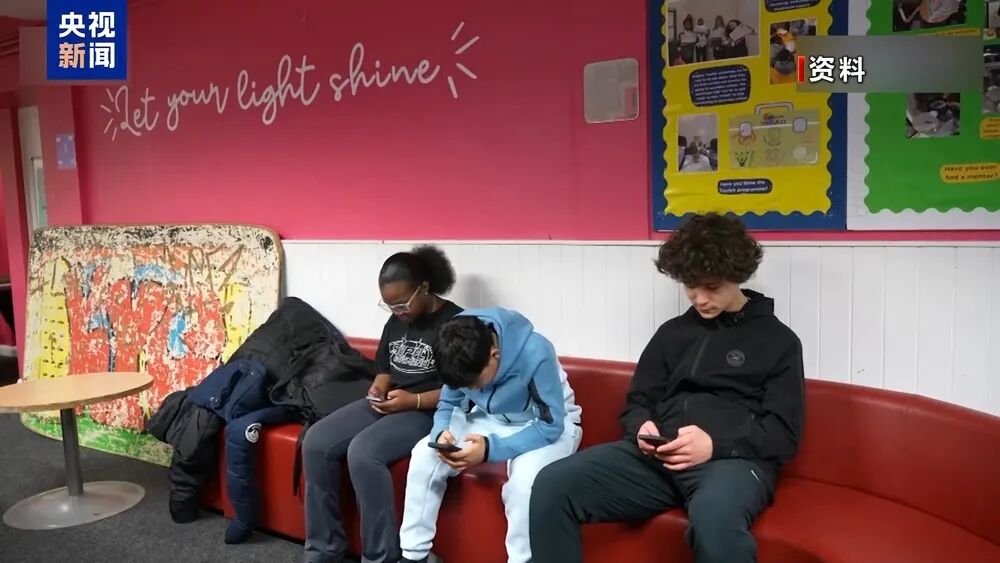
TikTok被认定存在“上瘾式”设计,欧盟:设置“屏幕使用休息”机制,禁用“无限滚动”,不改就巨额罚款,回应:调查结果完全错误
Mei Ri Jing Ji Xin Wen· 2026-02-07 14:29
Core Viewpoint - The European Commission has concluded that TikTok's design promotes addiction, violating the EU's Digital Services Act, and TikTok has labeled these findings as "completely wrong" [1][3]. Group 1: Investigations and Findings - The European Commission announced a new investigation into TikTok Lite in France and Spain, expressing concerns that the app's features could lead to addiction in children without proper risk assessments [1]. - The initial investigation revealed that TikTok failed to adequately assess the mental health impacts of its autoplay features and did not implement effective risk mitigation measures [2]. Group 2: Recommendations and Potential Penalties - The European Commission suggested several measures for TikTok, including implementing a "screen use break" mechanism at night and disabling "infinite scrolling" to prevent rapid content consumption [2]. - TikTok could face fines of up to 6% of its global annual revenue, potentially amounting to billions of dollars, unless it alters its service design in Europe [3]. Group 3: Global Trends and Legislative Actions - Various countries are enacting or considering restrictions on social media use for minors, with Australia being the first to implement a ban on social media for users under 16 [3]. - The UK and France are also moving towards similar legislation, with the UK Parliament passing an amendment to ban social media for users under 16 and France planning to enforce a ban for those under 15 [5][7]. Group 4: Challenges and Concerns - There are widespread concerns regarding the implementation of social media bans, including the potential for children to find alternative platforms and the technical challenges of age verification [7][9].

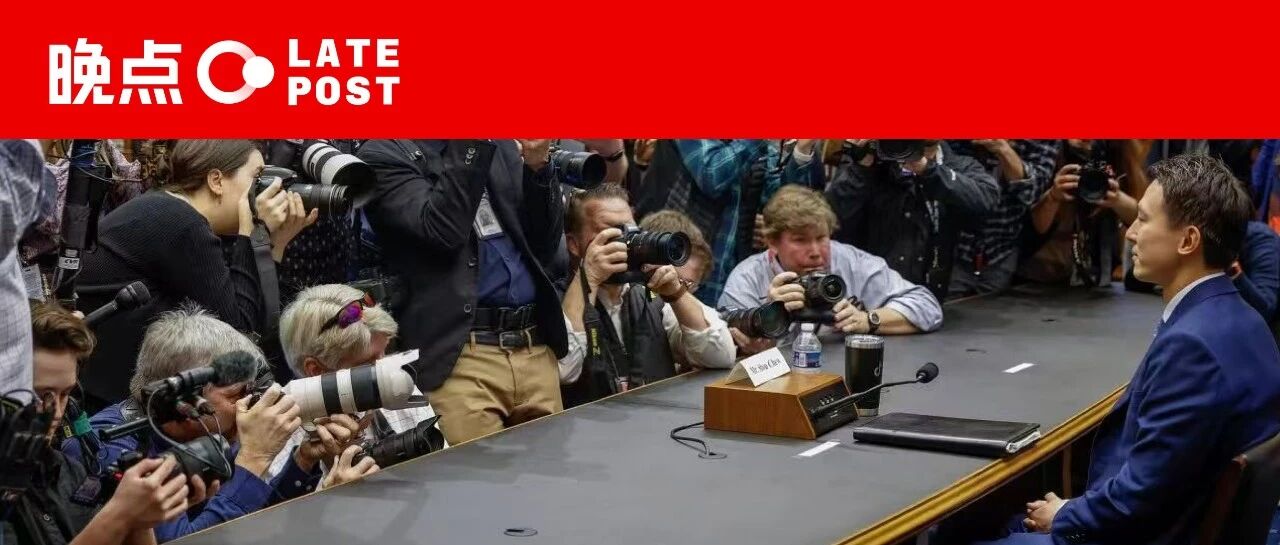
结束的开始丨TikTok 五年自救到终点,办公室安静如常
晚点LatePost· 2025-09-26 00:35
Core Viewpoint - TikTok's journey reflects the complexities of maintaining business operations amid geopolitical tensions, showcasing the challenges and adaptations required for a Chinese company in the U.S. market [3][4][36]. Group 1: TikTok's Market Entry and Growth - TikTok, launched by ByteDance in 2017, successfully penetrated the U.S. market, initially targeting Chinese tourists and overseas Chinese communities [3]. - Despite facing pressure from U.S. administrations to divest, TikTok focused on growth, which became a critical strategy for survival [4][5]. - As of September 2023, TikTok has over 100 million users in the U.S., with an average daily usage of 52 minutes per user, significantly higher than Instagram [6]. Group 2: Recent Developments and Transactions - On September 25, 2023, a new transaction structure for TikTok in the U.S. was approved, allowing a joint venture to manage the app while ByteDance retains ownership of the recommendation algorithm [5][6]. - The joint venture will include Oracle and other investors, with ByteDance holding less than 20% of the new entity [5][9]. - The deal aims to ensure TikTok's continued operation in the U.S. while addressing national security concerns [5][6]. Group 3: Financial Projections and Market Potential - eMarketer forecasts that TikTok will generate $14.3 billion in advertising revenue in the U.S. by 2025, highlighting the platform's significant market potential [7]. - The U.S. is the largest advertising market globally, with the value of digital advertising per person being substantially higher than in other countries [7]. Group 4: Employee Dynamics and Cultural Challenges - TikTok's workforce in the U.S. has seen a shift, with many Chinese employees taking on key roles, leading to communication challenges due to language barriers [26][27]. - Employees report long working hours, often exceeding 12 hours a day, and express concerns about job security amid ongoing geopolitical tensions [14][30]. - The company has implemented English proficiency assessments to improve communication among its diverse workforce [26]. Group 5: Geopolitical Context and Future Outlook - The ongoing geopolitical tensions between the U.S. and China have created an uncertain environment for TikTok, with potential implications for its operational strategies and employee dynamics [36][34]. - The company's ability to navigate these challenges will likely influence its long-term viability and the broader landscape for Chinese companies operating in the U.S. [36][34].