
Unified Payments Interface (UPI)

Search documents
Apple in Talks With Banks to Start Payment Service in India
Yahoo Finance· 2026-02-26 08:39
Core Insights - Apple Inc. is preparing to launch Apple Pay in India, engaging with major local banks and global card networks, aiming for a mid-2026 introduction [1][2][3] Group 1: Company Strategy - Apple is in discussions with ICICI Bank, HDFC Bank, and Axis Bank to facilitate the launch of its payment service in India [1] - The company is also negotiating with Mastercard and Visa to support its payment platform [2] - The planned launch is part of Apple's strategy to expand its presence in India, a market with a population of 1.4 billion and a growing middle class [3] Group 2: Market Context - Apple Pay is expected to integrate with India's Unified Payments Interface (UPI), which is a dominant player in the country's digital payments landscape [4] - Competitors in the Indian digital payments market include Google Pay, PhonePe, and Amazon, alongside local players like Paytm [5] Group 3: Regulatory Environment - India's central bank has introduced new rules allowing biometric authentication for digital payments, which aligns with Apple's payment approval methods using Face ID and Touch ID [6]

RBI Innovation Hub boosts its top deck
The Economic Times· 2026-02-11 00:30
Group 1 - RBIH has appointed multiple senior executives to enhance its leadership team, including Abhishek Poddar as chief product officer and Majiruddin Shaikh as chief technology officer [4] - Sahil Kini, cofounder of fintech startup Setu, is currently leading RBIH and is focused on expanding the team [2][4] - RBIH is developing the Unified Lending Interface (ULI), a platform aimed at consolidating lending activities across financial services firms, similar to the Unified Payments Interface (UPI) for digital payments in India [2][4] Group 2 - The company has introduced MuleHunter, a tool designed to detect mule accounts, which is being implemented in the banking ecosystem to combat payment fraud [3][4] - The primary focus areas for RBIH include fraud detection and the development of ULI [4]

SBI plans to add 6,500 staff for YONO 2.0 as it targets 200 million digital users
MINT· 2025-12-15 17:00
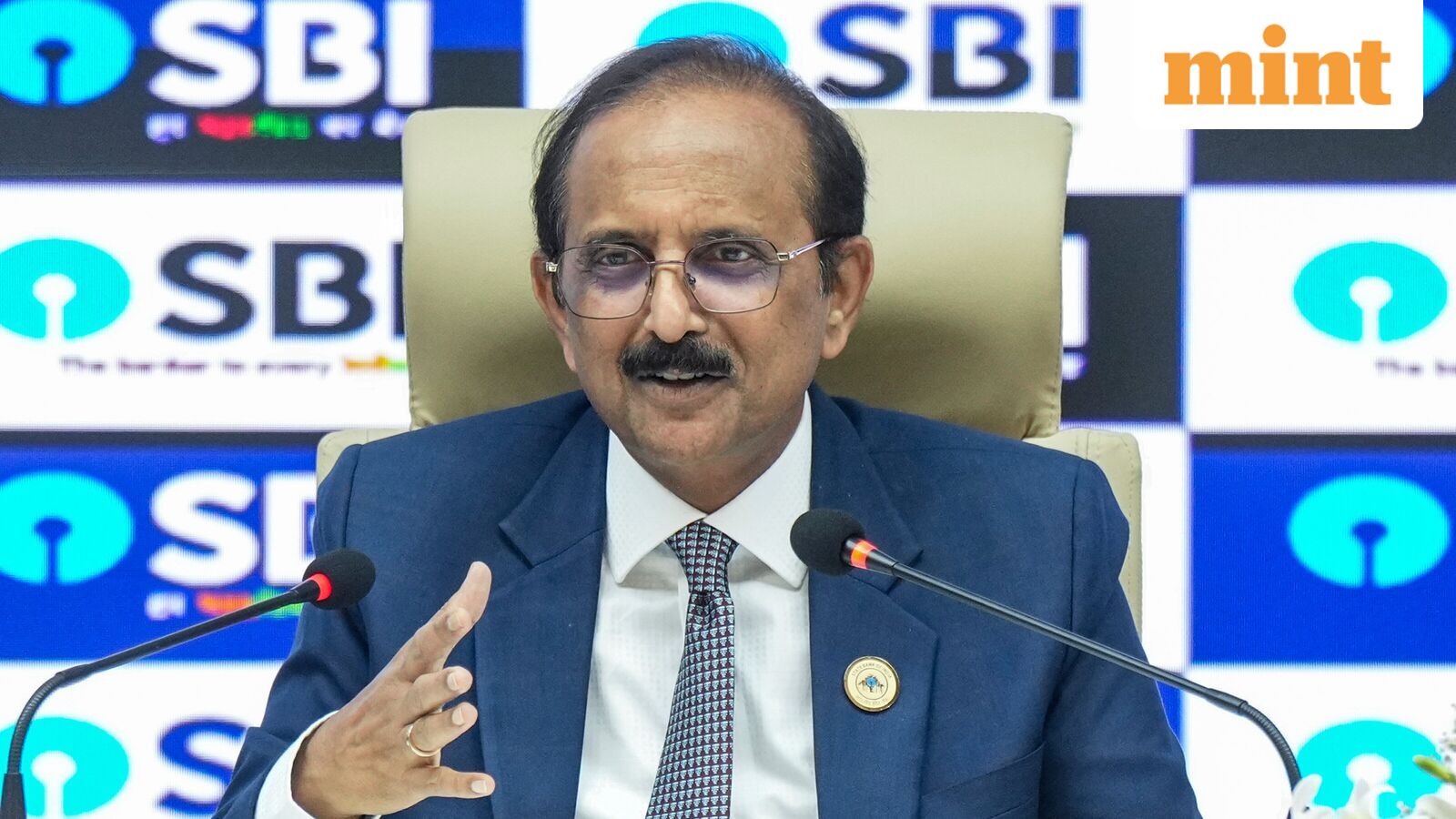
Core Insights - The State Bank of India (SBI) plans to hire approximately 6,500 employees to support its digital banking initiative, aiming to enhance customer migration to digital channels with the launch of YONO 2.0 [1][2] Group 1: Employee Strategy - SBI intends to increase its total employee count to 10,000 by March 31, 2026, with 3,500 already hired to assist customers in transitioning to the new digital platform [2] - The new hires will primarily serve as floor managers to guide customers through digital banking transactions, especially targeting first-time users [2] Group 2: Cost Efficiency - The bank estimates that acquiring a customer through digital channels costs about one-tenth of the cost associated with branch onboarding, highlighting a significant cost-saving opportunity [3] - Digital processes are expected to enhance efficiency by reducing time spent on paperwork and manual checks [3] Group 3: Customer Base Expansion - SBI currently has around 100 million customers using its mobile banking apps and aims to double this number to 200 million within the next two years, focusing on serving retail customers through digital channels [4] - The bank's immediate focus is on simplifying banking and making digital services accessible rather than monetizing the platform [4] Group 4: Digital Strategy and Features - The launch of YONO 2.0 represents a comprehensive overhaul of SBI's digital strategy, with a complete rewrite of its internet banking code and migration of nearly 35 million internet banking customers to the new system [5] - The app is designed to provide a uniform experience across mobile banking, internet banking, and branches [5] Group 5: User Experience Enhancements - YONO 2.0 offers a simpler and lighter app that functions effectively on low-memory devices and in areas with poor internet connectivity, streamlining everyday banking tasks [6] - The app includes a rebuilt UPI payments stack to compete with popular payment apps and introduces simplified KYC processes to reduce verification delays [7] Group 6: Support for Non-Users - For non-users and first-time digital customers, SBI is leveraging its branch network, providing digital kiosks and staff support to assist with app downloads, account setup, and learning digital services [8]
2026 poised for meaningful changes in retail payments
Yahoo Finance· 2025-12-12 09:22
Group 1 - The retail sector is set for a year of steady change in payment methods, focusing on integration and evolution rather than disruption [1] - Retailers and payment providers are emphasizing technologies like AI, account-to-account payments, and tokenization to enhance checkout experiences and fraud prevention [1] - There is a growing interest in digital wallet adoption, secure payment solutions, and real-time transaction options as part of payment transformation [2] Group 2 - AI is becoming essential in payment systems, with retailers using machine learning for fraud detection and transaction process optimization [3] - AI-driven fraud detection is a key focus for merchants to enhance digital payment security while maintaining customer experience [4] - Biometric authentication methods are replacing traditional passwords, increasing security and convenience in digital payments [4] Group 3 - In B2B payment flows, AI agents are expected to automate more reconciliation and workflow tasks, while consumer adoption remains cautious [5] - Account-to-account payments, especially those enabled by open banking APIs, are gaining popularity as a cost-effective alternative to card transactions [6] - Instant payment systems and open banking initiatives are driving adoption in regions with strong digital infrastructure [6] Group 4 - In Asia, India's Unified Payments Interface (UPI) is a leading system in retail payment volumes, showcasing the potential of A2A payments [7] - UPI accounted for nearly half of global real-time payment transactions, highlighting its impact on digital commerce [7] - Retailers are exploring various payment options to optimize conversion rates and enhance customer experience, particularly in e-commerce [8]
Coinbase Plots Full Comeback in India, Fiat Support Expected in 2026
Yahoo Finance· 2025-12-08 09:45
Core Insights - Coinbase has resumed user onboarding in India after a two-year hiatus, indicating a renewed commitment to the Indian market despite previous regulatory challenges [1][2][3] - The company aims to introduce a fiat on-ramp by 2026, allowing users to purchase cryptocurrency directly with local currency [4] - Coinbase has made strategic investments in the Indian crypto ecosystem, including a partnership with CoinDCX and a memorandum of understanding with Karnataka's state government [6] Company Actions - Coinbase initially launched in India in April 2022 but faced regulatory issues that led to the suspension of services by September 2023 [2][3] - The company has been actively engaging with Indian regulators to align with local compliance requirements since early 2023 [3] - Coinbase's APAC director emphasized the importance of starting fresh in the Indian market after off-boarding existing customers [5] Market Context - Other global exchanges, such as Bybit and Binance, have also returned to the Indian market after meeting local regulatory requirements and paying fines [7] - The Indian market continues to show rapid growth in digital asset adoption, despite heavy taxes and regulatory friction [1]

Banks can't rely on service providers' assurance: RBI deputy guv on technology outsourcing
MINT· 2025-12-01 13:42
Core Insights - The Reserve Bank of India (RBI) emphasizes that banks should not solely depend on third-party service providers for outsourced solutions, highlighting the need for a deeper understanding of technology and associated risks [1][2] Group 1: Digital Transformation and Risks - Banks are increasingly moving operations to cloud and third-party platforms, which raises concerns about concentration risk when multiple banks rely on the same provider [2] - A single technical glitch can now affect millions of customers, contrasting with past scenarios where issues were localized to individual branches [2][5] Group 2: Incident Management - The real challenge for banks is not if incidents will occur, but how quickly and effectively they can detect, contain, and recover from such incidents [3] - Major banks have faced significant outages this year, underscoring the importance of robust incident management strategies [3] Group 3: Past Incidents - Notable past incidents include a January 2025 outage at Barclays affecting over 20 million customers and disruptions at State Bank of India (SBI) in April 2025 [4] - The Unified Payments Interface (UPI) also experienced multiple outages, with a significant five-hour disruption on April 12, affecting inter-bank transfers and merchant payments [5] Group 4: IT Resilience and Cyber Fraud - While banks have invested in systems to detect suspicious transactions, technology alone is insufficient to combat cyber fraud [6] - Collaborative efforts, including sharing fraud typologies and working with law enforcement, are essential for enhancing IT resilience [6]
Indian Digital Payment Intelligence Corporation To Combat Fraud
Rediff· 2025-11-26 07:22
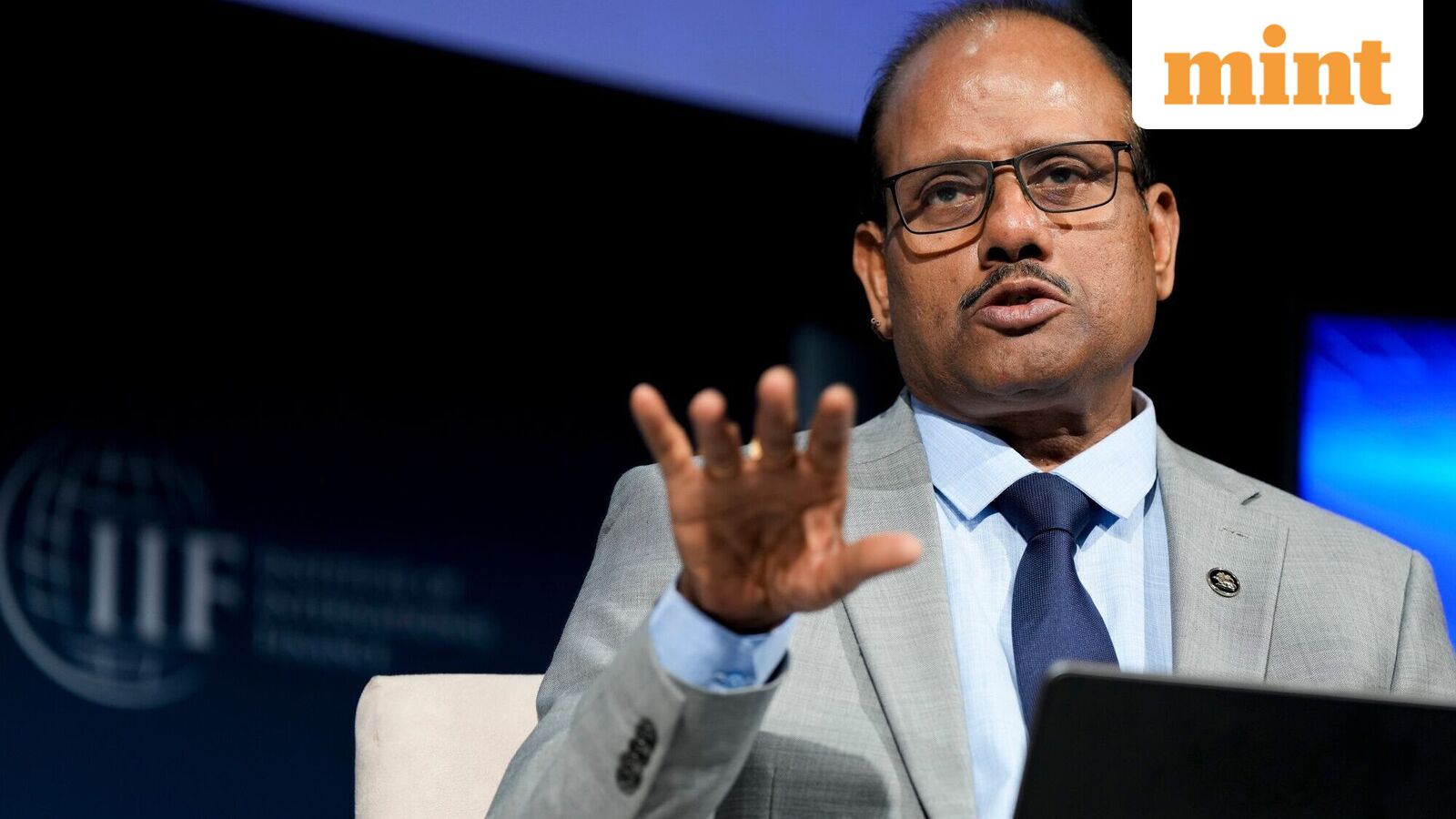
Core Viewpoint - The establishment of the Indian Digital Payment Intelligence Corporation (IDPIC) aims to enhance real-time intelligence sharing among banks and financial sector participants to combat digital fraud and protect customers [3][4]. Group 1: IDPIC Overview - IDPIC is compared to the National Payments Corporation of India (NPCI) for its potential to transform the digital payments landscape [3][4]. - The project is considered one of the most ambitious initiatives, akin to the Unified Payments Interface (UPI), and is unprecedented globally [4]. Group 2: Financial Structure - All 12 state-owned banks are expected to acquire equity stakes in IDPIC, which will have an authorized capital of ₹500 crore and a paid-up capital of ₹200 crore [5]. - The Reserve Bank of India has approved the project, indicating regulatory support [5]. Group 3: National Financial Grid - The SBI Chairman proposed the creation of a national financial grid that integrates various financial elements such as credit bureaus, eKYC facilities, UPI, and account aggregator frameworks [6]. - The Unified Lending Interface (ULI) is highlighted as a transformative step for the national financial grid, providing a unified open-access infrastructure [6]. Group 4: MSME Financing - There is a growing bank credit to micro, small, and medium enterprises (MSMEs), but unmet demand persists, necessitating their inclusion in the formal financial system [6][7]. - The concept of a "digital twin" for every MSME is introduced, which would serve as a secure, real-time digital financial identity capturing key financial data [8]. Group 5: Data-Driven Financing - The digital consolidated footprint of MSMEs would allow banks and financial institutions to access validated data for instant loan eligibility assessments, shifting financing from relationship-based to data-driven models [9]. - The focus is on four key areas: infrastructure, inclusivity, innovation, and intelligence [9]. Group 6: Technology Adoption - The importance of change management in technology adoption within banks is emphasized, highlighting the need for employee training and understanding of new applications [10]. - Reskilling and reshaping employee orientation are deemed essential for successful technology integration [10].

Festive demand, GST cuts perk up consumption in Oct, Q3 looks 'sunny': SBI Caps
MINT· 2025-11-10 13:35
Economic Growth and Consumption - India's consumption surged in October, driven by the festive season and recent GST rate rationalization, indicating economic resilience despite global uncertainties [1][5] - The economy grew at a brisk pace in the first quarter of FY26, with real GDP expanding around 7.8% and nominal GDP rising close to 8.8%, supported by resilient domestic demand [4] Consumer Spending and Indicators - A 41% year-on-year increase in vehicle sales, record digital payments, and a 25% rise in Diwali sales to over ₹6 trillion highlight strong domestic demand [2] - Manufacturing PMI expanded sharply to 59.2 in October 2025, indicating buoyant demand and productivity gains [6] Credit and Investment Outlook - Bank credit is reviving, with the credit-deposit ratio exceeding 80%, and expectations of sustainable credit growth in the medium term [7][8] - Fresh term deposit rates are expected to have bottomed out, coinciding with renewed drivers of credit growth [8] External Factors and Trade - The rupee's decline against the dollar prompted the Reserve Bank of India to intervene, selling $7.7 billion in August to stabilize the exchange rate [9] - Foreign portfolio inflows into India recovered in October, although the trade deficit remains sensitive to changes in crude prices and gold imports [10]

Stablecoins are like e-mail in a fax-machine world
The Economic Times· 2025-11-08 07:50
Core Insights - The article discusses the current state and future potential of stablecoins in the global payment landscape, highlighting the challenges and opportunities for adoption in various markets. Group 1: Current Market Dynamics - EBANX, a payments facilitator, reports that 100% of its customers are currently using fiat money, indicating that mainstream users are not yet adopting stablecoins [1] - Stablecoins like Tether's USDT and Circle's USDC are gaining traction as they serve as digital representations of fiat currencies, but they still account for less than 1% of global daily money transfer volume according to McKinsey & Co [4][10] - The market value of stablecoins is projected to grow from $315 billion to $1.6 trillion by 2030, contingent on increased adoption by shoppers [10] Group 2: Regulatory Environment - The Monetary Authority of Singapore has indicated that XSGD and XUSD are compliant with upcoming stablecoin regulations, positioning StraitsX as a major player in the Asian financial market [6][11] - Regulatory clarity is essential for the expansion of stablecoin applications, particularly in the US where there is a need to balance the interests of crypto exchanges and traditional banks [8][11] - The potential for confusion arises if issuers are required to create separate coins for different jurisdictions, which could diminish customer protection and complicate transactions [9][11] Group 3: Technological Advancements - Smart contracts are expected to play a significant role in the future of stablecoins by automating transactions and reducing costs associated with compliance checks [5][11] - The integration of stablecoins into e-commerce is seen as a promising application, with companies like EBANX enabling merchants to accept stablecoins alongside traditional currencies [10] - The article draws a parallel between the current adoption of stablecoins and the early days of email, suggesting that as technology improves, stablecoins will become more widely accepted [11]


US dollar stablecoins to raise challenges for global monetary policy, India chief economic advisor says
Yahoo Finance· 2025-10-29 10:27
Core Insights - The rising popularity of U.S. dollar stablecoins is expected to pose challenges for global monetary policy in the coming year [1] - The global market capitalization of U.S. dollar stablecoins has exceeded $300 billion, driven by favorable regulations in the U.S. [3] Group 1: Monetary Policy Implications - The introduction of dollar stablecoins will create challenges for monetary transmission and seigniorage benefits for countries [1] - Stablecoins will compete with banks as financial intermediaries and in attracting customer deposits [2] Group 2: Regional Context - India's existing instant domestic payments system, Unified Payments Interface (UPI), reduces the necessity for stablecoins compared to advanced economies [2] - India is currently not inclined to create legislation to regulate cryptocurrencies [3]