VLA动作语言大模型

Search documents
充电比加油还快?底盘比肩法拉利?2025年最强技术都有谁?
电动车公社· 2026-02-18 16:15
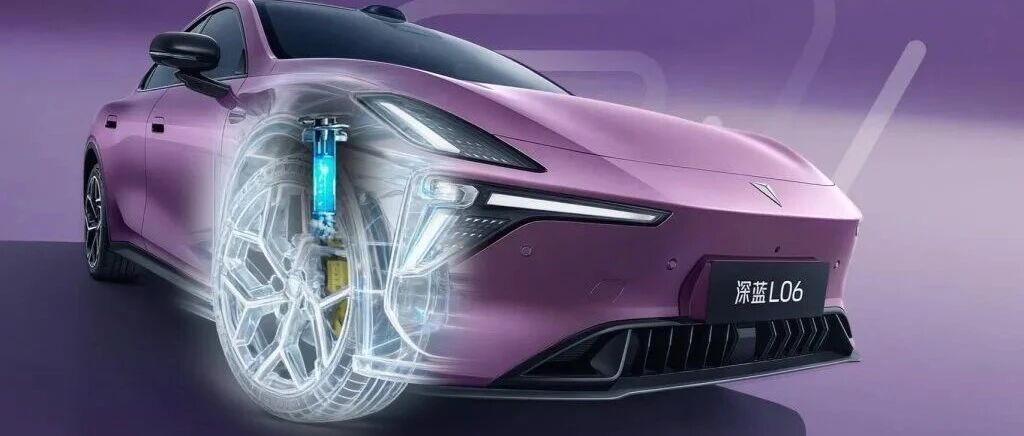
Core Viewpoint - In 2025, the penetration rate of domestic new energy passenger vehicles will exceed 50%, marking an unprecedented milestone in the industry [1]. Group 1: Technological Advancements - The acceptance and purchase of new energy vehicles are driven by technological advancements that enhance product capabilities [2]. - Key technologies emerging as new trends include semi-solid batteries, megawatt fast charging, VLA action language models, WA world models, and magnetorheological dampers [3][16][34][52][67]. Group 2: Semi-Solid Batteries - Semi-solid batteries, represented by brands like NIO and MG, are seen as a more feasible alternative to solid-state batteries, which face significant production and reliability challenges [4][5]. - By 2025, models such as NIO ET7 and MG4 will achieve mass production of semi-solid batteries [6]. - The semi-solid battery's electrolyte can be in gel or slurry form, allowing for better conductivity and safety compared to liquid batteries [9][12]. - The cost of semi-solid battery vehicles has been reduced to around 100,000 yuan, making them more accessible [14]. Group 3: Megawatt Fast Charging - BYD and CATL have introduced megawatt fast charging technology, significantly improving charging speeds, with the potential to add 400 kilometers of range in just 5 minutes [16][17]. - The technology requires supportive energy storage charging stations to mitigate the impact on the power grid [22]. - The use of silicon carbide power devices enables higher voltage platforms, reducing heat loss during charging [24][27]. Group 4: VLA Action Language Model - The VLA model, adopted by brands like Li Auto and Xpeng, enhances autonomous driving by integrating generative language tools to interpret visual data into actionable commands [34][41]. - This model allows engineers to modify generated text for better control, transforming the "black box" of AI into a more transparent system [44]. - Users can interact with the system through voice commands, improving the overall experience [45]. Group 5: WA World Model - The WA world model, utilized by Huawei and NIO, addresses the "black box" issue by simulating and understanding three-dimensional physical interactions for better driving predictions [52]. - This model focuses on cloud-based training to enhance the system's ability to handle complex scenarios [57]. - The WA model is designed to be faster and more efficient than the VLA model, with a focus on real-time decision-making [63]. Group 6: Magnetorheological Dampers - Magnetorheological dampers represent a significant advancement in chassis technology, offering rapid response times compared to traditional dampers [68][86]. - These dampers can adjust their viscosity in real-time, providing better ride comfort and handling [82]. - The entry price for vehicles equipped with magnetorheological dampers has been lowered to around 150,000 yuan, indicating potential for wider adoption [90].