半固态电池

Search documents
固态电池跟踪报告:中试关键期,产业链迎机遇
Dongguan Securities· 2026-03-31 11:12
Investment Rating - The report maintains an "Overweight" rating for the lithium battery industry, highlighting a critical period for pilot testing and opportunities within the industry [1]. Core Insights - The report emphasizes the continuous policy support for solid-state battery development, with new national standards expected to be implemented by July 2026, which will drive the industry towards safer solid-state batteries [3][10][13]. - The diversification of downstream application scenarios is identified as a significant catalyst for the commercialization of solid-state battery technology, with applications in electric vehicles, high-end energy storage, eVTOL, humanoid robots, and commercial aerospace [14][18]. - The report notes that semi-solid batteries are entering mass production, while full solid-state batteries are in a critical pilot testing phase, with major automotive companies planning to validate solid-state battery integration by 2026 [28][32]. Summary by Sections 1. Policy Support for Solid-State Battery Development - Continuous policy reinforcement from the government is facilitating the rapid rise of the solid-state battery industry, with a focus on safety standards and industrial planning [10][11]. - The new national standard for electric vehicle batteries will enforce stringent safety requirements, pushing the industry towards solid-state technology [12][13]. 2. Diversification of Downstream Applications - Solid-state batteries exhibit superior performance metrics compared to traditional liquid batteries, including higher energy density and safety, making them suitable for various emerging fields [14][15]. - Major automotive manufacturers, both domestic and international, are planning to implement solid-state batteries in their vehicles by 2027, indicating a strong market demand [16][17]. 3. Production Progress of Solid-State Batteries - Semi-solid batteries have begun small-scale production, while full solid-state batteries are entering a critical verification phase, with several companies launching pilot projects [28][30]. - The report outlines the advancements in production technology, highlighting the need for new equipment and upgrades to existing production lines for solid-state batteries [35][36]. 4. Equipment and Material Systems Benefiting from Industrialization - The equipment sector is expected to benefit significantly from the industrialization of solid-state batteries, with the market for solid-state battery production equipment projected to reach approximately 108 billion yuan by 2030 [38][39]. - The materials used in solid-state batteries are undergoing upgrades, with sulfide electrolytes showing the most potential for application in solid-state technology [39][40].
固态电池,等等再说
汽车商业评论· 2026-03-30 23:04
Core Viewpoint - The solid-state battery technology is still in its early stages, with significant challenges remaining before it can be commercially viable. The industry is experiencing a disconnect between ambitious announcements and actual technological progress [3][21][38]. Group 1: Industry Perspectives - In 2023, solid-state batteries have not gained widespread attention in China, while liquid lithium batteries continue to thrive [3]. - The rapid announcements of solid-state battery production plans by various companies have created a "rush" mentality, where firms feel pressured to declare timelines to avoid being perceived as lagging behind [18][19]. - The solid-state battery has been touted as a disruptive technology, but many companies have been criticized for making exaggerated claims without substantial evidence [7][9][19]. Group 2: Technical Challenges - The primary technical hurdle for solid-state batteries is the "solid-solid interface contact problem," which complicates the movement of ions between solid materials [26][27]. - Current solid-state battery technologies are still largely experimental, with many companies struggling to transition from lab-scale prototypes to mass production [21][22][29]. - The industry is facing significant engineering challenges, including maintaining stable interfaces under dynamic conditions, which are not easily replicated in real-world applications [28][30][32]. Group 3: Market Dynamics - The solid-state battery market is characterized by a mix of optimism and skepticism, with many companies hedging their announcements by using terms like "verification" or "small batch" rather than committing to full-scale production [34]. - The timeline for achieving commercial viability for solid-state batteries is projected to extend beyond 2030, with ongoing research and development required to address fundamental technical issues [37][38]. - Companies like CATL are cautious in their approach, focusing on alternative solutions like semi-solid batteries while delaying aggressive commitments to solid-state technology [42].

固态电池上电摩,机会几何?
高工锂电· 2026-03-25 11:12
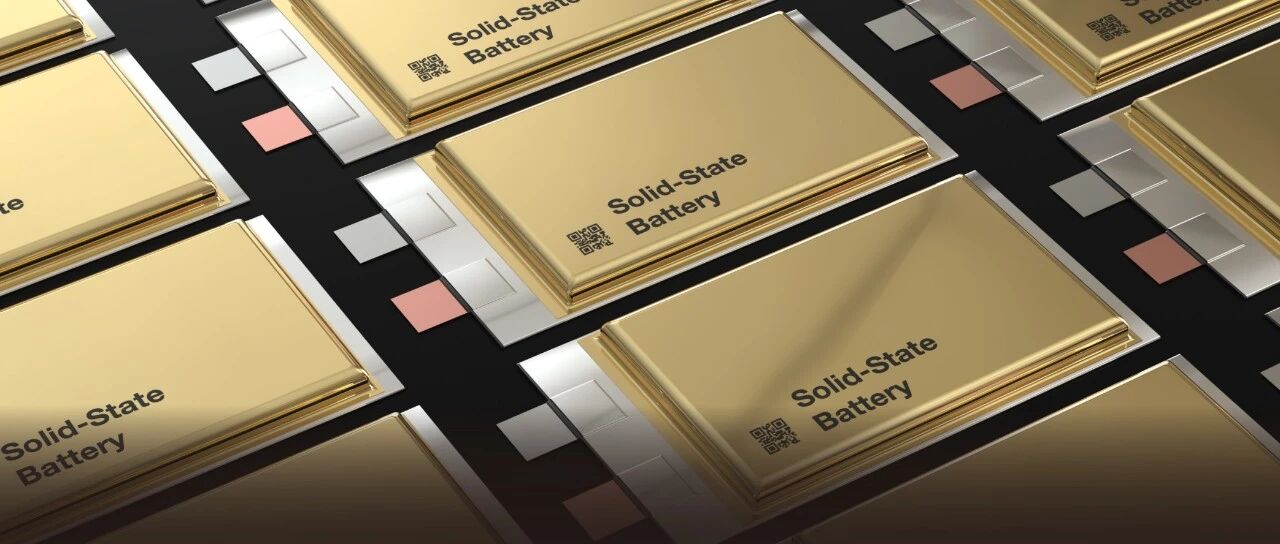
Core Viewpoint - The article emphasizes the transition of solid-state batteries from theoretical development to practical applications, particularly in the electric motorcycle sector, highlighting the importance of real-world scenarios for validating technology [3][11]. Group 1: Event Details - The "2026 Solid-State Battery Technology and Application Summit" will take place on April 23, 2026, at the Kaiyuan Mingdu Hotel in Hangzhou, Zhejiang [2][13]. - The summit will focus on the theme "Scene Landing, Mass Production Challenges," indicating a shift towards practical applications of solid-state battery technology [3]. Group 2: Industry Developments - Taiblue New Energy and Yadi have successfully integrated semi-solid-state batteries into the Yadi Crown Starship II-200L electric motorcycle, achieving a range of approximately 112 kilometers with a battery system of 72V 109Ah [5]. - Degas Energy announced its "Extreme Safety" solid-state battery in collaboration with a high-end domestic electric motorcycle brand, achieving significant order volumes and production capacity [5]. Group 3: Application Categories - The exploration of solid-state batteries in the electric motorcycle sector can be categorized into two types: 1. Completed vehicle or system integration cases, such as the collaboration between Taiblue New Energy and Yadi [5]. 2. Scenario-based pilot projects, like the full solid-state battery electric bicycle battery swap project initiated by Pure Lithium New Energy and Yadi in Beijing [7][8]. Group 4: Market Dynamics - The current two-wheeler market predominantly relies on lead-acid batteries due to their low cost and established systems, while lithium batteries, particularly lithium iron phosphate, are gaining market share due to safety and cost advantages [8]. - High-end electric motorcycles demand batteries that enhance range and performance while minimizing safety risks, indicating a need for advanced battery technologies [8][10]. Group 5: Future Outlook - Solid-state and semi-solid-state batteries are beginning to show practical significance in the electric motorcycle market, with their thermal stability being particularly important in less protected two-wheeler environments [9]. - The upcoming summit aims to clarify which scenarios have adopted solid-state batteries, which paths are nearing mass production, and which technologies remain in the validation phase [11][12].


20亿元!卫蓝新能源固态电池项目签约
鑫椤锂电· 2026-03-23 08:11
Core Insights - The article discusses the significant developments in the solid-state battery industry, highlighting a new project in Guangdong with an investment of 2 billion yuan and an expected annual output value of 2.4 billion yuan [1]. Group 1: Project Overview - The Guangdong solid-state battery industrial park and research institute project is a collaboration between Beijing Weilan New Energy Technology Co., Ltd. and Guangdong Energy Group, aiming to create a strong partnership between a leading technology enterprise and a provincial energy industry platform [2]. - The project will cover an area of approximately 215 acres and is expected to generate an annual output value of 2.4 billion yuan [1]. Group 2: Product Development - Weilan New Energy has developed various products using its core "in-situ solidification" technology, including 360Wh/kg power cells and 320Wh/kg low-altitude economic cells, which are now in the commercialization stage [2]. - The company has a current production capacity of 5.6GWh for semi-solid-state batteries, which meets the current market demand [3]. Group 3: Future Expansion - Weilan New Energy is actively preparing for further expansion, focusing on establishing production bases in Beijing, Guangdong, and Huzhou to capitalize on industry growth opportunities [3].
锂电大淘沙,走到而立之年的欣旺达凭什么?
汽车商业评论· 2026-03-18 23:05
Core Viewpoint - The article highlights the strategic evolution of XINWANDA, emphasizing its commitment to high-end battery technology over low-end markets, which has allowed the company to thrive in the competitive lithium battery industry [5][10][96]. Group 1: Company Development and Strategy - XINWANDA has achieved significant milestones, including the mass production of semi-solid batteries and plans for solid-state battery trials, alongside a successful listing on the Hong Kong Stock Exchange to fund overseas expansion [3]. - The company has navigated through industry cycles and challenges, focusing on high-end markets rather than quick profits from low-end products, which has been a core part of its survival strategy [5][10]. - The decision to avoid low-end markets was based on the understanding that such paths would not yield sustainable competitive advantages, especially as the smartphone market evolved [11][12]. Group 2: Key Partnerships and Quality Management - XINWANDA's breakthrough came when it secured an emergency order from Philips, which allowed it to demonstrate its capabilities and gain credibility in the high-end market [17][23]. - The company underwent a significant transformation in quality management, adopting international standards and rigorous processes, which were further refined through partnerships with major clients like Huawei and Renault-Nissan [30][36][55]. - The collaboration with Huawei introduced stringent quality control measures, pushing XINWANDA to enhance its operational standards and management systems [32][34]. Group 3: Technological Advancements and Market Position - XINWANDA strategically focused on HEV (Hybrid Electric Vehicle) batteries, which presented a less competitive landscape compared to pure electric vehicles, allowing the company to build a strong technological foundation [46][48]. - The company has established itself as a leader in the HEV battery market, achieving the top position in China for five consecutive years from 2021 to 2025 [56]. - XINWANDA's advancements in high-power battery technology have enabled it to address critical issues in the electric vehicle sector, such as range anxiety and charging speed [58][66]. Group 4: Global Expansion and Sustainability - As the global market for electric vehicles evolves, XINWANDA is adapting to stringent ESG (Environmental, Social, and Governance) requirements, ensuring its products meet international sustainability standards [68][73]. - The company has invested heavily in developing a comprehensive carbon footprint management system, which extends to its supply chain partners, promoting a collaborative approach to sustainability [75][76]. - XINWANDA's commitment to R&D remains strong, with approximately 6% of its revenue allocated annually to innovation, ensuring it stays at the forefront of battery technology [94]. Group 5: Long-term Vision and Industry Impact - XINWANDA's growth trajectory reflects a broader narrative of resilience and strategic foresight within China's manufacturing sector, emphasizing the importance of long-term planning and adherence to industry standards [87][98]. - The company has cultivated a culture of self-reflection and continuous improvement, which has been crucial in navigating challenges and seizing opportunities in the dynamic battery market [88][90]. - XINWANDA's evolution from a manufacturing entity to a comprehensive energy solutions provider illustrates the potential for Chinese companies to lead in high-tech industries through innovation and collaboration [83][99].

【新能源周报】新能源汽车行业信息周报(2026年3月9日-3月15日)
乘联分会· 2026-03-17 08:37
Industry Information - The Ministry of Transport will enhance high-power charging capabilities at highway service areas to alleviate the difficulties of finding charging stations and long waiting times for electric vehicle owners. Currently, the coverage rate of charging facilities at highway service areas is 98.8% [7] - National Committee member Jiang Haoran suggests accelerating the large-scale application of high-level autonomous driving, addressing issues such as outdated laws and regulations, limited application scope, and insufficient integration of infrastructure [8] - National People's Congress representative Liu Wu advocates for the acceleration of "fiber optics on vehicles" to resolve bandwidth anxiety in smart connected vehicles, emphasizing the limitations of traditional copper cables [9] - Honeycomb Energy reported that 39% of its overseas shipments in January-February 2026 were for electric vehicles, indicating a strong global expansion strategy [9] - CATL forecasts a net profit of 72.2 billion yuan for 2025, a year-on-year increase of 42.28%, with a projected revenue of 423.7 billion yuan [10] - The Ministry of Industry and Information Technology emphasizes the need to accelerate the research and promotion of advanced process technologies to improve the comprehensive utilization of electrolytic manganese slag [11] - The first domestically produced high-performance automotive-grade MCU chip by Fenghuo Communication will enter mass production this year, marking a significant step in domestic automotive electronics [12] - The first automotive-grade chip packaging and testing factory in China has been established in Shanghai, enhancing the domestic supply chain for automotive chips [13] - Insurance companies are exploring the "separation of vehicle and battery" model for car insurance, which may reduce costs for electric vehicle consumers but requires further development before widespread adoption [14] - Guoxuan High-Tech has commenced construction of a new industrial park in Ganzhou with an initial investment of 3.2 billion yuan, focusing on low-altitude economic power batteries [15] - The "14th Five-Year Plan" supports the new battery industry, promoting high-quality development through a three-fold closed-loop strategy [15] - Sodium-ion battery technology is entering a new phase of large-scale application, with major players accelerating their layouts in this area [15] - Hunan Highway Group and BYD are collaborating to implement a 5-minute fast charging solution across the province's highway service areas [16] - In February, the domestic power battery installation volume reached 26.3 GWh, with a year-on-year increase of 11.4% [17] - The Ministry of Industry and Information Technology is organizing the selection of the first batch of national emerging industry development demonstration bases, focusing on key sectors such as AI and smart connected vehicles [20] - Weinan Battery has signed a contract with Wuhan East Lake High-tech Zone to establish a new infrastructure project with a total investment of 9.8 billion yuan [20] - Academician Ouyang Minggao predicts that the next five years will see significant advancements in seven key technology directions for new energy vehicles [20] - Chinese companies are actively participating in the development of the "Battery Valley" in France, enhancing the local electric vehicle supply chain [20] Policy Information - Qingdao, Shandong, will issue 250 million yuan in subsidies for vehicle trade-ins, with a maximum subsidy of 120,000 yuan for personal purchases of new energy vehicles [22] - The Guangdong government is accelerating the development of high-level autonomous driving and establishing safety sandboxes for comprehensive testing [24] - Chengdu has launched a new round of automotive consumption rewards, offering up to 8,000 yuan in subsidies for new car purchases [27] - Yibin, Sichuan, aims to strengthen its photovoltaic industry chain, targeting a scale of 40 billion yuan by 2026 [28] - The Zhangjiakou government plans to improve electric vehicle charging infrastructure, with 1,196 new charging facilities to be constructed [28]




固态电池“黑马”,签约机器人、无人机
DT新材料· 2026-03-13 16:05
Core Viewpoint - TianNeng Battery Group is advancing its solid-state battery technology through strategic partnerships and has achieved significant milestones in production capabilities and product applications [1][2]. Group 1: Strategic Partnerships - On March 12, TianNeng Battery Group established deep strategic collaborations with four companies: Xingluo Intelligent, Qiyuan Robotics, Tianhong Lithium Battery, and Kaige New Energy, focusing on solid-state battery technology for applications in drones and robotics [1]. - The partnerships aim to transition solid-state batteries from laboratory settings to real-world applications, enhancing product integration and data feedback loops [1]. Group 2: Technological Advancements - TianNeng has made significant progress in the solid-state battery sector, with its products passing the first performance tests by the Ministry of Industry and Information Technology and achieving pilot production capabilities [2]. - The company has developed high energy density cells, with series products like "Rock," "Star," and "Pulse" being applied in high-end electric motorcycles, drones, and intelligent devices [2]. Group 3: Company Overview - TianNeng Battery Group, founded in 2003 and located in Huzhou, Zhejiang Province, operates over ten production bases across five provinces in China and has more than 60 subsidiaries [2]. - The company specializes in the research, production, and sales of various battery types, including power batteries for electric special vehicles, new energy vehicles, and energy storage batteries [2].

火力全开,16个固态电池项目密集上马
高工锂电· 2026-03-13 11:05
Core Viewpoint - The solid-state battery industry in China is experiencing a new wave of construction and production, with over 16 projects launched or signed since the beginning of 2026, indicating a significant growth trend in this sector [2][3]. Group 1: Project Launches and Production - Since the beginning of 2026, more than 16 solid-state battery and material projects have been launched or signed across various provinces including Jiangsu, Zhejiang, Guangdong, Hubei, Fujian, and Shanghai, with 8 projects in production and 8 new projects signed [3]. - The projects cover key areas from core electrolyte materials to solid-state batteries, reflecting a comprehensive development in the industry [3]. Group 2: Project Details - The first project, "Hashakankai," is the first mass production solid-state battery base in China, launched on January 10 in Huai'an, focusing on oxide electrolytes [5]. - "Jinyu New Energy" launched a 1.2GWh solid-state battery project on January 15 in Hangzhou, producing semi-solid state batteries with an energy density of approximately 220Wh/kg [5]. - "Xinjie Energy" initiated a 2GWh solid-state battery production line on February 10 in Hangzhou, targeting applications in drones and electric vehicles [5]. - "Foshan Low-altitude Economy Solid-state Battery Project" commenced on February 25, with a total investment of 1.6 billion yuan and an expected annual output value of 1 billion yuan [5]. - "Kunshan Solid-state Battery Project" started construction in late February with an investment of 693 million yuan [5]. Group 3: Industry Trends - The current trend shows that semi-solid state batteries are leading in commercial applications, while full solid-state batteries are in the pilot production and commercial exploration phase [7]. - Among the launched projects, those utilizing oxide electrolyte routes are progressing faster in terms of production and commercialization compared to others [8]. - The industry is seeing a rise in the number of companies focusing on solid-state battery materials, with notable participation from listed companies like Zijin Mining and Zhihui Technology, which are concentrating on electrolyte materials [9]. Group 4: Future Outlook - The solid-state battery industry is expected to continue its upward trend, with more significant full solid-state products anticipated to be launched in the second half of the year [9].


清陶能源完成新一轮融资
高工锂电· 2026-03-02 11:19
Core Viewpoint - Daode Investment has recently completed a new round of investment in Qingtai Energy, emphasizing the significance of solid-state batteries as the next-generation power battery technology [2][3]. Investment Overview - Daode Investment's support for Qingtai Energy focuses on advancing technology and expanding production capacity in the solid-state battery field, as Qingtai is one of the few companies globally to achieve mass production of semi-solid batteries [3]. - The recent funding allows Qingtai to re-enter the market spotlight after a relatively quiet capital window, indicating the need for higher-density and long-term capital to support production line scaling, material iteration, and vehicle validation cycles [5]. Strategic Partnerships - The last significant public investment in Qingtai was from SAIC Group, which announced an additional investment of up to 2.7 billion yuan in May 2023, establishing a deep partnership in the solid-state battery path [6]. - A key transaction occurred on August 27, 2025, when Huayu Automotive announced a cash acquisition of a 49% stake in SAIC Qingtai Energy Technology Co., changing the ownership structure and emphasizing the importance of solid-state technology within the supply chain [7]. Production and Development Milestones - By the second half of 2025, Qingtai's Anting solid-state battery production line is expected to complete full-line commissioning, with sample vehicle testing planned for 2026 and commercial delivery anticipated in 2027 [8]. - In July 2025, Qingtai's solid-state battery material project in Wuhai entered trial production, with plans for an annual output of 50,000 tons of solid-state battery materials and a total investment of 7 billion yuan [9][10]. Market Trends and Capital Flow - The investment in Qingtai aligns with a broader trend in the industry, where funding is directed towards industrialization rather than merely improving laboratory metrics, as seen with other companies like Tailing New Energy and Solid Power [13][14]. - The competitive landscape for solid-state batteries has shifted from merely achieving impressive metrics to developing replicable manufacturing capabilities, with Qingtai's strategic moves indicating a focus on industrialization through organizational structure and supply chain engineering [15].
动储收官迎新高,碳酸锂趋势反转 | 投研报告
Zhong Guo Neng Yuan Wang· 2026-02-24 02:36
Core Insights - The lithium battery sector is experiencing significant price increases, with lithium carbonate rising to 170,000 yuan/ton (+42% MoM) and lithium hydroxide to 165,000 yuan/ton (+62% MoM) [1] - In December, China's wholesale sales of new energy passenger vehicles reached 1.42 million units, showing a year-on-year increase of 26% [1] Group 1: Lithium Battery Market - The lithium battery sector has shown strong performance since January 2026, outperforming major indices like the CSI 300 and SSE 50 [2] - The lithium-related sectors have seen monthly transaction values increase, with the low-altitude economy segment rising by 44% [2] - The market is currently focused on the lithium battery sector, with many segments at historically high valuation levels [2] Group 2: Carbonate Lithium Cycle and New Technologies - The lithium carbonate market is undergoing a cyclical reversal, driven by inflation in the supply chain and the emergence of new technologies like sodium batteries [3] - Historical analysis indicates that from 2015 to 2025, lithium carbonate has experienced two complete cycles, with the next upturn expected to be driven by domestic energy storage capacity subsidies and new energy vehicle replacement policies [3] Group 3: New Energy Vehicle Sales - December saw a mixed performance in the new energy vehicle market, with China and Europe showing strong growth while the U.S. market faced challenges [4] - In December, new energy vehicle sales in China, Europe, and the U.S. were 1.42 million, 300,000, and 80,000 units respectively, with year-on-year growth rates of +3%, +35%, and -35% [4] Group 4: Energy Storage Developments - In December, China's energy storage installations reached 63 GWh, a significant increase of 95% MoM and 441% YoY, driven by year-end project completions [5] - The U.S. energy storage market saw a total installation of 39 GWh for the year, with a year-on-year growth of 39%, although this was below expectations due to uncertainties from the Inflation Reduction Act [5] Group 5: Price Trends and New Technologies - Lithium salt and cathode materials have seen strong price increases due to policy changes, with lithium carbonate and lithium hydroxide prices rising by 74% and 95% respectively [6] - The solid-state battery industry is accelerating towards commercialization, with significant advancements in production and technology expected by 2025 [7] Group 6: Investment Recommendations - The lithium battery sector is poised for a price and volume surge in 2026, with a focus on companies involved in lithium, separators, and solid-state technology [8]