VTEC发动机

Search documents
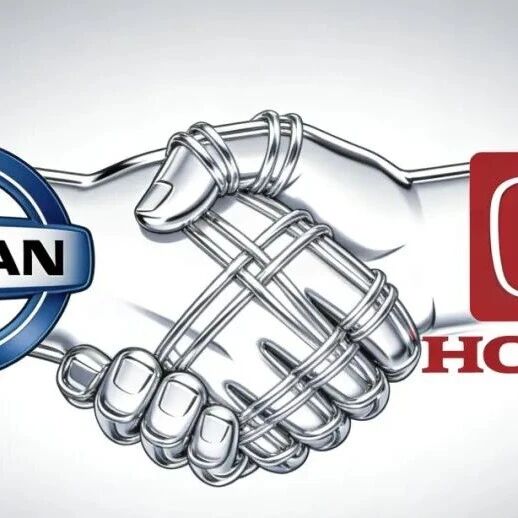
巨兽的黄昏与绝境中的联姻?
汽车商业评论· 2026-03-15 23:06
Core Viewpoint - Honda's recent $15.7 billion impairment loss in electric vehicle assets marks a significant turning point, leading to its first annual loss in history and the cancellation of the "Honda 0 Series" electric vehicle project, reflecting a broader crisis in the Japanese automotive industry [3][6][10]. Group 1: Honda's Challenges - The $15.7 billion impairment indicates Honda's acknowledgment that its previous investments in electric vehicles will not yield expected future returns, representing a complete denial of its recent electrification strategy [6][10]. - Honda's reliance on its traditional engineering culture has resulted in a slow response to the shift towards "software-defined vehicles," leading to a significant competitive disadvantage against companies like Tesla and emerging Chinese automakers [6][9]. - The cancellation of the "Zero Series" is not just a financial decision but a strategic admission that a mid-sized traditional automaker cannot independently transition to the smart electric era without scale and ecosystem support [10]. Group 2: Market Dynamics - The Chinese market poses a significant challenge for Honda, which has historically relied on it for profits. The rise of local electric vehicle manufacturers has drastically altered the competitive landscape, forcing Honda to lower prices on its traditional models to maintain sales [12][14]. - Chinese brands have established a stronghold in the market with vertically integrated supply chains and aggressive pricing strategies, making it difficult for Honda to compete without a localized R&D framework [14]. - The loss of profitability in China has severed Honda's critical funding source for its global electrification plans, jeopardizing its financial stability in other markets [14]. Group 3: Nissan's Restructuring - Nissan has undergone a significant leadership change, with the entire executive team, including CEO Makoto Uchida, being replaced as part of a drastic restructuring effort to survive amidst declining performance [16][18]. - The leadership overhaul is seen as a necessary step to eliminate historical burdens that hinder radical strategic changes, paving the way for potential collaboration with Honda [20][22]. - The merger between Honda and Nissan is viewed as a potential solution to their respective challenges, allowing for shared resources and enhanced competitiveness in the evolving automotive landscape [23][26]. Group 4: Cultural and Strategic Considerations - Despite the economic rationale for a merger, deep-rooted cultural differences between Honda's independent engineering ethos and Nissan's bureaucratic structure pose significant challenges [29][30]. - The urgency of survival in a rapidly changing market may force both companies to reconsider their cultural identities and prioritize collaboration over independence [36]. - The recent changes in Nissan's leadership signal a willingness to adapt, suggesting that both companies may find common ground in their pursuit of survival and competitiveness in the electric vehicle market [36].