character.ai

Search documents
又一批AI社交产品悄悄“死亡”了
Hu Xiu· 2025-10-11 07:05
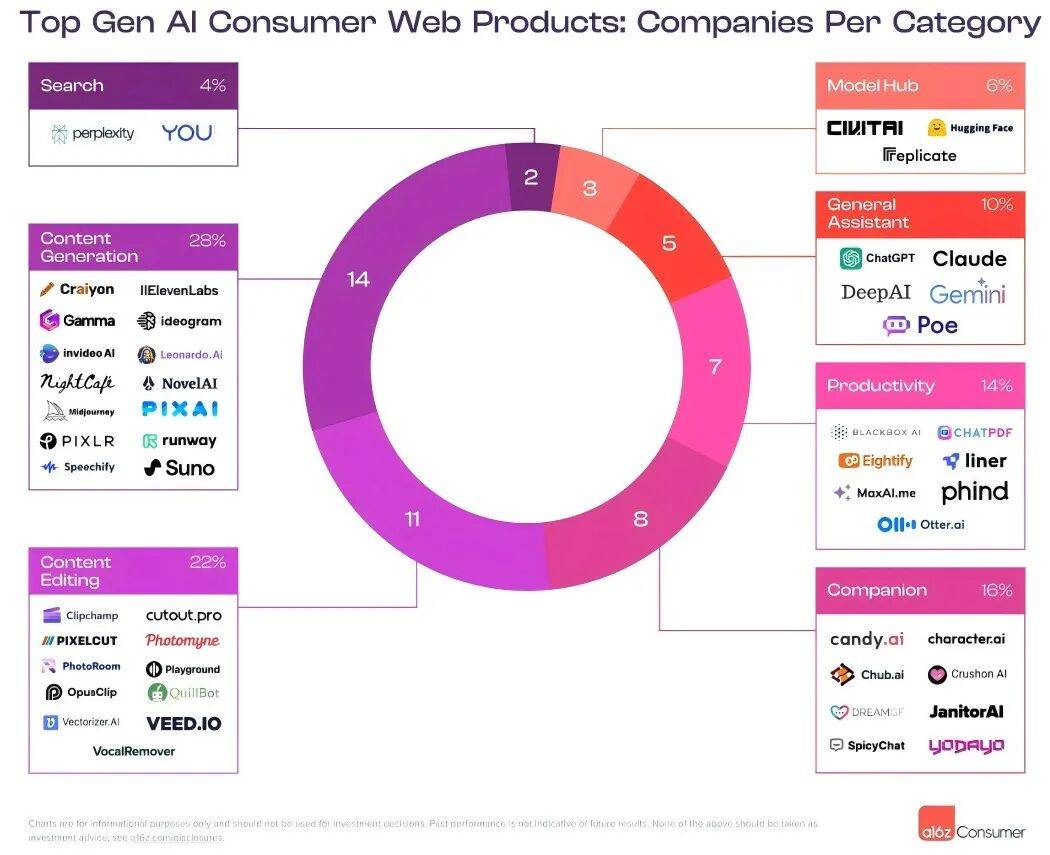
Core Insights - A wave of shutdowns has hit AI social companies, including both established players and startups, indicating a challenging environment for AI companionship products [1][2][3] - Despite the shutdowns, AI companionship remains a popular sector, with significant user engagement and investment interest [4][5][6] Group 1: Market Trends - The AI companionship market has seen a surge in products since the rise of ChatGPT, but it is now experiencing a "shutdown wave" [3][4] - According to a16z, AI companionship applications have been consistently popular, with many products making it to the top rankings [6][9] - By 2025, AI companionship applications had achieved 220 million downloads globally, generating $221 million in consumer spending [19][20] Group 2: User Experience and Challenges - Users have expressed concerns over the pricing models of AI companionship applications, which often include subscription fees and pay-per-use structures [22][23] - Community engagement and stable operations are critical for user retention, as many applications struggle with technical and operational challenges [25][26] - The current landscape reveals a dichotomy where emotional value and commercial viability are difficult to balance [25][30] Group 3: Competitive Landscape - The AI companionship sector is highly competitive, with many products failing to differentiate themselves effectively [30][31] - Successful products are increasingly focusing on content-driven and feature-rich social platforms, while others are targeting niche markets [33][36] - Innovations in user interaction, such as hardware integration and multi-modal experiences, are being explored to enhance user engagement [40][42] Group 4: Future Directions - The market is undergoing a transformation, with a shift towards more personalized and emotionally resonant AI companionship experiences [39][44] - Companies are experimenting with various strategies to sustain user interest and improve retention, including integrating real-world social elements [42][45]

虚拟伴侣,相爱容易戒断难
创业邦· 2025-06-10 23:59
Core Viewpoint - The article discusses the growing phenomenon of emotional dependence on AI companions, highlighting how these virtual relationships are becoming a significant part of people's lives, particularly among younger users [3][5][12]. Group 1: Emotional Dependence on AI - The demand for emotional support from AI has led to the emergence of business models centered around AI companionship [3][5]. - Users often invest significant emotional energy into their interactions with AI, leading to a phenomenon described as "addiction" to virtual partners [11][21]. - A report by CB Insights in 2023 indicates that over 50% of character.ai's 4 million users are under 24 years old, reflecting the trend among younger demographics [12]. Group 2: User Engagement and Behavior - Many users engage in deep, personalized interactions with AI companions, often creating specific personas and settings for these relationships [16][19]. - The phenomenon of "AI addiction" is characterized by users feeling a sense of loss when they can no longer interact with their AI companions, similar to a breakup [10][22]. - The emotional connection users develop with AI can lead to a reluctance to disengage, even when it negatively impacts their real-life interactions [21][27]. Group 3: Commercial Aspects and Business Models - AI companionship apps often use subscription models that enhance user experience through features like increased interaction time and personalized responses, making it difficult for users to leave once they are invested [28][30]. - The article notes that the emotional investment in AI companions can lead to a complex relationship where users feel compelled to pay for enhanced experiences, akin to a relationship with a real partner [29][36]. - The market for AI companions is evolving, with some users even attempting to replicate deceased loved ones through virtual interactions, indicating a deep emotional need being met by these technologies [30][36].