iPhone 14 Pro系列

Search documents
苹果计划2028年发布2亿像素iPhone
新华网财经· 2026-01-08 03:08
Core Viewpoint - Apple plans to introduce a 200-megapixel main camera in the iPhone set to launch in 2028, marking a significant upgrade from the 48-megapixel camera introduced in the iPhone 14 series in 2022, after a six-year interval of major pixel enhancements [2][3]. Group 1: Camera Technology Evolution - The collaboration between Apple and Samsung will result in the production of high-end image sensors for the iPhone 18 series at Samsung's Austin, Texas facility, breaking Sony's exclusive supply dominance [2]. - Samsung's new three-layer stacked image sensor, designed for the iPhone 18, will enhance pixel density, low-light performance, dynamic range, reading speed, and reduce power consumption, representing a significant technological upgrade over current Sony sensors [2]. - Apple's camera pixel evolution has been gradual, starting from a 2-megapixel camera in the original iPhone in 2007, to 8 megapixels in the iPhone 4S in 2011, and reaching 12 megapixels with the iPhone 6s series in 2015, which remained the standard for seven years [2]. Group 2: Competitive Landscape - In contrast to Apple's cautious approach, the Android market has already adopted 200-megapixel technology, with flagship models like the Xiaomi 15 Ultra featuring a 200-megapixel telephoto lens and Huawei's recent flagship models incorporating similar high-resolution systems [3]. - The competitive advancements in the Android ecosystem are influencing Apple to accelerate its high-resolution camera strategy [3]. Group 3: Future Product Plans - Apple is expected to progressively enhance its imaging technology leading up to the 200-megapixel model, with the iPhone 18 Pro series potentially featuring a variable aperture main camera in 2026 and the introduction of under-display Face ID technology in 2027, coinciding with the 20th anniversary of the original iPhone [3]. - Apple plans to significantly expand its smartphone product line, with at least seven new flagship models anticipated by fall 2027, including the first foldable iPhone expected to launch in fall 2026 [4].


背屏成不了下一个灵动岛
Xin Lang Cai Jing· 2025-09-26 07:39
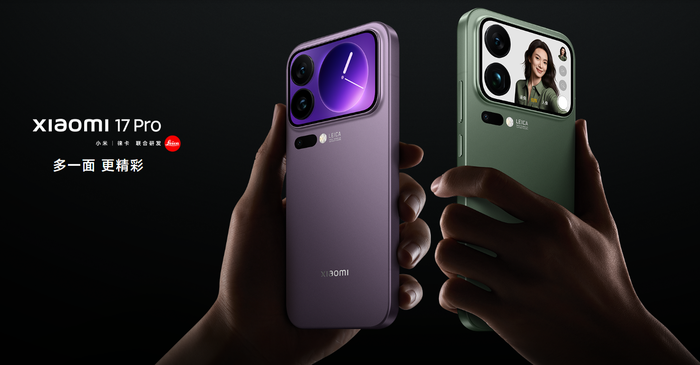
Core Viewpoint - The return of the back screen in the smartphone market, particularly as a key feature of the Xiaomi 17 Pro series, is unexpected and indicates Xiaomi's strong expectations for this technology [1][3]. Group 1: Back Screen Technology - Xiaomi has invested significant resources into the "Miao Xiang Back Screen" feature, with development and manufacturing costs reaching 1 billion yuan, making it challenging for other brands to follow suit [3]. - The back screen is not a new concept in the smartphone market, as it was first introduced by Meizu in 2017 with the "Intelligent Window" design [5]. - Previous attempts by various manufacturers, including Meizu and Xiaomi, to implement back screens were not successful, leading to a decline in interest in this feature [5][7]. Group 2: Market Position and Differentiation - The functionalities offered by the back screen in the Xiaomi 17 Pro series, such as personalized wallpapers and notifications, could also be effectively managed by the main screen, raising questions about the necessity of the back screen [5][7]. - The introduction of the back screen may be more about creating product differentiation rather than addressing high-frequency user needs or efficiency improvements [7]. - While the back screen provides some unique features for the Xiaomi 17 Pro, it is unlikely to achieve the same level of innovation and market impact as Apple's Dynamic Island, which effectively addressed user interaction challenges [10]. Group 3: Future Outlook - There are concerns that the back screen design may not achieve lasting success and could become a fleeting trend, similar to the previous back screen attempts by Xiaomi [11]. - Xiaomi's software director has assured users that the back screen will not be removed in future iterations, indicating a commitment to this feature [11]. - The market's acceptance of the Xiaomi 17 Pro series will ultimately determine the success of the back screen, with the product being perceived as having good value for money due to its strong battery life and imaging capabilities [11].