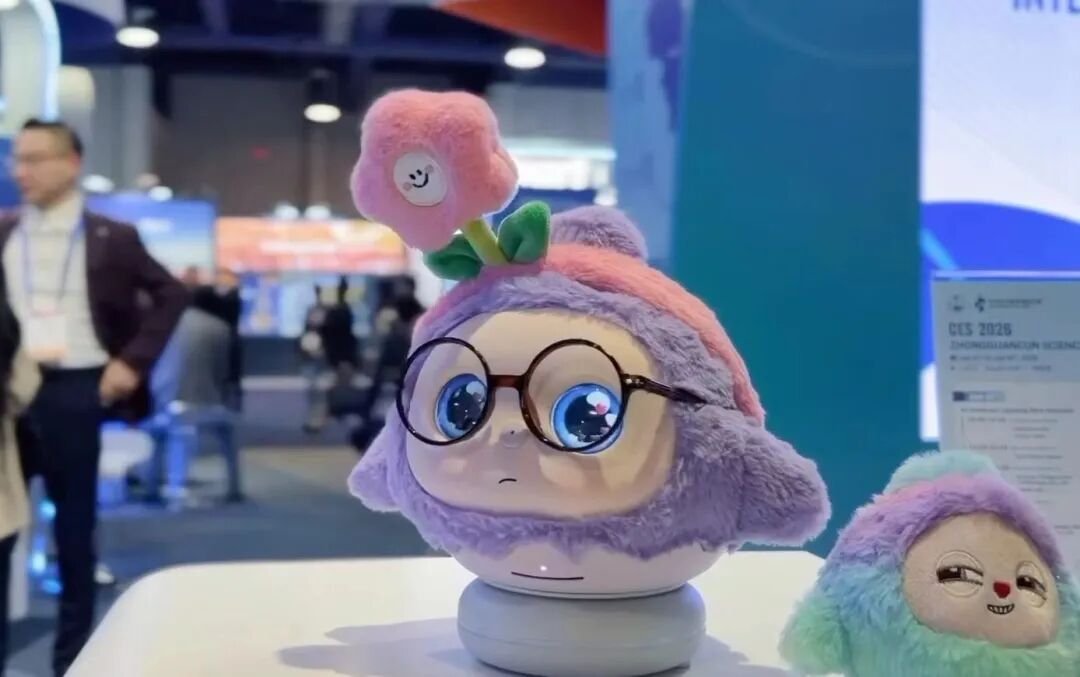
loviPeer情感陪伴机器人

Search documents
中国人形机器人,引爆全球订单
3 6 Ke· 2026-01-19 05:48
Core Insights - The Chinese robotics industry is transitioning from a "follower" to a "leader" in global technology competition, particularly in humanoid robots, as evidenced by strong performance at the 2026 CES and significant growth in the Middle East market [1][2][7] - The global humanoid robot market is expected to see a shipment volume of 13,000 units by 2025, with Chinese manufacturers like Zhiyuan and Yushu capturing significant market shares [6][12] CES Performance - The 2026 CES showcased a record number of Chinese robotics companies, breaking previous stereotypes of low-end manufacturing, with humanoid robots being the main attraction [2][3] - Companies like Accelerated Evolution reported that their Booster K1 robots were fully pre-ordered during the event, indicating strong market demand [2] Market Trends in the Middle East - The Middle East is emerging as a key market for Chinese robotics, with a 32% annual compound growth rate, driven by high purchasing power and a preference for high-end products [7][8] - Local distributors in the Middle East emphasize the importance of high-quality, technologically advanced products, as lower-end offerings could harm brand image [7] Emotional Companion Robots - LOVEAXI's AI companion robot, "lovi," gained significant attention at CES, highlighting the potential for emotional support robots in global markets [3][5] - The company noted that cultural differences between Asian and Western markets necessitate tailored product positioning and marketing strategies [6] Supply Chain and Component Strength - The rapid rise of Chinese robotics in the global market is supported by strong capabilities in core components and supply chains, with companies like Lingzi achieving significant overseas sales [10][12] - Lingzi's partnerships with top global institutions and companies demonstrate the recognition of Chinese core hardware in high-end markets [12] Localization and Market Entry Challenges - Chinese robotics companies face challenges in market entry and cultural integration, particularly in mature markets like Europe and North America, where compliance with local standards is crucial [15][16] - Companies are adopting strategies such as establishing local subsidiaries and emphasizing cultural respect to overcome these challenges [16] Strategic Evolution - The Chinese robotics industry is evolving from simple product exports to a more complex ecosystem that includes technology and standard exports [16] - The collaboration among various players in the robotics supply chain is becoming more sophisticated, with upstream component suppliers, midstream manufacturers, and downstream integrators working together [16]