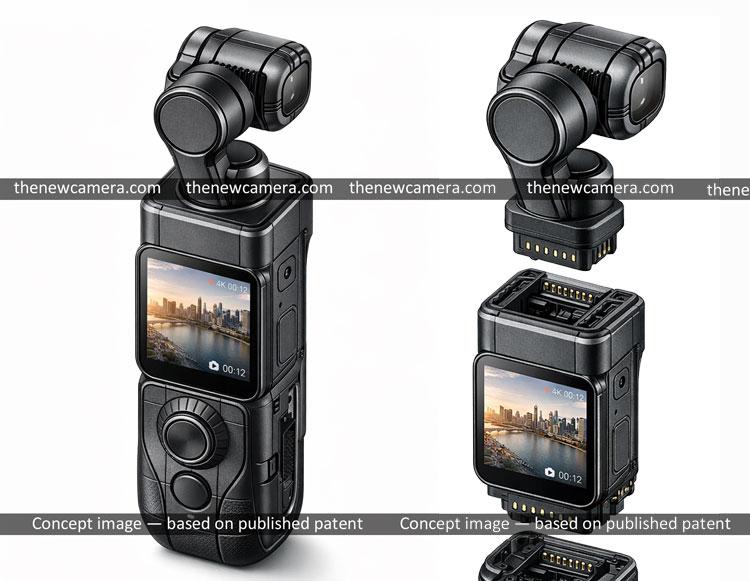
vivo Vlog 相机

Search documents
当“华米OV 耀”都不再满足于造手机
3 6 Ke· 2026-02-11 02:28
Core Viewpoint - The mobile phone manufacturers are shifting their focus towards the professional camera and handheld imaging device market, which was previously considered untouchable, indicating a significant transformation in the industry landscape [1]. Group 1: Market Dynamics - OPPO and vivo are the first to target the market dominated by DJI's Pocket series, which has become a standard for content creators and tourists seeking better image quality and stabilization than smartphones [2][4]. - vivo is developing a standalone Vlog camera aimed at competing directly with DJI's Pocket series, featuring a lightweight design and integration with its OriginOS for seamless editing and sharing [4][6]. - OPPO is also working on a new imaging product that may be part of its Find series, focusing on high-quality material collection while leveraging mobile processing power for editing and social sharing [8]. Group 2: Product Innovations - Xiaomi is pursuing a modular approach with a magnetic lens system that allows its smartphones to transform into high-quality cameras, potentially launching with the MIX 5 or 16 Ultra in 2026 [9][12]. - The magnetic lens module will enable users to attach a large optical module to their phones, enhancing photography capabilities while maintaining a lightweight design [13][15]. - Honor is taking a more radical approach by integrating a mechanical gimbal into its upcoming "Robot Phone," allowing for advanced stabilization and 360-degree tracking [17][19]. Group 3: Strategic Collaborations - Huawei is not developing a standalone Vlog camera but is collaborating with DJI for deeper integration of camera controls within its HarmonyOS, indicating a strategic focus on software rather than hardware [21][26]. - Huawei is also testing a square sensor for front cameras, aimed at optimizing social media content creation by allowing for maximum image capture regardless of phone orientation [23][24]. Group 4: Industry Trends - The year 2026 is seen as a pivotal moment for the smartphone industry, as manufacturers face diminishing returns on hardware improvements and are compelled to innovate through external devices or standalone products [27]. - The shift towards integrating advanced computational photography into traditional camera forms represents a significant challenge to established camera manufacturers, who have struggled to meet the demands of modern content creators [28][29].


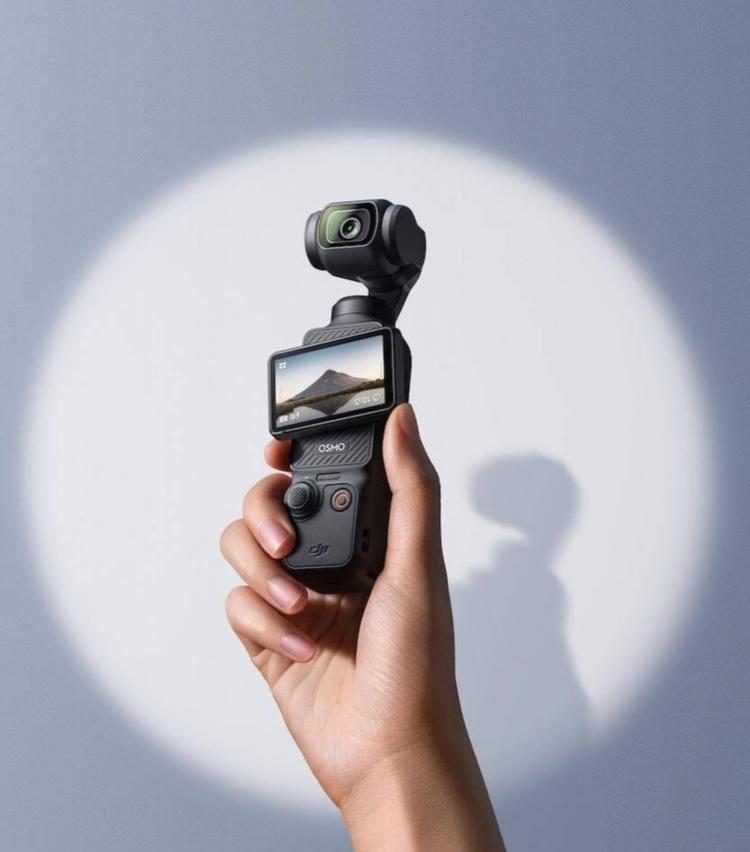
vivo、影石围猎大疆,Pocket 还能独占多久?
3 6 Ke· 2026-02-06 11:49
Core Viewpoint - The entry of smartphone manufacturers like vivo into the handheld gimbal camera market signifies a convergence of mobile and camera technology, driven by advancements in supply chains and consumer demand for specialized imaging devices. Group 1: Market Entry and Competition - Vivo has confirmed plans to launch a Vlog camera by the end of 2025, targeting DJI's Pocket series, with an expected release in 2026 [1] - Other companies, such as影石, are also set to release handheld gimbal cameras in the first half of 2026, indicating a growing trend among smartphone manufacturers to enter this market [1][33] - The competition is not limited to vivo; Huawei, Xiaomi, OPPO, and Honor are also exploring similar product developments, highlighting a collective shift in the industry [22][24] Group 2: Technological Advancements - Vivo's confidence in entering the camera market stems from its established supply chain and experience with imaging technology, particularly with the use of Sony's one-inch CMOS sensors [4][6] - The integration of advanced imaging chips, such as vivo's self-developed V3+ chip, allows for high-quality video processing capabilities, positioning the company well in the handheld camera space [6][10] - The design and engineering experience gained from previous smartphone models contribute to vivo's ability to create a competitive handheld gimbal camera [8][10] Group 3: Consumer Needs and Market Potential - Handheld gimbal cameras address common consumer frustrations with smartphones, such as battery life and storage limitations, by providing a dedicated device for video recording [15][17] - The market for handheld gimbal cameras has shown significant potential, with DJI's Osmo Pocket 3 achieving over 10 million units sold in just two years, indicating strong consumer interest [29][30] - The high profit margins and user engagement associated with these devices make them an attractive opportunity for smartphone manufacturers looking for new growth avenues [28][30] Group 4: Innovation and Future Outlook - The handheld gimbal camera format represents an innovative solution to the limitations of both smartphones and traditional cameras, offering portability and ease of use [32] - The potential for seamless integration with smartphone ecosystems, such as direct content transfer and collaborative functionality, presents a strategic advantage for smartphone manufacturers [18][30] - As the market evolves, the competition among smartphone brands to establish a foothold in the handheld camera segment is expected to intensify, leading to rapid advancements and innovations [30][35]