vivo X200

Search documents
vivo X300标准版升级5000万蔡司APO潜望长焦 全系前摄全面升级
Feng Huang Wang· 2025-09-04 04:28
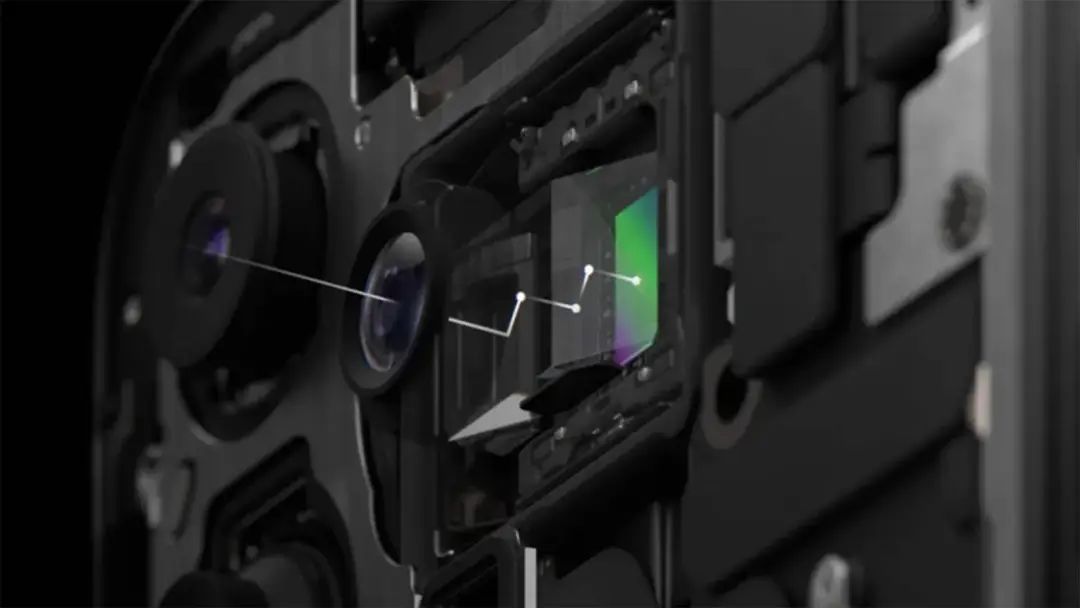
凤凰网科技讯 9月4日,vivo产品经理韩伯啸发文继续预热vivo X300系列手机。他透露,vivo X300搭载 蔡司2亿超级主摄,但这次长焦也迎来Pro级升档——首次标准版升级5000万像素蔡司APO超级潜望长 焦,降低长焦拍摄时色差和色散。 此外,X300全系前摄全面升级,标配蔡司5000万超清AF前摄,92度广角,支持AF自动对焦。而上代产 品vivo X200则是3200万前摄。 据凤凰网科技此前报道,vivo X300"蔡司两亿超级主摄" 拥有四大定制技术,其中之一是主摄采用了三 星HP9升级版Sensor,1/1.4 大底,支持23mm 2亿画质和50mm 5000万超清画质输出。同时,达成业界领 先的CIPA 4.5防抖认证。vivo X300 Pro的长焦防抖等级做到CIPA 5.5级防抖认证,此外,新研发的追焦 引擎也让超远距离运动抓拍更容易。 ...
「三级头」又加了「八倍镜」:今年旗舰机大逃杀,iPhone 还能吃鸡吗?
3 6 Ke· 2025-07-28 23:51
Core Insights - Apple is focusing on enhancing the long-focus capabilities of its iPhone series, particularly with the upcoming iPhone 17 Pro potentially featuring an 8x continuous optical zoom lens [1][3] - The iPhone 17 Pro may also introduce a first-party professional camera app in iOS 26, along with a new physical button for camera control [1][4] - The imaging system remains a key differentiator between Apple's flagship and non-flagship models, with significant upgrades expected in the camera specifications [3] Group 1: Camera Features - The iPhone 17 Pro is expected to have all three cameras upgraded to 48MP sensors, emphasizing Apple's commitment to superior imaging capabilities [3] - The introduction of a long-focus lens in the Pixel 10 series highlights a competitive shift in the market, as Apple will be the only major brand not offering a long-focus lens in its standard model priced at $799 [8][10] - The absence of a long-focus lens in the standard iPhone 17 raises questions about its classification as a high-end smartphone, especially in comparison to competitors that include long-focus options in their standard models [10][12] Group 2: Market Dynamics - The smartphone market has been characterized by a "two superpowers and one strong" structure, with Apple, Samsung, and Google dominating the mid-to-high-end segments [6][8] - The competitive landscape is shifting as domestic brands in China have already integrated long-focus lenses into their standard models, putting pressure on Apple to adapt [12][15] - The long-focus lens is becoming a critical feature for differentiation in a market where product homogeneity is prevalent, making it essential for flagship models [17]


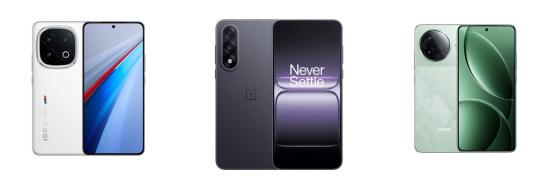
曲面屏手机,且用且珍惜?
3 6 Ke· 2025-07-21 03:15
Core Viewpoint - The trend of curved screen smartphones is declining, with a significant shift back to flat screen designs in the mid to high-end market, particularly among brands like OPPO, iQOO, and Xiaomi [1][2][26]. Group 1: Historical Context of Curved Screens - The first curved screen smartphones were Samsung's Galaxy Round and LG's G Flex, which were more conceptual than commercially successful [3][7]. - Samsung's Note Edge in 2014 marked a significant moment for curved screens, leading to the popularization of the dual-curved design with the S6 Edge [11][12]. - The success of the S6 and S7 Edge established curved screens as a high-end feature, influencing other manufacturers to adopt similar designs [13][19]. Group 2: Issues with Curved Screens - Curved screens have inherent issues such as accidental touches, display edge problems, and increased fragility, which have led to customer complaints [20][28]. - Despite their aesthetic appeal, the practical drawbacks have made flat screens more favorable among consumers [26][30]. Group 3: Economic Considerations - The cost of manufacturing curved screens remains higher than flat screens, impacting repair costs; for example, the repair cost for OPPO Find X7 Ultra's curved screen is ¥1690, while the flat screen of X8 Ultra is ¥1490 [30][32]. - Advances in screen packaging technology allow flat screens to achieve narrow bezels, making them visually appealing without the need for curves [32]. Group 4: Design Trends and Market Shifts - The shift back to flat screens is partly driven by a design language that mimics Apple's aesthetic, emphasizing flat screens and right-angled frames [34]. - The cyclical nature of design trends in the smartphone industry suggests that both flat and curved screens will continue to have their advocates, but the current market favors flat screens for commercial reasons [35].