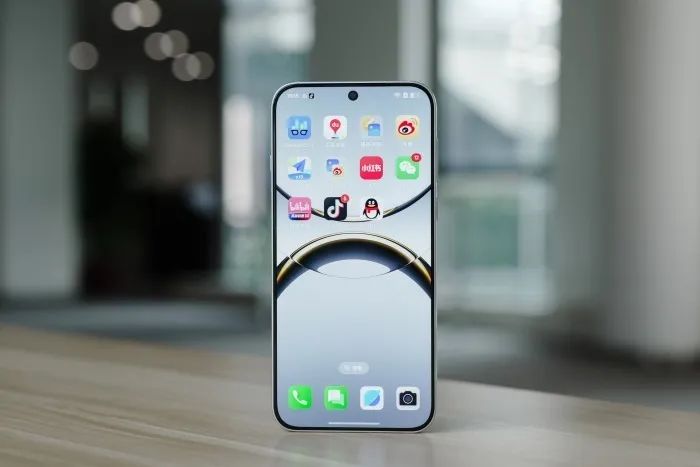
直屏手机

Search documents
曲面屏:一场注定消退的 “炫技” 狂欢(念念有余)
Zheng Quan Shi Bao Wang· 2025-09-25 14:05
Core Insights - The smartphone industry is witnessing a shift from curved screens to flat screens, indicating a return to practical design preferences over aesthetic trends [1][2] - The rise of curved screens began with Samsung's Galaxy S6 edge in 2015, which set a trend among Android flagship models, associating curved screens with high-end positioning [1][2] - The high production costs and limited supply of curved screens contributed to their initial popularity, allowing manufacturers to create a sense of scarcity and justify higher pricing [2] Industry Trends - The trend towards curved screens was closely linked to the industry's pursuit of high screen-to-body ratios, with manufacturers adopting various design innovations to minimize bezels [1] - However, the actual benefits of curved screens have been questioned, as issues like color distortion and uncomfortable grip have diminished user experience [1][2] - The decline of curved screens began with the 2024 MWC, where Samsung's Galaxy S24 Ultra was introduced with a flat screen, prompting other manufacturers like Huawei, OPPO, and Xiaomi to follow suit [2] Market Dynamics - Curved screens face challenges such as high repair costs and low resale value, indicating limited market acceptance [2] - The initial dominance of curved screens was partly due to a lack of innovation in other smartphone components, making screen design a key differentiator for manufacturers [2] - Apple's consistent avoidance of curved screens highlights a different approach focused on simplicity and user-friendliness, emphasizing continuous optimization of flat screen technology [3] Future Outlook - The competition surrounding curved screens may have ended, but the smartphone industry is expected to continue innovating, with a hope for future developments to align more closely with genuine user needs rather than mere aesthetic enhancements [3]
曲面屏手机,且用且珍惜?
3 6 Ke· 2025-07-21 03:15
Core Viewpoint - The trend of curved screen smartphones is declining, with a significant shift back to flat screen designs in the mid to high-end market, particularly among brands like OPPO, iQOO, and Xiaomi [1][2][26]. Group 1: Historical Context of Curved Screens - The first curved screen smartphones were Samsung's Galaxy Round and LG's G Flex, which were more conceptual than commercially successful [3][7]. - Samsung's Note Edge in 2014 marked a significant moment for curved screens, leading to the popularization of the dual-curved design with the S6 Edge [11][12]. - The success of the S6 and S7 Edge established curved screens as a high-end feature, influencing other manufacturers to adopt similar designs [13][19]. Group 2: Issues with Curved Screens - Curved screens have inherent issues such as accidental touches, display edge problems, and increased fragility, which have led to customer complaints [20][28]. - Despite their aesthetic appeal, the practical drawbacks have made flat screens more favorable among consumers [26][30]. Group 3: Economic Considerations - The cost of manufacturing curved screens remains higher than flat screens, impacting repair costs; for example, the repair cost for OPPO Find X7 Ultra's curved screen is ¥1690, while the flat screen of X8 Ultra is ¥1490 [30][32]. - Advances in screen packaging technology allow flat screens to achieve narrow bezels, making them visually appealing without the need for curves [32]. Group 4: Design Trends and Market Shifts - The shift back to flat screens is partly driven by a design language that mimics Apple's aesthetic, emphasizing flat screens and right-angled frames [34]. - The cyclical nature of design trends in the smartphone industry suggests that both flat and curved screens will continue to have their advocates, but the current market favors flat screens for commercial reasons [35].

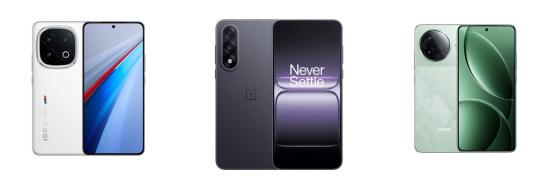
直屏回归,小屏当道,国产手机厂商开始听劝了
3 6 Ke· 2025-03-27 12:59
Core Insights - The smartphone market is witnessing a shift from curved screens to flat screens, driven by consumer demand for practicality and usability [1][3][5] - There is a growing interest in small-screen smartphones (below 6.3 inches), as recent models have begun to overcome previous performance and battery life limitations [11][13][15] - The trend towards flat screens and small screens reflects a more mature consumer perspective, prioritizing functionality and ease of use over aesthetic appeal [17] Flat Screen Trend - Since Q4 of the previous year, flagship smartphones have predominantly adopted flat screen designs, with notable examples including Honor Magic7 and OPPO Find X8 [3] - Flat screens offer several advantages over curved screens, such as higher durability, lower production costs, and reduced accidental touches [5] - The upcoming OPPO Find X8 Ultra is set to feature a flat screen, marking a significant departure from traditional design norms for Ultra models [7] Small Screen Resurgence - The introduction of mini models, such as the vivo X200 Pro mini, has reignited interest in small-screen smartphones, which are now being recognized for their flagship-level performance [11][13] - The "impossible triangle" of performance, battery life, and imaging capabilities has been addressed in recent small-screen models, making them more appealing to consumers [11][15] - Upcoming models like OPPO Find X8s and OnePlus 13 mini are expected to further enhance the small-screen segment, providing consumers with more options [15] Consumer Preferences - The return to flat and small screens indicates a shift in consumer preferences towards practical and user-friendly designs [17] - Flat screens are perceived to have lower touch error rates and better durability, while small screens are appreciated for their portability and ease of handling [17] - Overall, the industry is moving towards products that align with consumer demands for usability and reliability [17]