x402协议

Search documents
x402 协议:重构机器时代的互联网支付逻辑
Sou Hu Cai Jing· 2025-12-24 18:20
Core Insights - The traditional internet pricing models are facing unprecedented challenges due to the rise of machine-driven traffic and API calls, leading to a disconnect between human-designed business rules and a machine-dominated network ecosystem [1][3][4] - The emergence of the x402 protocol, based on the HTTP 402 status code and integrated with cryptocurrency features, offers a new solution to the pricing crisis and aims to reshape the value distribution landscape of the internet [1][5] Group 1: Pricing Dilemma in Changing Traffic Dynamics - The fundamental logic of the internet has shifted, with 60% of dynamic HTTP requests now coming from API calls, and AI-driven bots accounting for nearly half of web traffic, which do not exhibit human consumption habits [3][4] - Traditional pricing models, such as subscription and advertising, struggle to adapt to the unpredictable usage patterns of machines, leading to inefficiencies and user experience issues [4][6] Group 2: x402 Protocol as a Technological Key - The x402 protocol is a necessary evolution in the internet ecosystem, creating a complete loop for high-frequency microtransactions between machines [5][6] - It integrates payment processes with network requests, allowing for instant access to paid resources through a seamless transaction process, significantly enhancing flexibility and compatibility with machine interactions [6][8] Group 3: Commercial Restructuring and Ecosystem Changes - The adoption of the x402 protocol is expected to transform pricing strategies in the SaaS industry, moving towards a hybrid model that combines subscription fees with on-demand charges for peak usage [9][10] - Content platforms like Substack can leverage x402 to convert casual readers into paying users by lowering the barriers to entry, potentially doubling the conversion rate from the current 10% [9][10] Group 4: Future of Internet Commerce - The x402 protocol signifies a shift from a human-centric internet to a cohabitative model where machines become significant consumers, enabling automated payments and task execution [10][11] - The evolution of payment systems will focus on innovative pricing models and enhanced payment experiences, with platforms that effectively utilize x402 gaining a competitive edge in the machine consumption market [12]


当模组开始记账,中国制造已铺设了一条看不见的"金融国道"
3 6 Ke· 2025-12-24 09:51
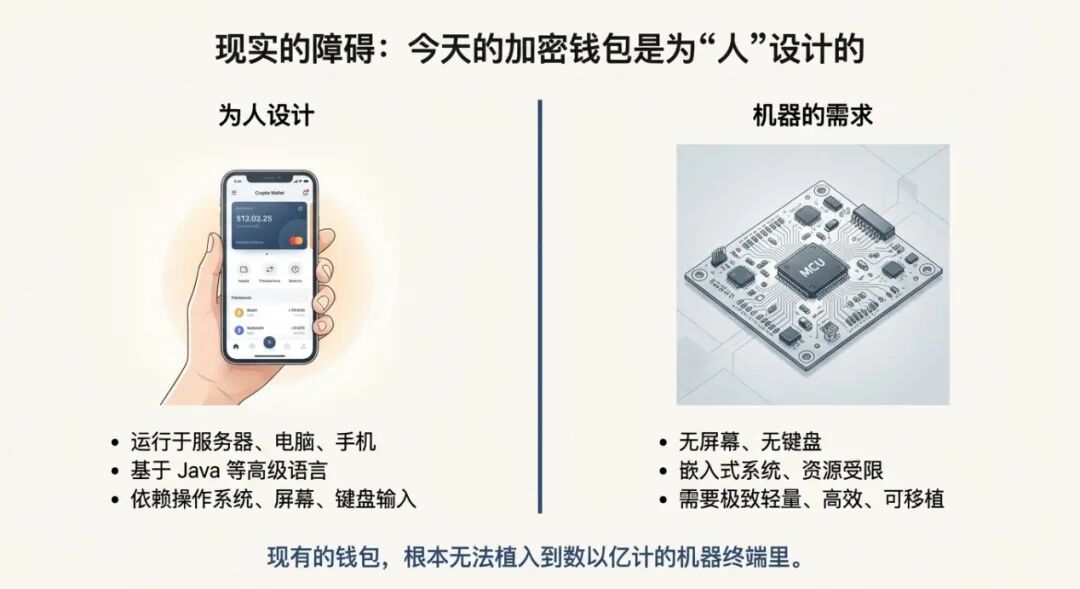
Core Insights - The article emphasizes the importance of IoT modules as foundational infrastructure for AI, which are often overlooked in favor of high-profile AI models from companies like OpenAI and Google [1] - A new payment standard, x402, has been introduced by Coinbase and Cloudflare for machine-to-machine transactions, indicating a shift towards automated payment systems in the AI economy [3] - The concept of machine credit is evolving, necessitating a new evaluation system independent of human credit scores to facilitate lending to machines [6][9] Group 1: Machine Economy and Payment Systems - The machine payment market is projected to reach $30 trillion by 2030, highlighting the urgency of establishing standards in this emerging field [3] - Current digital wallets based on high-level programming languages are inadequate for resource-constrained embedded devices, creating a significant gap in the market [1] - The transition from traditional static credit systems to dynamic, technology-based credit ratings is essential for the growth of the machine economy [10][12] Group 2: Credit Evaluation and Risk Management - Machine credit will be assessed based on technical performance metrics, such as uptime and code security audits, rather than human-like moral or legal standards [8][9] - A new financial model termed "flow payment financing" is emerging, where investors receive real-time cash flow from machines, minimizing risks associated with traditional loans [11] - The concept of asset liquefaction is introduced, where fixed assets can be transformed into liquid assets through automated transactions, enhancing resource allocation efficiency [17] Group 3: Strategic Implications for Manufacturing - Chinese manufacturers must evolve beyond hardware production to include financial capabilities in their devices to avoid becoming mere executors of foreign standards [18][19] - The BoAT technology path allows for blockchain integration in IoT devices, potentially giving China a competitive edge in the global market [25] - The article warns against the risk of hardware hollowing out, stressing the need for Chinese companies to establish their own value interaction protocols [18][20] Group 4: Future of the Machine Economy - The integration of blockchain technology and programmable digital currencies is crucial for creating a robust value network that supports the machine economy [26] - The shift towards a machine economy represents a fundamental change in production relationships and value distribution, with implications for wealth generation and economic status [26]