Boston Scientific(BSX)

Search documents
42亿!医械巨头完成重磅收购
思宇MedTech· 2026-01-30 01:32
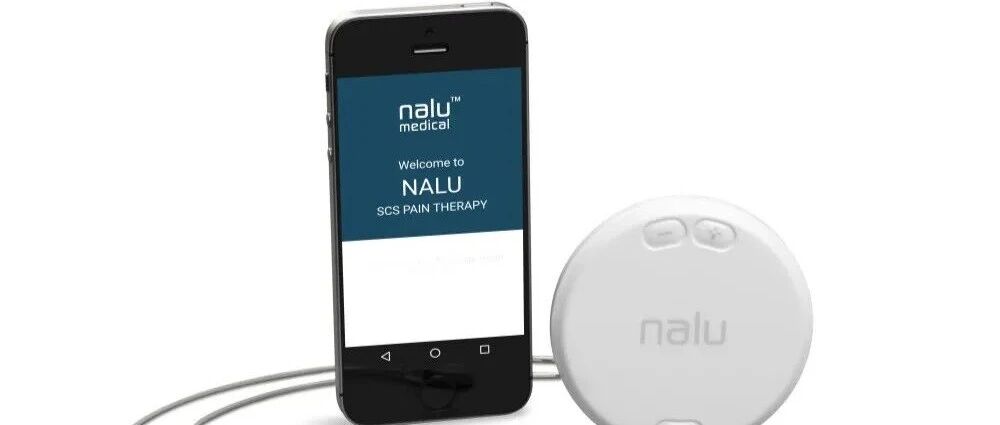
Core Insights - Boston Scientific has completed the acquisition of Nalu Medical for approximately $600 million in cash, which includes the purchase of remaining shares after previously holding a strategic investment since 2017 [2][6] - Nalu Medical specializes in spinal and peripheral nerve stimulation technologies aimed at chronic neuropathic pain patients, utilizing low-intensity electrical pulses to modulate pain signals before they reach the brain [5][6] - The acquisition is part of Boston Scientific's broader strategy to enhance its portfolio in interventional therapy and pain management, following a series of significant acquisitions in recent years [7][9] Nalu Medical's Product Technology and Business Expectations - Nalu's peripheral nerve stimulation system received FDA approval in 2019 and was further approved for full-body MRI scans in 2025, indicating regulatory progress [6] - The company introduced a miniaturized wearable external power source and completed a $50 million growth funding round in 2025 [6] - Nalu is expected to generate over $60 million in revenue in 2025, with a projected year-on-year growth of over 25% in 2026 [6] Financial Impact and Strategic Positioning - The acquisition is anticipated to have a minimal impact on adjusted earnings per share in 2026, with a gradual positive effect starting in 2027, although there may be short-term dilution on GAAP earnings due to amortization and acquisition-related expenses [6] - Boston Scientific's recent acquisitions, including a $14.5 billion deal for Penumbra and others, reflect a strategic focus on expanding capabilities in interventional treatment and nerve modulation [7][11] Industry Background - The acquisition of Nalu Medical aligns with Boston Scientific's ongoing efforts to strengthen its position in the chronic pain treatment and minimally invasive intervention sectors, which are critical areas of development in the medical technology industry [9][13] - Nalu's innovative features, such as a battery-free micro-implantable pulse generator and smartphone-based treatment control, highlight advancements in pain management technology [10]


Boston Scientific Stock: Analyst Estimates & Ratings
Yahoo Finance· 2026-01-29 06:38
Core Viewpoint - Boston Scientific Corporation (BSX) is a global medical device company with a market cap of $138.8 billion, focusing on innovative technologies across various medical specialties, including cardiovascular and gastrointestinal conditions [1] Financial Performance - BSX shares have underperformed the broader market, decreasing 8.3% over the past 52 weeks, while the S&P 500 Index gained 15% [2] - Year-to-date, BSX shares have declined 1.6%, compared to the S&P 500's 1.9% return [2] - The company's stock also lagged behind the State Street Health Care Select Sector SPDR ETF's 5.3% rise over the past year [3] Recent Developments - On October 22, 2025, BSX shares rose nearly 4% after reporting Q3 2025 adjusted EPS of $0.75 and revenue of $5.07 billion, exceeding expectations [4] - The company raised its 2025 adjusted EPS forecast to a range of $3.02 - $3.04 and guided Q4 adjusted EPS of $0.77 - $0.79, above consensus estimates [4] - Strong demand for heart devices, particularly a 23.1% increase in electrophysiology sales driven by the Watchman and Farapulse systems, contributed to investor optimism [4] Analyst Ratings and Forecasts - Analysts expect BSX's adjusted EPS to grow 21.1% year-over-year to $3.04 for the fiscal year ending December 2025 [5] - The company has a promising earnings surprise history, beating consensus estimates in the last four quarters [5] - Among 31 analysts covering BSX, the consensus rating is a "Strong Buy," with 26 "Strong Buy" ratings, three "Moderate Buys," and two "Holds" [5] Price Targets - Bernstein analyst Lee Hambright maintained a "Buy" rating on BSX with a price target of $130 [6] - The mean price target of $125.53 indicates a 33.8% premium to BSX's current price levels [6] - The highest price target of $140 suggests a potential upside of 49.3% [6]
Boston Scientific Corporation (BSX): A Bull Case Theory
Yahoo Finance· 2026-01-28 14:04
Core Thesis - Boston Scientific Corporation (BSX) presents a tactical investment opportunity following its $14.5 billion acquisition of Penumbra, which led to a temporary 4% decline in stock price [2][5] Financial Metrics - As of January 27th, BSX's share price was $93.61, with trailing and forward P/E ratios of 50.06 and 26.95 respectively [1] Market Reaction - The acquisition caused a short-term dip in stock price, prompting traders to sell April $80 puts, currently out-of-the-money by approximately 11%, collecting $1.10 per share in premium, totaling $440,000 from 4,000 contracts [2][3] Institutional Positioning - A surge in trading volume exceeding 8,700 contracts indicates strong institutional conviction, capitalizing on the market's overreaction to earnings dilution of $0.06–$0.08 per share and the $11 billion financing for the acquisition [3] Options Market Dynamics - Elevated implied volatility surrounding the acquisition and upcoming February earnings inflates option premiums, creating a favorable environment for put sellers who expect volatility to decrease post-acquisition [4] Analyst Ratings - Analysts from Needham and Morgan Stanley maintain Buy ratings with price targets between $121 and $127, reflecting confidence in BSX's long-term fundamentals [5] Growth Projections - BSX has reaffirmed its double-digit EPS growth targets for 2026–2028, positioning itself to dominate high-growth neurovascular and thrombectomy markets following the Penumbra acquisition [5] Risk Considerations - The primary risk involves acquisition integration challenges, including regulatory hurdles and market perception of overpayment, although a breakeven point at $78.90 provides a cushion for investors [5]
Will Robust MedSurg Performance Fuel Boston Scientific's Q4 Earnings?
ZACKS· 2026-01-28 13:30
Core Insights - Boston Scientific (BSX) is expected to report its fourth-quarter 2025 results on February 4, with earnings per share (EPS) anticipated at 78 cents, reflecting an 11.4% growth year-over-year, and revenues projected at $5.27 billion, indicating a 15.4% increase from the previous year [1][2]. Group 1: Financial Performance - The Zacks Consensus Estimate for BSX's revenues is set at $5.27 billion, which represents a 15.4% increase compared to the same quarter last year [2]. - The consensus for earnings is pegged at 78 cents per share, indicating an 11.4% growth from the year-ago quarter [2]. - BSX has consistently beaten earnings estimates in the past four quarters, with an average surprise of 7.36% [1]. Group 2: Business Segment Performance - The MedSurg division is expected to maintain strong sales momentum, with revenues estimated at $1.80 billion, suggesting an 11.4% year-over-year increase, driven by the Endoscopy and Urology businesses [4][7]. - The Cardiovascular segment is projected to see a 17.5% increase in revenues to $3.46 billion, supported by the uptake of WATCHMAN and FARAPULSE products [9][14]. - The Neuromodulation segment is anticipated to grow, bolstered by the Pain franchise and the acquisition of Nalu Medical, which expands BSX's portfolio in peripheral nerve pain [6]. Group 3: Market Developments - The Endoscopy business within MedSurg is benefiting from the Axios platform and the adoption of innovative technologies like OverStitch and Mantis clip [4]. - The Cardiovascular business is expected to perform well due to strong growth in coronary therapies, particularly from the AGENT Drug-Coated Balloon and the WATCHMAN FLX Pro device's launch in China [10][11]. - The Peripheral Interventions unit is likely to continue its growth trend, despite challenges in the Chinese market, with strong performance in Interventional Oncology & Embolization [13].

145亿只是前奏!次世代血栓切除系统“闪电”3.0震撼亮相
Xin Lang Cai Jing· 2026-01-28 10:08
Core Insights - The vascular intervention field is experiencing significant changes with Boston Scientific's acquisition of Penumbra for $14.5 billion, prompting a reevaluation of the industry landscape [19][33] - Penumbra has launched the next-generation Lightning Flash 3.0 computer-assisted vacuum thrombectomy system, which incorporates advanced algorithms to enhance the intelligence of vascular interventions [20][31] Group 1: Acquisition and Market Impact - Boston Scientific announced the acquisition of Penumbra at $374 per share, a 19.3% premium, totaling $14.5 billion, raising questions about the high valuation [33][34] - The acquisition is not just about a single product but focuses on the algorithm-driven CAVT technology platform and its industry influence [15][34] - Penumbra is positioned as a leader in the acute ischemic stroke mechanical thrombectomy market, competing with Medtronic and Stryker [16][34] Group 2: Product Innovation and Technology - The Lightning Flash 3.0 system addresses the critical balance of precision and efficiency in thrombectomy, utilizing dual clot detection algorithms for improved performance [22][23] - The system features continuous aspiration mode for effective clot removal and intermittent aspiration mode to minimize blood loss, enhancing surgical outcomes [4][23] - Clinical data indicates that Flash 3.0 achieves a 1.3 times faster clot removal speed, reduces thrombectomy time by 23%, and decreases fluid usage by 60% compared to previous models [10][29] Group 3: Financial Performance and Growth Potential - Penumbra's financial outlook shows projected revenue of $385 million for Q4 2025, with an annual revenue of approximately $1.4 billion, reflecting over 20% and 17% year-on-year growth, respectively [17][35] - The company maintains a gross margin of 67.8%, expected to exceed 70% by the end of 2026, driven by differentiated technology and a razor-and-blade business model [35] - Penumbra's software-defined medical devices create a competitive moat, with continuous algorithm upgrades and a self-reinforcing cycle of data optimization from approximately 80,000 annual procedures [18][35]


摩根大通医疗健康会议展望及核心要点-J.P. Morgan MedTech Outlook Post the JPM Healthcare Conference + What We Learned
摩根· 2026-01-26 02:50
Investment Rating - The report maintains an "Overweight" rating for Intuitive Surgical (ISRG) and Boston Scientific (BSX) in the large-cap category, while Insulet (PODD) is highlighted as a top pick among small to mid-cap companies [15][17][18]. Core Insights - The healthcare sector is projected to experience revenue growth of approximately 6% in 2026, driven by healthy volumes and demographic trends [15]. - The report indicates that the MedTech sector is currently facing challenges with muted new money interest, as investor focus has shifted towards technology and AI stocks [11]. - Despite some negative pre-announcements from companies, there are positive indicators from firms like ISRG and BSX, suggesting a cautiously optimistic outlook for the sector [9][10]. Summary by Sections Healthcare Sector Snapshot - Healthcare stocks in the S&P 500 have shown a slight increase of 0.5% year-to-date, underperforming compared to the S&P 500's 1.4% [7]. - Key performers within the healthcare sector include Labs (+8.6%), CROs (+6.3%), and Lifescience Tools (+5.2%), while Biotech (-0.7%) and Large Pharma (-1.8%) lag behind [7]. Key Takeaways from the Conference - The conference revealed a mix of pre-announcements, with ISRG and DXCM performing better than expected, while ATEC and ENOV faced challenges [9]. - There is a notable interest in surgical robotics and diabetes management, with companies like MDT and BSX leading in these areas [12]. Sector Outlook for 2026 - The report forecasts EPS growth of around 7% for 2026, emphasizing the importance of high-quality companies with strong earnings visibility [15]. - The anticipated growth in the MedTech sector is supported by ongoing innovation and favorable demographic trends, despite potential budget constraints in healthcare [15]. Top Picks - The report identifies ISRG and BSX as top large-cap picks, citing their strong growth potential and innovative product pipelines [15][17]. - Among small to mid-cap companies, Insulet (PODD) is highlighted for its robust sales growth and market position in diabetes management [18].

Oppenheimer Questions Valuation of Boston Scientific’s $14.5 Billion Penumbra Deal
Yahoo Finance· 2026-01-24 03:58
Group 1 - Boston Scientific Corporation (BSX) is currently viewed as a strong mid-cap growth stock, despite Oppenheimer lowering its price target from $125 to $100 while maintaining an Outperform rating [1] - The $14.5 billion acquisition of Penumbra is Boston Scientific's second-largest takeover and signifies its re-entry into the neurovascular market, aiming to enhance its cardiovascular and neurovascular portfolios [2][3] - Analysts are cautious about the valuation of the Penumbra deal, particularly the high purchase multiple of $374 per share, which may impact the company's return on invested capital (ROIC) [1][3] Group 2 - The integration of Penumbra is expected to improve Boston Scientific's revenue and margins in the long term, with projected sales of approximately $1.4 billion for FY 2025 [3][4] - The acquisition is anticipated to be dilutive to BSX's earnings per share (EPS) by $0.06-0.08 in the first full year post-acquisition, becoming neutral to modestly accretive in the second year, and increasingly accretive thereafter [4]
远超行业平均增速,增长最快的十大医疗器械爆品
3 6 Ke· 2026-01-23 01:40
Core Insights - The global medical device market is projected to grow at a rate of approximately 6% annually, with a shift towards high-growth segments as multinational corporations divest slower-growing businesses [1] - Ten high-growth product segments have been identified, each with a market growth rate exceeding 15%, driven by innovative products that significantly outperform their peers [1] Group 1: Pulsed Field Ablation (PFA) - PFA has achieved over 20% penetration in the U.S. electrophysiology market within two years, with a market size exceeding $2 billion, making it one of the fastest-growing segments historically [2][4] - Major players like Boston Scientific and Medtronic are heavily investing in PFA commercialization, with Medtronic's PFA revenue expected to reach $1 billion in FY2025 and increase by another $1 billion in FY2026 [4] - The PFA market is projected to exceed $13 billion with an annual growth rate of over 25%, with penetration expected to reach 80% by 2028 [5] Group 2: Single-Use Endoscopes - Single-use endoscopes have rapidly gained market share due to their ability to eliminate cross-infection risks associated with reusable endoscopes and significantly reduce hospital costs [6][8] - Ambu, a leader in the single-use endoscope market, reported over 25% revenue growth in urology, ENT, and gastrointestinal departments, with expectations of maintaining a compound growth rate exceeding 20% [8][9] - The global single-use endoscope market is expected to continue growing rapidly, driven by aging populations and increasing demand for safe, efficient, and cost-effective solutions [9] Group 3: Laparoscopic Surgical Robots - The laparoscopic surgical robot market has surpassed $10 billion, with an annual growth rate exceeding 20%, despite a penetration rate of less than 15% in global minimally invasive surgeries [10][12] - The Da Vinci surgical system, a market leader, has seen significant revenue growth, with a projected revenue of over $10 billion in 2025, reflecting a 21% year-on-year increase [13] - The domestic laparoscopic surgical robot market is also experiencing growth, with sales of 119 units in the first 11 months of 2025 and expectations for further expansion as regulatory barriers ease [13] Group 4: Continuous Glucose Monitoring (CGM) - CGM technology addresses chronic disease management challenges, providing continuous glucose monitoring for diabetes patients, with significant market growth driven by U.S. Medicare coverage [14][17] - Abbott's CGM sales are expected to exceed $8 billion in 2025, with a year-on-year growth rate of approximately 23%, while Dexcom anticipates revenues of $4.63 to $4.65 billion [17] - The domestic CGM market is entering an accelerated penetration phase, driven by local companies leveraging supply chain advantages and cost reductions [18] Group 5: Mechanical Thrombectomy - Mechanical thrombectomy is gaining attention with significant acquisitions, such as Inari Medical's $4.9 billion acquisition by Stryker, highlighting the long-term value of this segment [19][21] - Inari Medical reported a 52.3% year-on-year revenue growth in Q2 2025, while Penumbra is expected to achieve a revenue growth of 21.4% to 22.0% in Q4 2025 [21][22] - The domestic market for mechanical thrombectomy is also growing rapidly, with over 20% growth driven by a large patient base and technological advancements [22] Group 6: Transcatheter Mitral and Tricuspid Valve Therapies (TMTT) - TMTT is rapidly becoming a key growth area in cardiovascular treatment, with Abbott and Edwards Lifesciences reporting significant revenue increases in this segment [23][24] - The domestic market is expanding, with an increase in regulatory approvals for TMTT products, indicating a growing demand [24] Group 7: Bronchoscopic Surgical Robots - The bronchoscopic surgical robot market is entering a phase of large-scale commercialization, with significant advancements in technology improving diagnostic accuracy and treatment outcomes [25][27] - Major platforms have received FDA approval, with Ion platform installations reaching 905 units and a surgical volume increase of over 50% in 2025 [27][28] Group 8: Poly-L-Lactic Acid Microbeads (PLLA) - PLLA is experiencing rapid growth in the medical aesthetics market, driven by consumer preferences for natural and long-lasting anti-aging solutions [29][30] - The market is characterized by a competitive landscape where international brands lead, but domestic companies are quickly gaining market share through cost advantages [30] Group 9: Non-invasive Ventilators - The non-invasive ventilator market is witnessing strong growth, particularly in the U.S., driven by increased consumer health awareness and market restructuring [31][33] - Companies like ResMed and Yuyue Medical are reporting significant revenue growth, with ResMed's overseas revenue increasing by 52.96% [33] Group 10: Shockwave Intravascular Lithotripsy (IVL) - IVL has achieved over $1 billion in market size, addressing calcification issues in coronary interventions, with a penetration rate of approximately 10% in the U.S. [34][36] - The market is expected to expand further as more products are introduced, capitalizing on the significant clinical need for effective treatment options [36]



A Closer Look at Boston Scientific's Options Market Dynamics - Boston Scientific (NYSE:BSX)
Benzinga· 2026-01-22 20:01
Group 1: Company Overview - Boston Scientific specializes in less invasive medical devices that are inserted into the human body through small openings or cuts, with products used in various medical fields including angioplasty, blood clot filtration, and cardiac rhythm management [7] - Approximately 36% of Boston Scientific's total sales come from foreign markets, indicating a significant international presence [7] Group 2: Market Analysis - The current trading volume for Boston Scientific stands at 6,852,637, with the stock price at $92.28, reflecting a neutral RSI indicator status [10] - A consensus target price of $100.0 has been established by market experts, with an analyst from Oppenheimer maintaining an Outperform rating on the stock [9] Group 3: Options Trading Insights - Recent analysis of options trading revealed 21 unusual trades for Boston Scientific, with 47% of traders showing bullish sentiment and 47% bearish [1] - The major market movers are focusing on a price range between $80.0 and $97.0 for Boston Scientific over the last three months [2] - A detailed snapshot of options activity indicates a mix of bullish and bearish trades, with notable call and put options reflecting varying investor sentiments [6]

并购潮里的Biotech:风口、挣扎与价值重构
2 1 Shi Ji Jing Ji Bao Dao· 2026-01-22 08:52
Core Insights - The 2026 JPMorgan Healthcare Conference has highlighted significant trends in the biopharmaceutical industry, particularly in mergers and acquisitions (M&A) among multinational corporations (MNCs) [1] - Major acquisitions include Boston Scientific's $14.5 billion purchase of Penumbra and GSK's $2.2 billion acquisition of RAPT Therapeutics, indicating a strong demand for innovative assets [1][6] - The industry is experiencing a "survival of the fittest" phase, with many biotech firms facing operational challenges and some shutting down due to clinical trial failures [2][8] Mergers and Acquisitions - Boston Scientific has announced two major acquisitions: Valencia Technologies Corporation and Penumbra, with the latter being its largest acquisition in nearly 20 years [1][4] - GSK's acquisition of RAPT Therapeutics aims to leverage its global R&D capabilities to enhance the value of RAPT's pipeline [1][6] - The trend of M&A is driven by MNCs facing a "patent cliff," with an estimated $400 billion in revenue at risk over the next decade [4] Industry Dynamics - The demand for high-quality innovative assets is increasing, leading to a surge in business development (BD) and M&A activities in the biopharmaceutical sector [2][4] - The competitive landscape is shifting from product-based competition to pipeline and product integration capabilities among large pharmaceutical companies [7] - Biotech firms are increasingly viewed as valuable partners for MNCs, providing pathways for pipeline realization and cash flow enhancement [2][10] Challenges for Biotech - Nido Biosciences has ceased operations due to clinical trial failures, highlighting the risks faced by biotech companies in the current environment [2][8] - Financial instability and clinical setbacks are common reasons for biotech firms shutting down, with many struggling to secure funding [8][9] - The industry is witnessing a trend where companies must optimize their pipelines and manage resources effectively to survive [9][10] Future Outlook - The biopharmaceutical sector is expected to see continued M&A activity, particularly focusing on late-stage, lower-risk assets as uncertainties in key policies diminish [4] - Chinese biotech firms are increasingly engaging in BD collaborations with MNCs, driven by cost control and R&D efficiency advantages [10][12] - The industry is at a pivotal point, transitioning from quantity-driven growth to a focus on quality and value creation in the global health landscape [12]