
Delta(DAL)

Search documents
金十图示:2025年07月24日(周四)美股热门股票行情一览(美股盘中)


news flash· 2025-07-24 16:39
Market Overview - The market capitalization of major US stocks shows varied performance, with Oracle at 762.30 billion, Mastercard at 321.36 billion, and Visa at 770.15 billion, reflecting increases of +0.66%, +0.86%, and +0.68% respectively [3] - Exxon Mobil's market cap is 679.53 billion, with a slight decrease of -0.98%, while Johnson & Johnson and Netflix show minor changes of -0.08% and -0.05% respectively [3] - Companies like Wells Fargo and Cisco have market caps of 270.15 billion and 279.59 billion, with respective increases of +0.98% and -0.58% [3] Notable Stock Movements - T-Mobile US Inc experienced a significant increase of +6.20%, reaching a market cap of 272.19 billion [3] - General Electric and Coca-Cola saw market caps of 285.05 billion and 298.76 billion, with increases of +0.37% and +0.91% respectively [3] - Companies like Disney and Goldman Sachs have market caps of 229.06 billion and 221.80 billion, with slight changes of +0.01% and -0.60% [3] Sector Performance - The technology sector shows mixed results, with Intel at 991.05 billion, down -3.28%, while AMD increased by +2.46% to 254.92 billion [5] - The consumer goods sector is represented by companies like Procter & Gamble and Coca-Cola, with market caps of 371.68 billion and 298.76 billion, showing slight increases [3][4] - The energy sector, represented by Exxon Mobil and Chevron, shows varied performance, with Exxon down -0.98% and Chevron up +0.66% [3] Summary of Key Companies - Oracle's market cap stands at 762.30 billion, reflecting a positive trend [3] - Mastercard and Visa show strong performance with market caps of 321.36 billion and 770.15 billion, both increasing [3] - Companies like Pfizer and Comcast have market caps of 1579.81 billion and 1332.00 billion, with Pfizer showing minimal change and Comcast down -3.16% [4][5]


达美航空正逐步摒弃固定票价,利用AI实现个性化定价
财富FORTUNE· 2025-07-23 13:04
Core Viewpoint - Delta Airlines is leveraging artificial intelligence (AI) to enhance profit margins by maximizing each passenger's fare payment potential, aiming to increase AI-driven personalized ticket pricing to 20% by the end of the year, up from 3% nine months ago [1][2]. Group 1: AI Implementation and Pricing Strategy - Delta Airlines plans to completely abandon static pricing models, focusing on personalized pricing for each passenger based on specific flights and times [2][3]. - The AI system is likened to a "super analyst" that continuously works to determine real-time pricing strategies, with initial results indicating a significant increase in unit revenue [4]. - Delta is collaborating with Israeli company Fetcherr to implement this pricing model, which has potential applications beyond aviation, including hotels and car rentals [4]. Group 2: Industry Trends and Competitor Actions - Other airlines are likely to follow Delta's lead in AI applications, with United Airlines using generative AI for flight cancellation notifications and American Airlines predicting missed flights [5]. - Delta is noted for its transparency in discussing AI pricing strategies, which has drawn attention from industry experts and analysts [5]. Group 3: Ethical Concerns and Regulatory Implications - Privacy advocates express concerns over Delta's approach, suggesting it invades consumer privacy by attempting to gauge willingness to pay [5]. - There are legal implications regarding price discrimination, as federal laws prohibit charging different prices based on gender or race, complicating the assessment of whether Delta's pricing practices are discriminatory [9][10]. - The shift towards AI-driven pricing may signal the end of the "fair" pricing era, as prices may reflect what algorithms determine consumers are willing to pay rather than a standardized rate [9]. Group 4: Consumer Impact and Market Dynamics - While AI may lead to increased revenue for Delta, the impact on consumers remains uncertain, with potential short-term benefits such as more discounts when filling seats [10]. - Long-term, airlines may require passengers to log into accounts to access personalized pricing, effectively integrating them into the airline's ecosystem for benefits [10]. - Research indicates that the best prices are often offered to wealthier customers, while poorer customers may face less favorable pricing options, raising concerns about equity in pricing strategies [11].

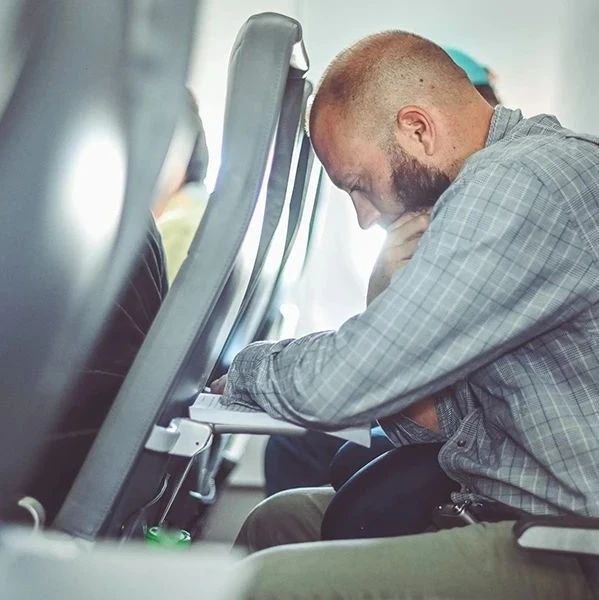
Delta Air Lines Tests AI-Powered Personalized Pricing
PYMNTS.com· 2025-07-22 19:02
Core Insights - Delta Air Lines is implementing an AI-powered personalized pricing system that tailors airfares to individual customers, with plans to expand its use to 20% of flights by the end of 2025 [1][3][19] - The initiative has sparked controversy, with lawmakers and advocacy groups labeling it as "predatory" and raising concerns about privacy and fairness [1][9][17] - Delta aims to gain a competitive edge by being a first mover in this pricing strategy, which is a significant shift from traditional pricing models [7][19] Company Strategy - Delta's AI pricing system is currently in a testing phase, being used on 3% of flights, and results so far have been described as encouraging by Delta's CEO [3][19] - The system adjusts prices based on individual behaviors such as booking history and device use, differentiating it from traditional dynamic pricing [4][5][6] - Delta's President emphasized that this approach represents a full reengineering of pricing strategies, aiming to provide individualized offers rather than static price grids [7][19] Industry Context - The practice of personalized pricing, also referred to as surveillance pricing, is already being utilized by various retailers and could lead to broader adoption in the airline industry [4][10][12] - Other airlines, including United and American, are also exploring AI in revenue management, indicating a potential trend in the industry [19] - The Federal Trade Commission has noted that surveillance pricing is prevalent in retail, with concerns about ethical implications and consumer privacy [10][13] Regulatory and Ethical Concerns - There are significant regulatory risks associated with personalized pricing, particularly in Europe where GDPR imposes strict limitations on data usage [1][17] - Concerns have been raised about potential discrimination and the possibility of lawsuits if consumers feel unfairly targeted by pricing algorithms [17][15] - Experts suggest that Delta may be overestimating its ability to accurately assess individual price sensitivity, which could lead to volatility in pricing decisions [13][14]

美国达美航空一名飞行员称,该航司一架飞机上周被迫放弃在北达科塔州的着陆计划,从而避免与一架B-52轰炸机相撞。(ABC News,彭博)
news flash· 2025-07-21 15:13
Group 1 - A Delta Airlines pilot reported that a plane was forced to abandon its landing attempt in North Dakota to avoid a collision with a B-52 bomber [1]
弱消费碾压高关税,美国经济转变加剧
Di Yi Cai Jing· 2025-07-21 12:08
Group 1: Economic Overview - The U.S. economy is experiencing a broader structural shift characterized by persistent deflationary pressures, declining energy demand, and a deteriorating labor market [1][7][11] - Consumer discretionary spending is slowing down, indicating a significant impact on industries such as travel, hospitality, and leisure [1][5][11] Group 2: Consumer Spending and Price Trends - The Consumer Price Index (CPI) report for June shows a notable weakness in discretionary spending categories, with hotel and motel prices decreasing by 3.7% [2][3] - The Producer Price Index (PPI) data indicates a rare deflationary trend, with a net change of -0.1% over four months, and core PPI showing a decline for the first time since June 2020 [2][3] Group 3: Energy Demand Insights - Energy usage data confirms a decline in consumer activity, with gasoline consumption dropping to an average of 8.49 million barrels per day, significantly lower than previous years [4] - Overall oil demand is also reflecting this weakness, with total oil supply averaging around 20.1 million barrels per day, slightly above 2022 levels but below 2023 and 2024 [4] Group 4: Corporate Responses and Market Sentiment - Major hotel chains like Hilton and Wyndham have adjusted their revenue growth forecasts due to slowing consumer travel spending, attributing this to economic uncertainty [5][6] - Airlines such as Delta and Southwest have retracted their financial forecasts for 2025, reflecting a cautious outlook on consumer behavior [5][6] Group 5: Labor Market Challenges - The labor market is showing signs of deterioration, with the unemployment rate rising to 4.2% and non-farm employment growth slowing to an average of 120,000 per month [7][8] - Real disposable income growth is stagnating, with a reported annualized growth rate of 0.8% in Q2 2025, impacting consumer spending on non-essential items [7][8] Group 6: Market Discrepancies - The U.S. stock market has reached historical highs despite the underlying economic data indicating persistent consumer weakness, suggesting a disconnect between market sentiment and economic reality [9] - The optimism surrounding a potential rebound in consumer spending post-trade uncertainty may be misplaced, as structural issues in the economy are likely to persist [9][10] Group 7: Implications for Policy and Business Strategy - Policymakers may need to reconsider their stance on interest rates in light of the deflationary trends in discretionary sectors, potentially requiring more accommodative measures to stimulate demand [10] - Companies in the hospitality and airline sectors may need to adapt to prolonged periods of weak demand, possibly implementing cost-cutting measures that could further impact consumer confidence [10][11]


美媒:未收到预警情况下发现B-52轰炸机快速接近,达美航空一客机采取“激进机动措施”避免相撞
Huan Qiu Wang· 2025-07-21 02:56
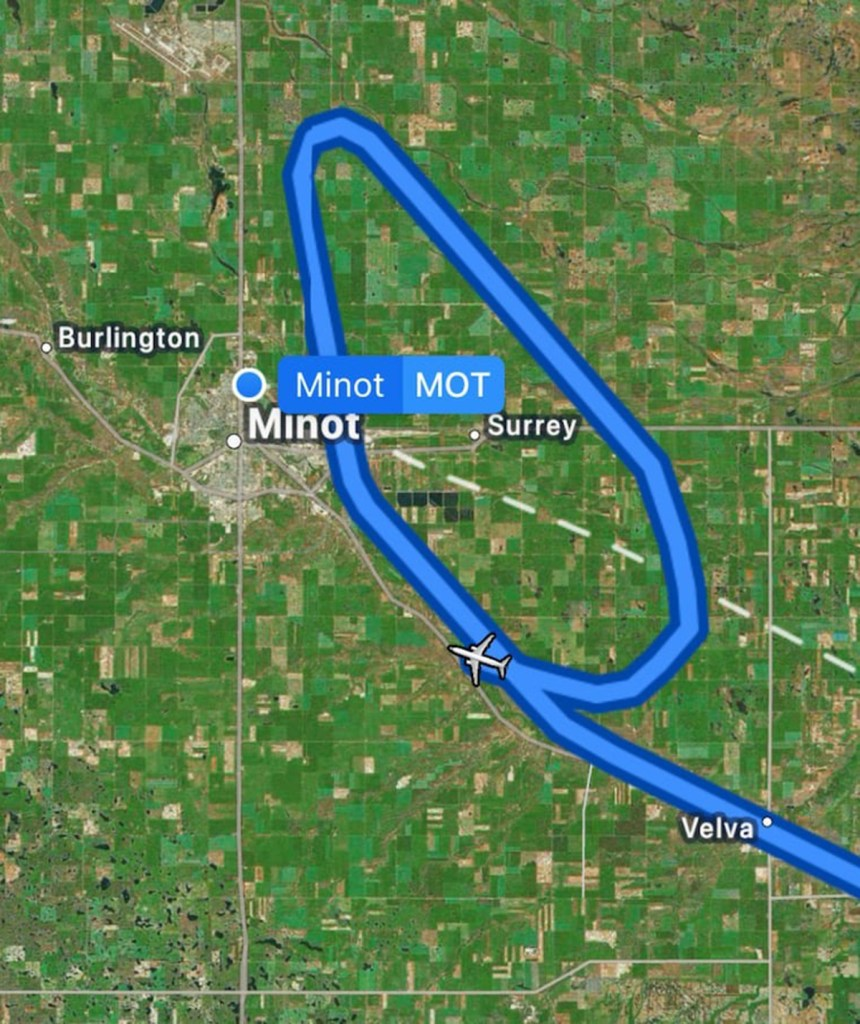
【环球网报道】据美国广播公司(ABC)、《纽约邮报》等媒体当地时间20日报道,美国达美航空公司7月18日从明尼苏达州明尼 阿波利斯市圣保罗国际机场飞往北达科他州迈诺特国际机场的DL3788号航班在飞行途中险些与一架B-52轰炸机相撞。该飞机飞行 员称,为避免与这架轰炸机在空中相撞,他采取了"激进的机动措施"。 美媒解释称,迈诺特空军基地驻扎着第5轰炸机联队和第91导弹联队,还部署有大量美国空军装备和车辆,包括26架B-52轰炸机。 对此,运营该航班的美国支线航空公司"天西航空"在声明中称,该航班在获得塔台准许后安全降落在迈诺特,该公司正在调查此 事。 美国空军一名发言人20日晚间对ABC表示,"我们注意到最近有关商用飞机和空军飞机在迈诺特国际机场附近空域飞行的报道。我 们目前正在调查此事。我们可以确认,一架部署在迈诺特空军基地的B-52轰炸机于周五(18日)晚间飞越了北达科他州博览会"。 同样报道相关消息的《印度时报》援引航空资讯网站Aviation A2Z的消息报道称,该飞行员报告称,由于与前方进场航线上另一架 飞机的间隔不够,空中交通管制员指示这架DL3788号航班改变航线。但当机组人员按照指示改变航线时 ...
又是“美国优先” 美交通部对墨西哥航空业“下手”
Xin Hua She· 2025-07-20 11:22
Group 1 - The U.S. Department of Transportation has announced measures against Mexican airlines due to alleged violations of bilateral aviation agreements, specifically regarding flight schedules at Mexico City’s Benito Juárez International Airport [1][2] - The U.S. has threatened to deny flight applications from Mexican carriers if concerns are not addressed, and has required Mexican airlines to submit all flight itineraries involving the U.S. for approval [1][2] - The measures are seen as a response to Mexico's actions that the U.S. claims are anti-competitive and violate the 2015 aviation agreement [1] Group 2 - Delta Air Lines and Aeroméxico have been collaborating since 2016, but the U.S. has previously threatened to penalize these companies due to the ongoing dispute [2] - The U.S. measures are part of broader trade tensions, as the U.S. has also announced tariffs on Mexican imports, including a 30% tariff on goods starting August 1 and approximately 17% on fresh tomatoes [2]
引擎突然起火,美国一波音客机紧急返航
财联社· 2025-07-20 06:24
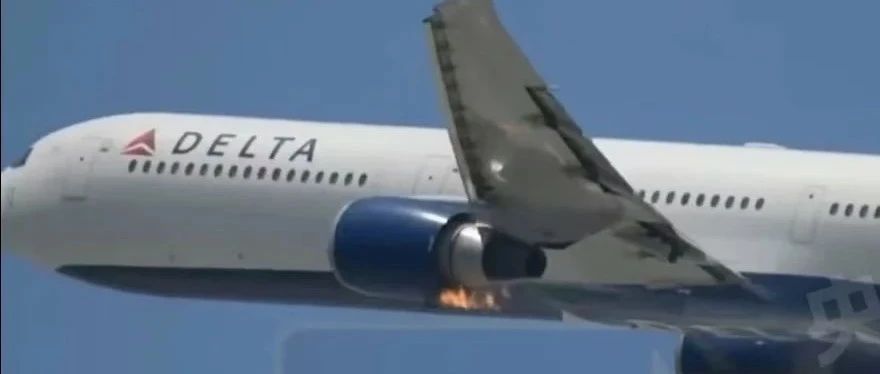
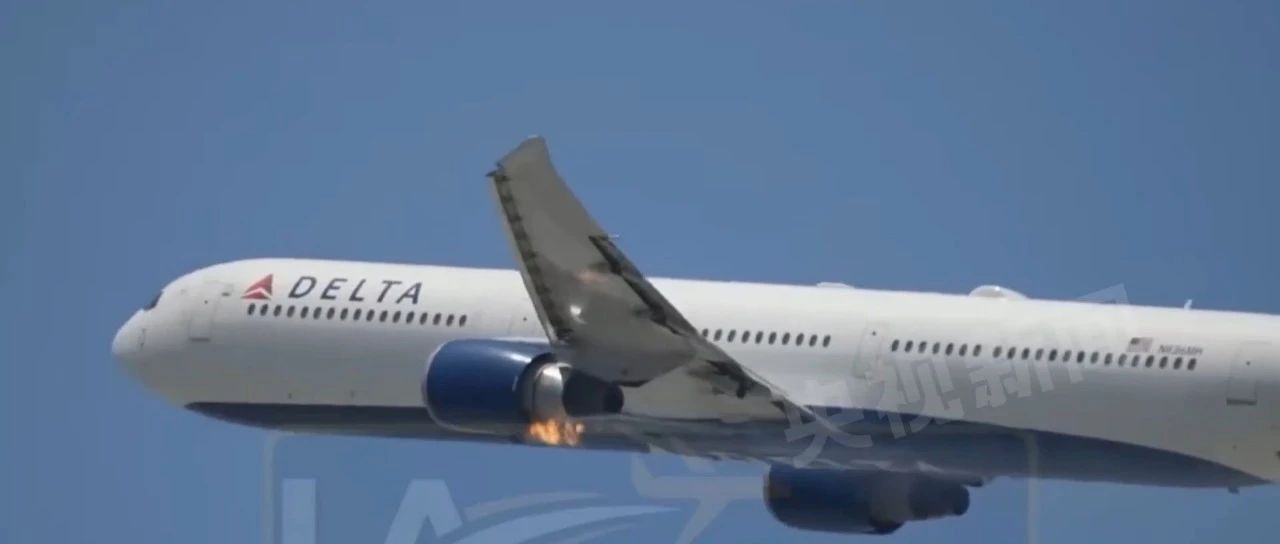
目前,美国联邦航空局已介入调查。 据央视新闻,当地时间18日,达美航空公司一架波音767客机按计划从美国加州洛杉矶飞往佐治亚州 的亚特兰大,但客机在起飞后不久,左侧引擎突然起火。执飞机组随后返航洛杉矶机场,在起飞25 分钟后,客机安全降落。事件中未有人员伤亡。 ...
起飞后引擎突然起火!达美航空一波音客机紧急返航洛杉矶
第一财经· 2025-07-20 04:16
据央视新闻,当地时间18日,达美航空公司一架波音767客机按计划从美国加州洛杉矶飞往佐治亚 州的亚特兰大,但客机在起飞后不久,左侧引擎突然起火。执飞机组随后返航洛杉矶机场,在起飞 25分钟后,客机安全降落。事件中未有人员伤亡。 2025.07. 20 目前,美国联邦航空局已介入调查。 三小时搬800箱,一台机器人或可替代约1.4~2名工人!实探智元机器人落地工厂 推荐阅读 微信编辑 | 苏小 ...
二季度收入创纪录,达美加速布局中美航线
Hua Xia Shi Bao· 2025-07-19 13:18
Core Viewpoint - The article discusses the gradual recovery of direct flights between China and the U.S. since the pandemic, highlighting Delta Air Lines' plans to expand its services in this market, particularly with the reintroduction of flights from Hong Kong to Los Angeles. Group 1: Market Recovery - Direct flights between China and the U.S. have significantly declined from over 300 weekly flights in 2020 to less than 40% of pre-pandemic levels due to various restrictions [1] - Despite the slow recovery, demand for direct flights remains high, prompting airlines to explore new routes and expand services [1] Group 2: Delta Air Lines' Expansion Plans - Delta Air Lines announced plans to launch daily direct flights between Hong Kong International Airport (HKG) and Los Angeles International Airport (LAX) starting June 8, 2026, following the resumption of flights from Shanghai to Los Angeles [2] - This marks Delta's return to Hong Kong after an eight-year hiatus, previously citing market demand and rising fuel prices as reasons for its departure [2] Group 3: Competitive Landscape - The competitive dynamics in the trans-Pacific aviation market have shifted post-pandemic, with U.S. carriers increasing their focus on this market despite previous challenges [3] - Hong Kong International Airport has seen a resurgence, moving from 12th to 9th in global airport rankings for international passenger throughput, with a 21.6% increase in passenger volume to 54.9 million in 2024 [3] Group 4: Delta's Fleet and Service Offerings - Delta will operate the new Hong Kong route using the Airbus A350-900, offering four classes of service, including a premium business class with enhanced amenities [4] - The airline aims to attract high-end travelers by investing in service quality and operational efficiency [5] Group 5: Financial Performance - Delta Air Lines reported record operating revenue of $15.5 billion for Q2 2025, a 1% increase year-over-year, with a strong focus on maintaining high-profit margins [7] - The airline's CEO projected an annual earnings per share of $5.25 to $6.25 and free cash flow of $3 billion to $4 billion, aligning with long-term financial goals [8]