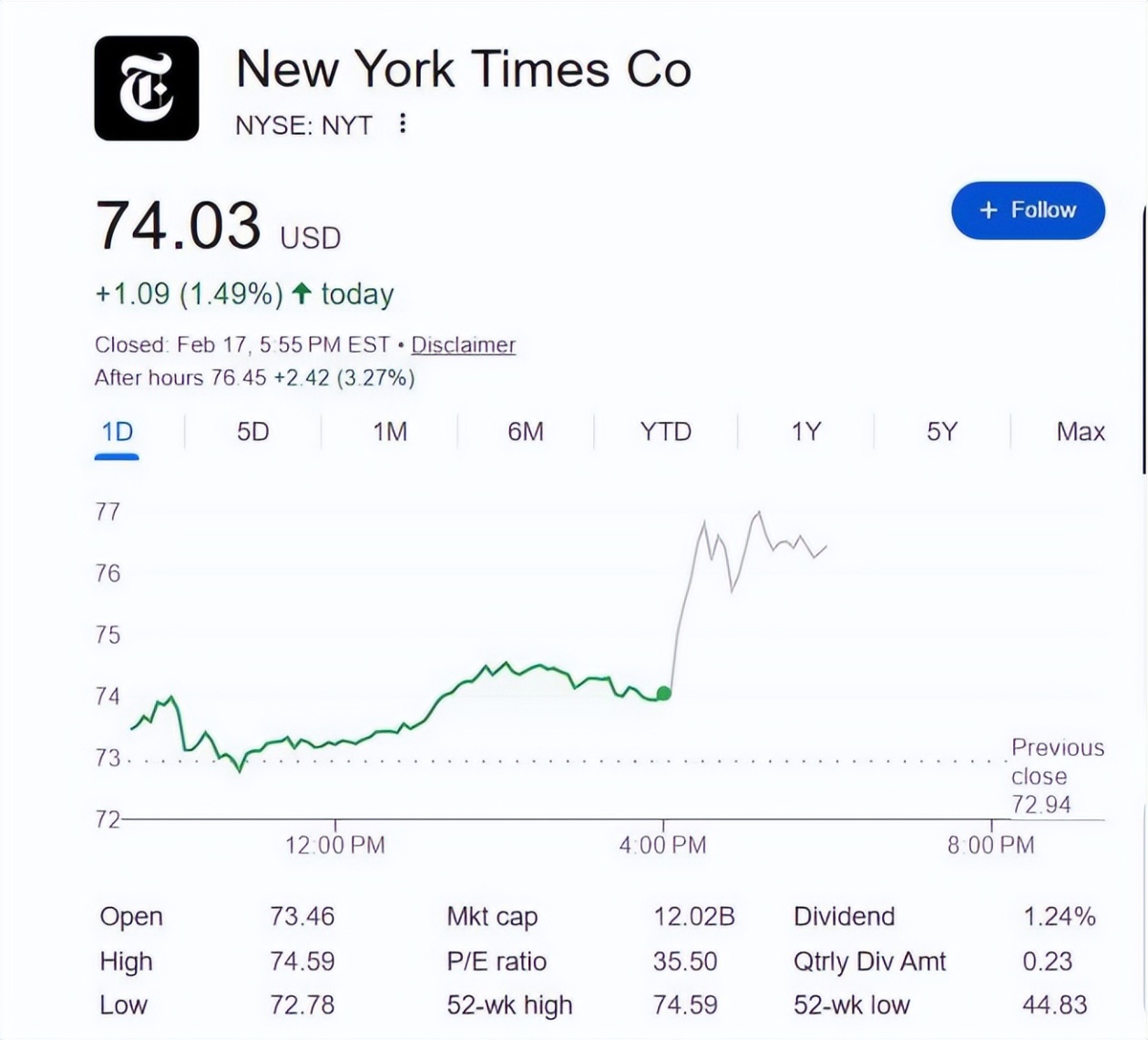
New York Times(NYT)

Search documents
巴菲特交棒前最后一份13F:伯克希尔Q4减持苹果、美银,猛砍亚马逊持仓,建仓纽约时报
智通财经网· 2026-02-18 06:29
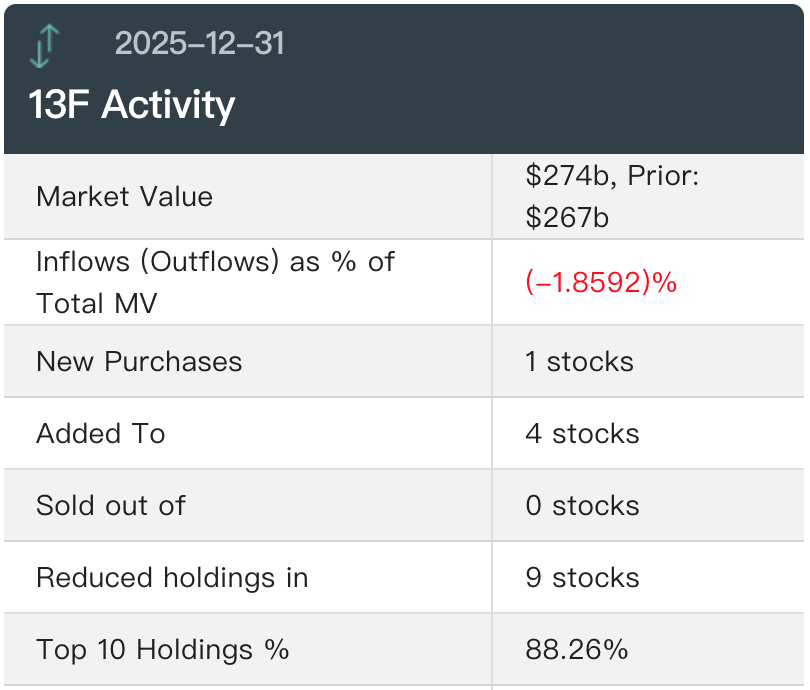
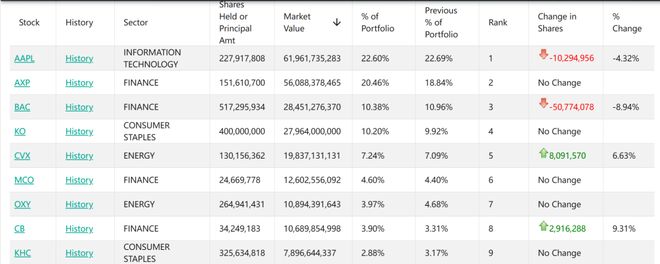
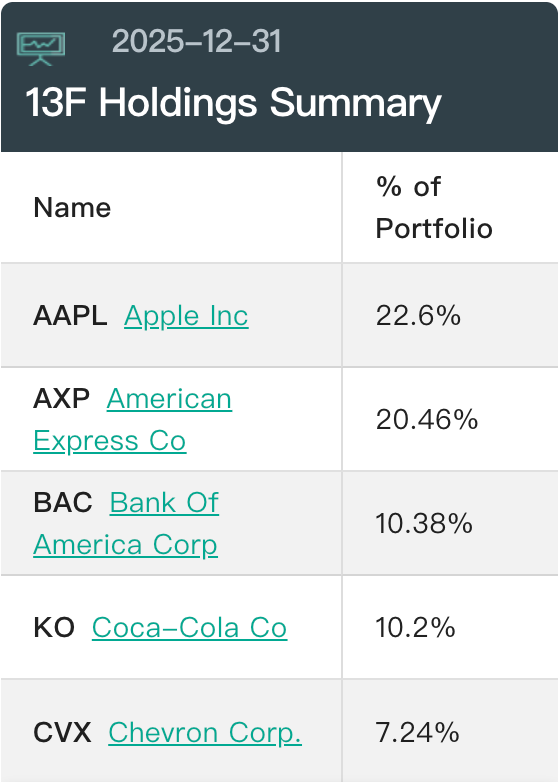
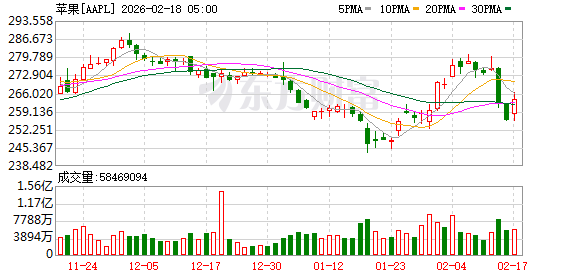
Core Viewpoint - Berkshire Hathaway submitted its last 13F holdings report under Warren Buffett's leadership, revealing significant adjustments in its portfolio, including reductions in major tech holdings and a new investment in traditional media [1]. Holdings Summary - The total market value of Berkshire Hathaway's holdings for the fourth quarter was $274 billion, an increase from $267 billion in the previous quarter [2]. - The report indicated one new purchase, four increased positions, and nine reduced positions, with no complete sell-offs [2]. - The top ten holdings accounted for 88.26% of the total market value [2]. Major Holdings - Apple (AAPL) remains the largest holding with approximately 227.9 million shares valued at about $61.96 billion, representing 22.60% of the portfolio, a decrease of 4.32% in share count from the previous quarter [2][3]. - American Express (AXP) is the second-largest holding with around 151.6 million shares valued at approximately $56.09 billion, maintaining the same share count as the previous quarter [2]. - Bank of America (BAC) ranks third with about 517.3 million shares valued at approximately $28.45 billion, reflecting an 8.94% reduction in share count [3]. - Coca-Cola (KO) is fourth with 400 million shares valued at about $27.96 billion, with no change in share count [3]. - Chevron (CVX) is fifth with approximately 130.2 million shares valued at about $19.84 billion, showing an increase of 6.63% in share count [3]. Notable Changes - Berkshire Hathaway significantly reduced its stake in Amazon (AMZN), decreasing its holdings by 77.24% to 2.276 million shares, valued at approximately $530 million, which is 0.19% of the portfolio [4]. - The company initiated a new position in The New York Times (NYT), acquiring 5.067 million shares valued at approximately $352 million, representing 0.13% of the portfolio [4]. - The top five purchases included Chubb Limited, Chevron, The New York Times, Domino's Pizza (DPZ), and Lamar Advertising (LAMR) [5]. - The top five sales included Amazon, Bank of America, DaVita (DVA), Pool Corporation (POOL), and Apple [5].





巴菲特,最新调仓曝光!
Zhong Guo Ji Jin Bao· 2026-02-18 06:09
Core Viewpoint - The article reveals the portfolio adjustments made by Berkshire Hathaway during Warren Buffett's last quarter as CEO, highlighting a shift in holdings with reductions in technology stocks and increases in energy, consumer, and financial sectors [2][4]. Group 1: Overall Portfolio Changes - As of the end of Q4 2025, Berkshire's total portfolio size increased to $274 billion from $267 billion in the previous quarter, with the top ten holdings accounting for 88.26% of the portfolio [2]. - The top ten holdings remained unchanged in terms of companies, but there were slight adjustments in their rankings [2]. Group 2: Major Stock Adjustments - Berkshire reduced its stake in Apple by over 10.29 million shares, a decrease of 4.32%, marking the third consecutive quarter of reduction, with a market value decline of approximately $2.8 billion [4][7]. - A significant reduction in Amazon shares was noted, with a 77.24% decrease in holdings, dropping its portfolio share from 0.82% to 0.19%, leaving nearly 2.3 million shares [5]. - The stake in Bank of America was also reduced, with nearly 50.8 million shares sold, resulting in an 8.94% decrease in holdings [6]. Group 3: New Investments and Increases - Berkshire initiated a new position in The New York Times, purchasing 5.0657 million shares valued at over $350 million, ranking it 30th in the portfolio [8]. - The company increased its holdings in Chevron by over 8.09 million shares, a 6.63% increase, and in Chubb Limited by nearly 2.92 million shares, a 9.31% increase [9]. - Additionally, there was a 12.34% increase in holdings of Domino's Pizza, raising its market value to $1.4 billion [9]. Group 4: Stable Holdings - Coca-Cola and Kraft Heinz holdings remained unchanged, with Coca-Cola valued at $27.96 billion, maintaining its position as the fourth-largest holding [11]. - Berkshire is the largest shareholder of Kraft Heinz, holding approximately 27.5% of the company, which is undergoing a split into two independent publicly traded companies [11].


巴菲特“收官之作”曝光:新建仓这只股票
Zhong Guo Zheng Quan Bao· 2026-02-18 05:53
Core Viewpoint - Berkshire Hathaway disclosed its Q4 2025 U.S. stock holdings report, marking the last quarter under CEO Warren Buffett, showing significant reductions in key positions while also establishing a new position in The New York Times [1] Group 1: Holdings Summary - As of the end of Q4 2025, Berkshire's total holdings value was approximately $274.16 billion, up from $267.33 billion at the end of Q3 2025 [1] - The top five holdings included Apple, American Express, Bank of America, Coca-Cola, and Chevron, with Apple representing 22.6% of the portfolio [2][4] Group 2: Reductions in Holdings - In Q4 2025, Berkshire reduced its Apple shares by approximately 10.3 million, marking a 4.32% decrease, with total Apple shares held at 227.9 million, valued at about $61.96 billion [5] - The company also reduced its Bank of America shares by about 50.8 million, a decrease of 8.94%, leaving it with 517.3 million shares [5] - A significant reduction in Amazon shares was noted, with a decrease of 772.4 thousand shares, representing a 77% reduction [4][5] Group 3: New Investments - Berkshire initiated a new position in The New York Times, acquiring approximately 5.07 million shares valued at about $352 million, marking a re-entry into the media sector after selling its newspaper assets in 2020 [6] - The New York Times reported strong performance in Q4 2025, with total subscription users exceeding 12.78 million and a 10.2% increase in operating profit year-over-year [6]


巴菲特、段永平都在大幅减持这只科技股!巴菲特任内最后操作来了 十大重仓股曝光
Mei Ri Jing Ji Xin Wen· 2026-02-18 04:52
Core Viewpoint - Berkshire Hathaway continues to adjust its technology holdings, reducing stakes in Apple and Bank of America while initiating a position in The New York Times during Warren Buffett's final quarter as CEO [2][3]. Group 1: Berkshire's Holdings Adjustments - In Q4 2025, Berkshire sold over 10.29 million shares of Apple, reducing its stake by 4.3%, with the market value decreasing by approximately $2.8 billion, leading to a decrease in its portfolio share from 22.69% to 22.60% [2]. - Berkshire's stake in Amazon was significantly reduced by over 77%, with holdings dropping to about 2.3 million shares, and the portfolio share falling from 0.82% to 0.19% [3]. - Berkshire sold nearly 50.8 million shares of Bank of America, reducing its holdings by 8.9%, with the stake now at 6.89%, down from 1.03 billion shares in mid-2024 [3]. Group 2: New Investments and Performance - The New York Times was the only new position for Berkshire in Q4, with an acquisition of 5.067 million shares valued at $352 million, representing about 3.1% of the company [3]. - Following the disclosure, The New York Times' stock price surged over 10% in after-hours trading, later stabilizing at a 2.39% increase, with a year-to-date rise of nearly 7% and a 50% increase over the past 12 months [4]. - Berkshire increased its stake in Chevron by over 8.09 million shares, a 6.63% increase, raising its portfolio share to 7.24% with a market value increase of approximately $1.23 billion [5].

刚刚披露,巴菲特“收山之作”!
华尔街见闻· 2026-02-18 04:33
Core Viewpoint - Berkshire Hathaway continues to adjust its technology holdings in the last quarter before Warren Buffett steps down as CEO, significantly reducing its stakes in several major stocks while initiating a position in traditional media, specifically The New York Times [2][4]. Group 1: Stock Adjustments - In Q4, Berkshire reduced its Amazon holdings by over 77%, with the stake dropping from 0.82% to 0.19% of its portfolio, amounting to approximately 2.3 million shares [9][10]. - Apple remains the largest holding in Berkshire's portfolio despite a reduction of over 10.29 million shares, decreasing its value by about $2.8 billion, with its portfolio share slightly declining from 22.69% to 22.60% [6][8]. - Berkshire sold nearly 50.8 million shares of Bank of America, reducing its stake by 8.9% to 6.89%, marking a 50% reduction from mid-2024 [9][10]. Group 2: New Investments - The New York Times was the only new position taken by Berkshire in Q4, with an acquisition of 5.067 million shares valued at approximately $352 million, representing about 3.1% of the company [12][14]. - The stock price of The New York Times has shown strong performance, increasing by 6% year-to-date and 50% over the past 12 months [14]. Group 3: Increased Holdings - Berkshire increased its stake in Chevron by over 8.09 million shares, raising its portfolio share to 7.24% and increasing its value by approximately $1.23 billion [18]. - The company also raised its holdings in Chubb by nearly 2.92 million shares, increasing its portfolio share from 3.31% to 3.90% [17]. Group 4: Top Holdings - As of Q4, Berkshire's top ten holdings remained largely unchanged, with Apple, American Express, and Bank of America retaining their positions, while Chevron and Chubb saw increases in their rankings [21][25].

Warren Buffett's Berkshire Hathaway Bought Shares of The New York Times. Should You?
The Motley Fool· 2026-02-18 04:31
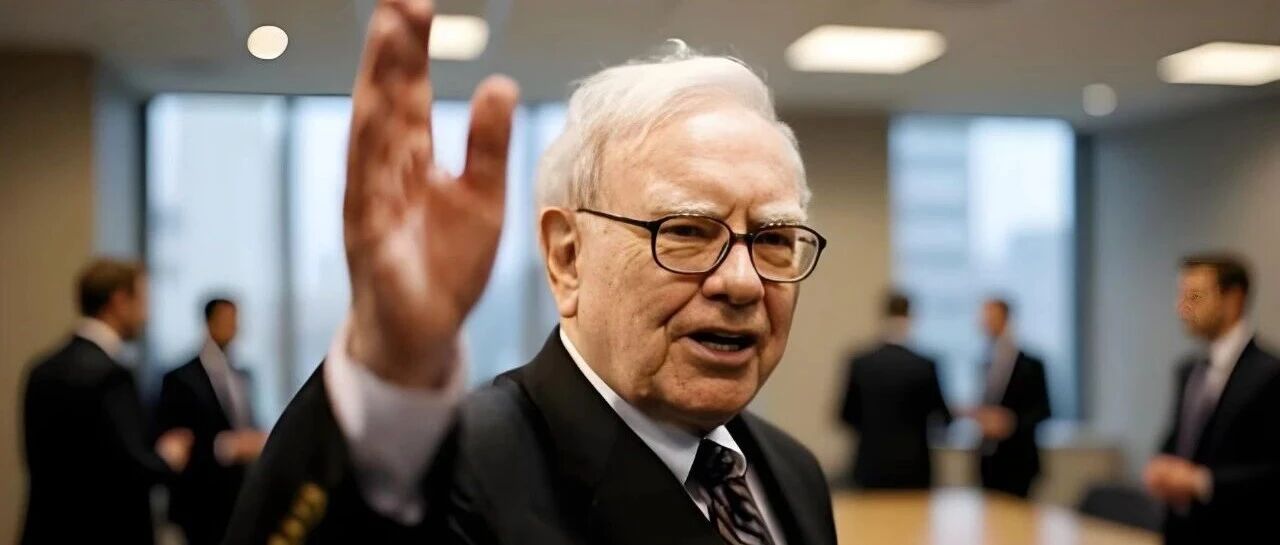
Core Insights - Berkshire Hathaway initiated a 3% stake in The New York Times during Q4, valued at over $350 million, which is approximately 0.1% of Berkshire's overall portfolio [2][3]. Financial Performance - The New York Times reported a 10.4% year-over-year increase in total revenue, reaching $802 million [6]. - Digital-only subscription revenue rose by 13.9% year-over-year, while digital advertising revenue increased by 24.9% [6]. - Adjusted earnings per share grew by 11.2% year-over-year to $0.89 [6]. Future Guidance - For Q1 2026, The New York Times expects digital-only subscription revenue to grow by 14% to 17% year-over-year and digital advertising revenue to increase in the high teens to low twenties [7]. - Management anticipates total advertising revenue to grow at a low double-digit rate year-over-year [7]. Strategic Focus - The New York Times is emphasizing video as a key area for strategic investment, aiming to enhance its presence in video journalism [10]. - The company's reputation as a trusted source may serve as a long-term catalyst, especially as AI-generated content becomes more prevalent [8][9]. Stock Valuation - The New York Times has a market capitalization of over $12 billion, with shares trading at about 35 times earnings and 28 times analysts' consensus forecast for the next 12 months [11][12]. - The stock has increased more than 35% from lower trading levels in Q4, suggesting that the entry point for new investors may not be optimal at this time [11][12].
Buffett cuts Amazon stake, makes bet on New York Times
BusinessLine· 2026-02-18 03:50
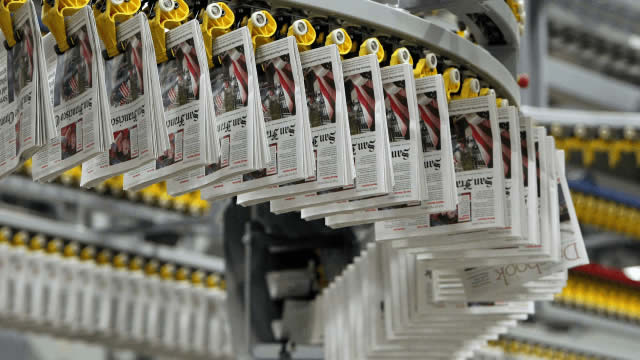
Core Insights - Berkshire Hathaway Inc. significantly reduced its stake in Amazon.com Inc. by over 75% in Q4, while acquiring a new stake in the New York Times Co. valued at $351.7 million [1][2] Investment Changes - Berkshire Hathaway's current holdings in Amazon now stand at approximately 2.3 million shares after the reduction [2] - The company also decreased its stakes in Bank of America Corp. and Apple Inc. to 7.1% and 1.5%, respectively, starting in 2024 [2] New Investments - During the same period, Berkshire Hathaway increased its stakes in Chevron Corp. to 6.5% and Chubb Ltd to 8.7% [3] - The initial investment in Chubb was revealed in May 2024, following a secret accumulation of shares the previous year [3] Strategic Acquisitions - Buffett has been actively pursuing new acquisitions, including a $9.7 billion deal for Occidental Petroleum Corp.'s petrochemical business and a $5.6 billion stake in Alphabet Inc. [4] - Following the announcement of the New York Times Co. investment, its shares rose over 10% in post-market trading [4]
巴菲特,收官持仓曝光!
证券时报· 2026-02-18 03:01
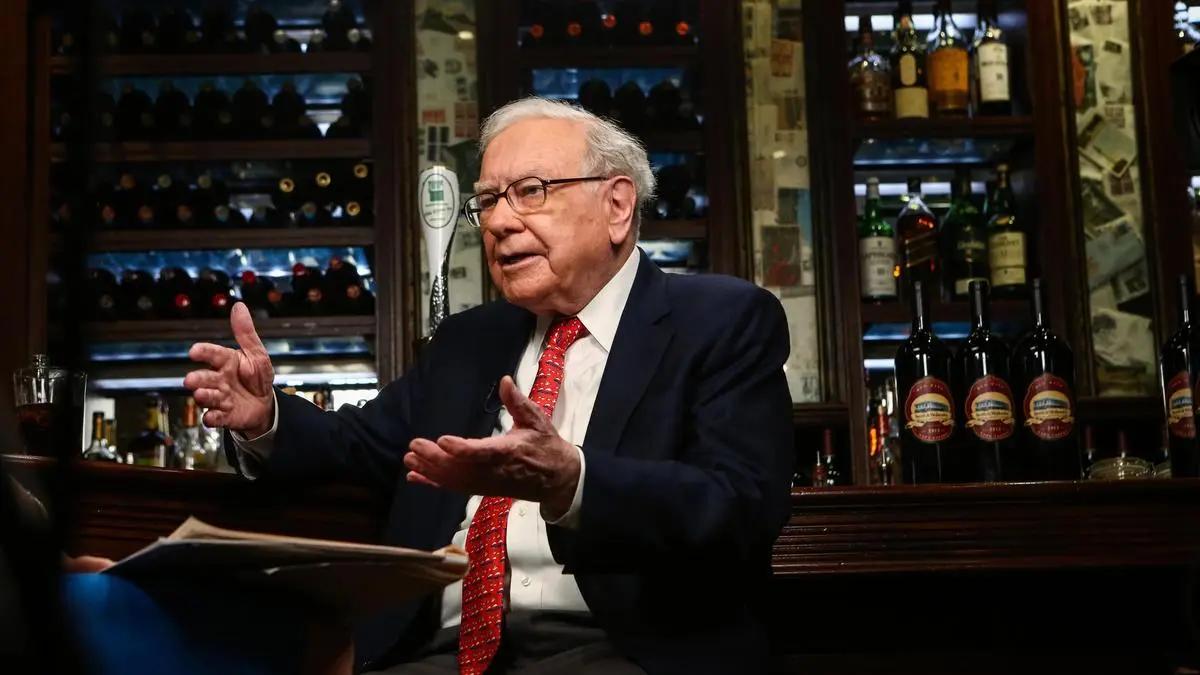
"股神" 巴菲特退休前最后一次操作备受全球投资者关注。 当地时间2月17日美股盘后,伯克希尔・哈撒韦向美国证券交易委员会(SEC)提交了2025年第四季度13F持仓报告,这也是巴菲特担任公司CEO期间的最 后一份季度持仓报告。 报告显示,2025年第四季度,伯克希尔大幅减持亚马逊,同时继续减持苹果等股票;同时新建仓纽约时报,该股也是巴菲特在该季度唯一一只新进个股。 2025年底,巴菲特正式退休,从伯克希尔CEO岗位上卸任。 减持亚马逊与苹果等股票 根据伯克希尔提交的报告,截至2025年12月底,伯克希尔最新持仓市值达2741亿美元,其中,前十大持仓公司市值占比高达88.26%。 从持仓动向来看,伯克希尔2025年第四季度大幅减持亚马逊股票。从持仓占比变动来看,该股是伯克希尔当季度减持幅度最大的个股,在投资组合中的占 比从2025年三季度的0.82%大幅降至0.19%,降幅达0.63个百分点,持股数量降至约230万股。 新建仓纽约时报 纽约时报是伯克希尔2025年四季度唯一新进的个股。 报告显示,当季度,伯克希尔建仓纽约时报超过506万股,市值约3.52亿美元。 在伯克希尔持仓情况披露后,纽约时报在盘后交易中股 ...
Warren Buffett's Berkshire cuts Amazon stake by 75%, bets $351.7 million on New York Times — Check what was adjusted
MINT· 2026-02-18 02:29
Group 1 - Berkshire Hathaway reduced its stake in Amazon by over 75% in Q4, while investing $351.7 million in the New York Times Company [1][3] - The company acquired 5.1 million shares of the New York Times Company, valued at $351.7 million at year-end [3] - Berkshire continued to trim its stakes in Bank of America and Apple, reducing them to 7.1% and 1.5%, respectively [4] Group 2 - Berkshire increased its stakes in Chevron and Chubb to 6.5% and 8.7%, respectively, during the same period [5] - Chubb's shares rose approximately 11% in Q4 after reports of an informal approach to acquire American International Group Inc. [5] - Warren Buffett has been active in making purchases, including a $9.7 billion deal for Occidental Petroleum Corp.'s petrochemical business and a $5.6 billion stake in Alphabet Inc. [6]

巴菲特卸任前最后一季13F出炉:建仓纽约时报 减持苹果美银亚马逊
Huan Qiu Wang· 2026-02-18 01:54
Core Viewpoint - Berkshire Hathaway continues to adjust its technology and financial heavyweights while initiating a position in traditional media with The New York Times in the fourth quarter [2] Group 1: Stock Adjustments - Berkshire reduced its stake in Apple for the third consecutive quarter, selling 10.29 million shares, resulting in a 4.3% decrease in holdings and a market value reduction of approximately $2.8 billion, although Apple remains the top holding [2] - The company decreased its position in Bank of America by nearly 50.8 million shares, an 8.9% reduction, with a cumulative decrease of about 50% over the past year and a half [2] - Amazon saw the largest reduction, with a 77.2% decrease in holdings, dropping to approximately 2.3 million shares, and its portfolio share plummeting from 0.82% to 0.19% [2] Group 2: New Investments - The New York Times was the only new position initiated by Berkshire in the fourth quarter, acquiring 5.067 million shares valued at approximately $352 million, representing about 3.1% of the company [2] - Following the announcement of the New York Times position, its stock price surged over 10% in after-hours trading [2] Group 3: Increased Holdings - Berkshire increased its stake in Chevron by over 8.09 million shares, leading to a market value increase of approximately $1.23 billion [2] - The company also raised its holdings in Chubb Limited by nearly 2.92 million shares, reflecting a 9.3% increase in share count [2] - Additionally, Berkshire increased its position in Domino's Pizza by 368,000 shares, bringing its total holdings to approximately $1.4 billion [2] Group 4: Top Holdings - As of the end of the fourth quarter, Berkshire's top ten holdings remained consistent, including Apple, American Express, Bank of America, Coca-Cola, Chevron, Moody's, Occidental Petroleum, Chubb Limited, Kraft Heinz, and Alphabet [2]