Philips(PHG)

Search documents
AI医疗十年蜕变:超90%患者深度拥抱,中国正引领诊疗范式大变革
GLP1减重宝典· 2025-11-19 15:40
Core Insights - The article emphasizes that the true potential of AI in healthcare can only be realized by deeply integrating it into clinical workflows and gaining the trust of both patients and healthcare providers [4][9][18] - A recent report indicates that nearly 90% of Chinese patients believe AI can enhance healthcare quality, significantly higher than the global average of 59% [6][9] - China is rapidly emerging as a global leader in healthcare AI innovation, driven by urgent needs such as an aging population and uneven resource distribution [9][11] Group 1: AI Integration in Healthcare - The integration of AI into clinical settings is essential for transforming diagnostic pathways and improving patient experiences [4][9] - A roundtable forum hosted by Philips and "Medical Trends" discussed the core capabilities needed for healthcare systems as AI transitions from concept to reality [4][9] - The report highlights that 33% of Chinese healthcare professionals feel AI has allowed them to spend more time on patient care, a figure notably higher than in many developed countries [11] Group 2: Challenges and Opportunities - Despite the promising outlook, challenges such as standardization, data quality, and cross-scenario connectivity need to be addressed for AI in healthcare to reach its full potential [11][14] - Experts anticipate that overcoming these bottlenecks could lead to a "transformational" new landscape for AI in healthcare within the next three years [11][14] - The article outlines three core expectations for AI in clinical workflows: enhancing patient flow efficiency before examinations, standardizing image and data generation during examinations, and automating report generation post-examination [11][14] Group 3: Future Directions - The future of AI in healthcare is expected to evolve from isolated applications to comprehensive, system-level solutions that integrate various aspects of patient care [15][16] - Hospitals are seen as key "connectors" that can facilitate the integration of AI into clinical practice by collaborating with technology providers and academic institutions [16][18] - Philips' strategic framework for advancing AI in healthcare focuses on four dimensions: image quality, predictive accuracy, operational efficiency, and clinical practice [22][23] Group 4: Industry Leadership - China is positioned to lead the global application of AI in healthcare due to its high acceptance rates, user trust, and supportive policies [18][19] - The article suggests that collaborative efforts among industry players will be crucial for achieving successful AI integration in healthcare [19][25] - The next three years are critical for identifying industry pioneers who can effectively implement AI solutions in clinical settings [25]



Philips and Cortechs.ai extend partnership to advance quantitative neuroimaging and strengthen Philips’ leadership in precision diagnostics in neurology
Globenewswire· 2025-11-19 14:00
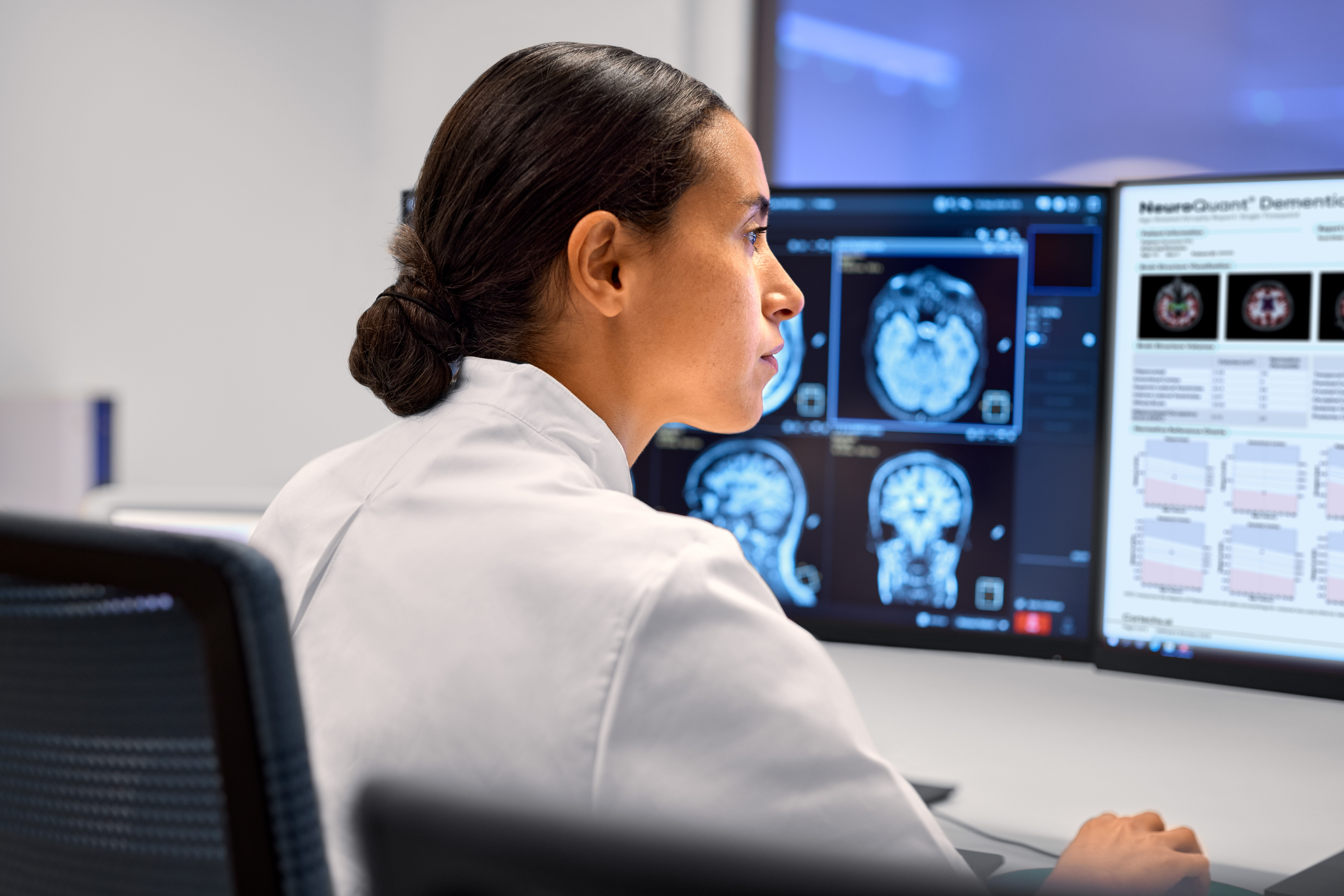
Core Insights - Royal Philips has announced an extended partnership with Cortechs.ai to integrate advanced AI-enabled neuroimaging analytics into Philips' MR systems, enhancing precision in neuro diagnostics [1][6][7] Group 1: Partnership and Integration - The collaboration aims to combine Philips' MR technologies with Cortechs.ai's AI-driven quantitative neuroimaging software, transforming the detection, monitoring, and management of neurological diseases [1][3] - The integration will provide clinicians with standardized and data-driven imaging, allowing for objective numerical data alongside images, which enhances diagnostic speed and consistency [3][5] Group 2: Market Context and Demand - Approximately 25% of all MR procedures are brain scans, with increasing demand due to a rise in neurological conditions such as Alzheimer's, multiple sclerosis, and brain tumors [2] - The current interpretation of neurodegenerative diseases relies heavily on visual assessment, which introduces variability and requires significant expertise [2] Group 3: Benefits of AI Integration - The integration of Cortechs.ai's NeuroQuant® solutions within Philips' Smart Reading environment will enable automatic generation of AI-driven quantitative reports, streamlining the workflow for clinicians [4][5] - This zero-click process ensures quality-checked data and standardized outputs, allowing radiologists to interpret brain scans more objectively and efficiently [5][6] Group 4: Strategic Goals - Philips aims to enhance productivity and improve patient care through deep AI integration, addressing workforce shortages and the growing demand for advanced diagnostics [6] - The partnership reinforces Philips' commitment to advancing neurology, enabling healthcare providers to deliver better care more efficiently [7][12]
Philips and Cortechs.ai extend partnership to advance quantitative neuroimaging and strengthen Philips' leadership in precision diagnostics in neurology
Globenewswire· 2025-11-19 14:00
Core Insights - Royal Philips has announced an extended partnership with Cortechs.ai to integrate advanced AI-enabled neuroimaging analytics into Philips' MR systems, enhancing precision in neuro diagnostics [1][3][8] - The collaboration aims to address the increasing demand for brain scans and the rising prevalence of neurological conditions, providing clinicians with standardized and data-driven imaging solutions [2][4] Group 1: Partnership and Integration - The partnership will combine Philips' next-generation MR technologies with Cortechs.ai's AI-driven quantitative neuroimaging software, transforming the detection and management of neurological diseases [1][3] - The integration of Cortechs.ai's NeuroQuant® solutions into Philips' Smart Reading environment will facilitate a cloud-based AI platform that streamlines imaging, reading, and reporting processes [4][5] Group 2: Clinical Benefits - Clinicians will benefit from automatic AI-generated quantitative reports within their standard MR workflow, enhancing the objectivity and speed of brain scan interpretations [5][6] - The zero-click process ensures quality-checked data and standardized outputs, allowing radiologists to interpret brain scans more confidently and efficiently [5][6] Group 3: Industry Context - Approximately 25% of all MR procedures are brain scans, with a growing demand for advanced diagnostics amid staff shortages in radiology departments [2] - The integration of AI in neuroimaging is expected to improve productivity and care quality, addressing pressing challenges in healthcare [6][7]

Philips brings AI into the procedure room to assist doctors during heart valve repair
Globenewswire· 2025-11-17 13:00
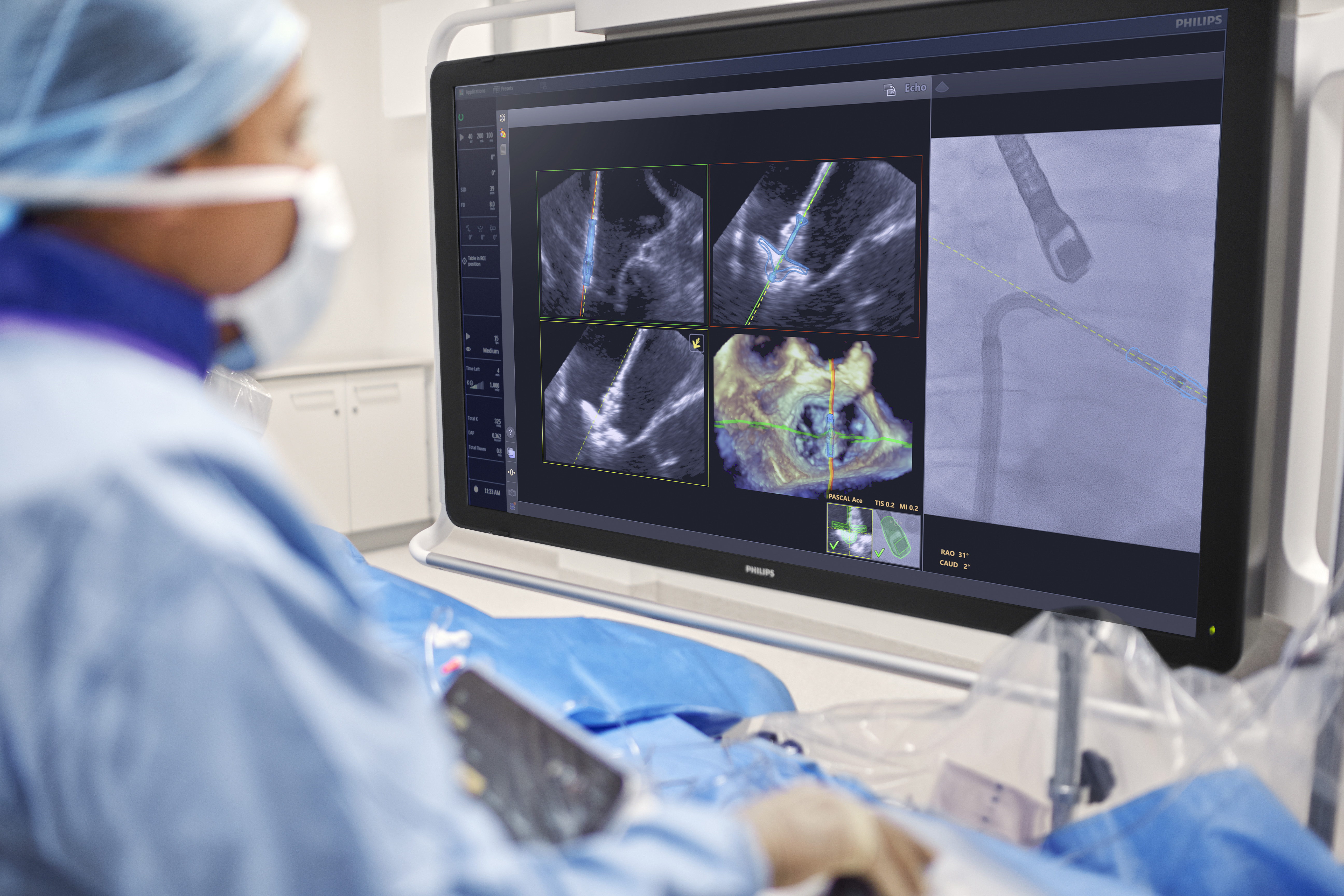
Core Insights - Royal Philips has introduced DeviceGuide, an AI-powered device tracking solution designed to assist physicians during minimally invasive heart valve repair procedures, enhancing clarity and confidence in navigating the beating heart [1][2][5]. Company Overview - Royal Philips is a global leader in health technology, focusing on improving health and well-being through innovation, with a strong emphasis on patient-centric solutions [12][13]. - The company generated sales of EUR 18 billion in 2024 and employs approximately 67,000 people across more than 100 countries [13]. Product Details - DeviceGuide is built on Philips' EchoNavigator platform and utilizes AI to provide real-time visual guidance during interventional cardiology procedures, specifically for repairing leaking mitral valves [1][4]. - The solution combines live echo and X-ray images to create a virtual 3D model of the treatment device, allowing clinicians to see its position and orientation within the heart [5][6]. Clinical Impact - Mitral valve regurgitation affects over 35 million adults globally, leading to symptoms such as shortness of breath and fatigue, and can result in severe complications if untreated [2][3]. - DeviceGuide aims to assist physicians in performing transcatheter edge-to-edge repair (M-TEER) procedures, which are vital for patients who are not suitable candidates for open-heart surgery [3][4]. Collaboration - The development of DeviceGuide involved collaboration with Edwards Lifesciences, integrating Philips' imaging and AI expertise with Edwards' leadership in structural heart innovation [6][10]. Future Outlook - The introduction of DeviceGuide exemplifies the potential of combining advanced imaging and therapy expertise to innovate procedural workflows, setting a precedent for future AI-enabled, image-guided interventions [7][10].
20 Tech Gifts for Men
Medium· 2025-11-16 18:58
Core Points - The article presents a curated list of 20 tech gifts for men, emphasizing the blend of practicality and excitement in gift-giving [2][51] - The gifts cater to various interests, ensuring that recipients stay updated with the latest technology [2][51] Group 1: Gift Ideas - The Apple Watch Series 7 is highlighted for its stylish design and features like heart rate monitoring and fitness tracking [5][9] - Sony WH-1000XM4 Wireless Headphones are noted for their active noise cancellation and long battery life, making them ideal for music lovers and travelers [6][10] - JBL Flip 5 Waterproof Bluetooth Speaker is recognized for its portability and high-quality sound, suitable for outdoor activities [7][11] Group 2: Smart Home and Gaming - Google Nest Audio is featured for its exceptional sound quality and smart capabilities, allowing control of smart home devices [12] - Xbox Series X is presented as a top choice for gamers, offering faster load times and 4K gaming capabilities [13][17] - Echo Show 8 combines smart home control with video calling features, enhancing the interactive experience [36][40] Group 3: Health and Fitness - Fitbit Charge 5 is recommended for its advanced health tracking features, including heart rate and sleep monitoring [28][32] - Philips Sonicare Diamond Clean Smart toothbrush is noted for its superior cleaning and smart sensors for optimal oral health [50][53] Group 4: Unique Gadgets - GoPro HERO10 Black is highlighted for its rugged design and ability to capture stunning 4K video, perfect for adventure lovers [21][25] - Oculus Quest 2 is presented as a high-tech VR headset, offering immersive gaming experiences [43][47] - Anker MagGo Power Bank is recognized for its compact design and efficiency in keeping devices charged [29][33]






40年深耕,飞利浦开启与华同新的新篇章
第一财经· 2025-11-14 13:09
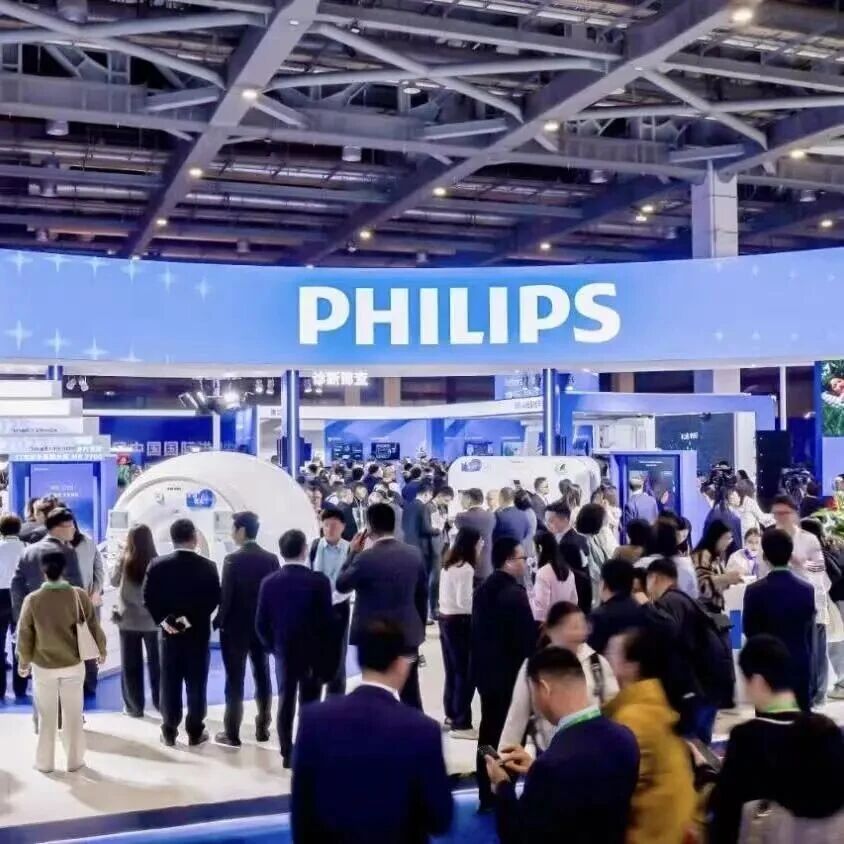
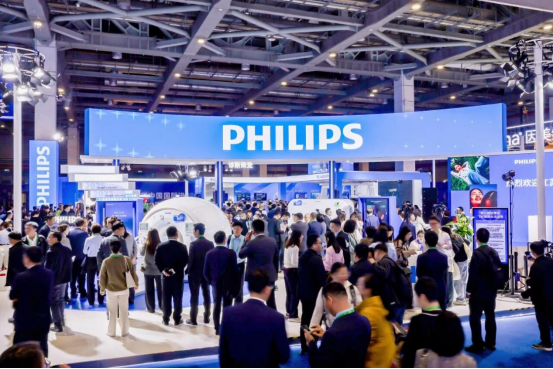
Core Insights - Philips has undergone a transformation in China over the past 40 years, focusing on a new mission of safeguarding health and life [2][4][5] - At the recent China International Import Expo, Philips showcased nearly 50 innovative products and solutions, including ten "China debut" products and over ten AI-enabled products, covering the entire health care spectrum from healthy living to home care [2][4] Group 1: Company Strategy and Market Position - Philips has established itself as a significant player in China's health industry, with the country now being its second-largest global market [4][15] - The company has built a closed-loop system of "local R&D and manufacturing" with five innovation centers and five production bases in China [4][15] - The focus on localization and innovation is seen as a foundation for Philips' new journey in China [5][15] Group 2: Product Innovations and Health Services - Philips aims to enhance health outcomes for more people, addressing the diverse structure of China's healthcare system and the growing health needs of the population [7][11] - The MR7700 multi-nuclear magnetic resonance system, recently registered in China, allows for early diagnosis of diseases like pancreatic disorders and Parkinson's by providing comprehensive metabolic imaging without radiation [9][12] - The introduction of AI-powered products, such as the AI sonic toothbrush, reflects Philips' commitment to extending meaningful innovations from hospitals to home care, addressing the management needs of over 400 million chronic disease patients [9][12] Group 3: AI Integration in Healthcare - Philips invests €1.7 billion annually in R&D, with nearly 50% focused on AI and data science, resulting in almost 1,000 related patents [11][12] - The Spectral CT 7600 exemplifies the integration of AI in clinical imaging, allowing for simultaneous high and low-energy data acquisition, which aids in early disease detection while reducing patient radiation exposure [12][14] - AI-driven solutions, such as the Azurion smart catheter room, enhance surgical precision by integrating pre-operative data and providing personalized treatment plans [14] Group 4: Sustainability and Local Innovation - Philips has achieved over 95% local R&D and manufacturing in China, with a focus on sustainable practices, such as reducing helium usage in MRI machines from over 1,500 liters to just 7 liters [15][16] - The company’s efforts in green healthcare not only address local resource challenges but also contribute to a significant reduction in carbon emissions [16] - Philips' strategy in China is characterized by a systematic and long-term innovation network, aiming to share its advancements globally while addressing local needs [16]
40年深耕,飞利浦开启与华同新的新篇章
Di Yi Cai Jing· 2025-11-14 12:07
Core Insights - Philips has undergone a transformation in China over the past 40 years, focusing on a new mission of safeguarding health and well-being [4] - At the recent China International Import Expo, Philips showcased nearly 50 innovative products and solutions, including ten new products making their debut in China and several AI-enabled offerings [5][4] Company Development - Philips has established itself as a significant player in China's health industry since its first joint venture in 1985, now becoming the company's second-largest global market [4] - The company has built a closed-loop system of local R&D and manufacturing with five innovation centers and five production bases in China [4][12] Product Innovation - Philips aims to enhance health outcomes for more people, addressing the diverse structure of China's healthcare system and the growing health needs of the population [5] - The MR7700 multi-nuclear magnetic resonance system, recently registered with China's NMPA, is a key product that allows for non-radiative, comprehensive biochemical metabolic mapping of the human body [6][5] AI Empowerment in Healthcare - Philips invests €1.7 billion annually in R&D, with nearly 50% focused on AI and data science, resulting in almost 1,000 related patents [7] - The Spectral CT 7600 exemplifies the integration of AI in clinical imaging, allowing for simultaneous high and low-energy data acquisition, improving early disease detection while reducing patient radiation exposure [7][10] Local Manufacturing and Sustainability - Philips has established a complete production chain in Suzhou, achieving 100% localization for certain products, which have served over 2,000 medical institutions globally [12] - The company has significantly reduced the helium requirement for its MRI machines, addressing supply chain vulnerabilities and contributing to a 20% reduction in carbon emissions [12]
飞利浦发布2025中国版未来健康指数报告:AI正在推动医疗模式从“被动治疗”向“主动健康管理”转型
Cai Jing Wang· 2025-11-12 05:36
Core Insights - The report highlights the optimistic attitude of Chinese patients towards AI in healthcare, with 89% believing it enhances care quality, significantly higher than the global average of 59% [1][2] - AI is driving a transformation in China's healthcare model from "passive treatment" to "active health management," with 84% of healthcare professionals recognizing its role in early intervention [2][3] Group 1: Patient and Professional Perspectives - 90% of Chinese patients are willing to embrace technology that improves healthcare accessibility, compared to a global average of 72% [2] - 84% of Chinese healthcare professionals believe AI can play a crucial role in early intervention, and 77% think it can reduce future hospitalization rates [2][3] - Trust issues remain a challenge, with about two-thirds of patients concerned that digital technology may compromise the "human touch" in healthcare [2] Group 2: Trust Building and Systemic Challenges - The most trusted information sources for patients are doctors (96%), healthcare systems (96%), and nurses (95%) [3] - Healthcare professionals identify systemic issues such as legal liability (43%), data bias and quality (41%), and scientific validity (39%) as key areas to enhance trust [3] Group 3: AI Development and Future Trends - The demand for AI in China is described as "rigid" due to the large population and uneven distribution of medical resources [4] - Future AI systems are expected to transition from "point solutions" to "full-process coverage," particularly in imaging, requiring the development of specialized models for various medical fields [4] - Philips invests 9% of its annual revenue in innovation, with half allocated to digital and AI technologies, having registered over 1,000 AI-related intellectual properties [5] Group 4: Collaborative Ecosystem and Global Strategy - The shift in global medical innovation paradigms emphasizes the need for clinical data integration to achieve "implementable AI" [5] - Continuous policy optimization and technological iteration are positioning China as an "ecosystem builder" in healthcare AI, with a clear consensus on the necessity of technology, trust, and collaboration to reshape the future of healthcare [5]
第八届进博会丨开放合作共赢——进博会勾勒全球经济发展蓝图
Xin Hua Wang· 2025-11-11 00:23
Group 1: Event Overview - The 8th China International Import Expo (CIIE) is held in Shanghai from November 5 to 10, with Nigeria as the first guest country [1] - The expo showcases 461 new products, technologies, and services, with an estimated 200+ global debuts [5] - The event has attracted 4,108 foreign enterprises, with exhibition space exceeding 430,000 square meters, setting a historical record [9] Group 2: Innovation and Technology - Philips presents nearly 50 innovative products, including a clinical multi-core MRI that can detect multiple disease metabolic pathways without radiation [2] - Schneider Electric and Sony China Research Institute unveil new technologies, contributing to the expo's role as a global technology innovation platform [5] - Medtronic has launched over 70 new products through the expo, emphasizing the transition from "importing" to "exporting" innovation [5] Group 3: Sustainability Initiatives - Japan Post Logistics introduces a series of diversified supply chain solutions, highlighting a "green solution" that uses alternative fuels to reduce emissions [6] - The 8th Hongqiao International Economic Forum releases the "World Open Report 2025," emphasizing the importance of carbon neutrality and green finance [6] - Companies like Johnson Controls and Procter & Gamble showcase their sustainable development goals and innovations at the expo [6] Group 4: Global Cooperation and Trade - The expo serves as a platform for global cooperation, with participation from 155 countries and regions, reinforcing the commitment to multilateral trade [9] - The cumulative intended transaction amount from the first seven expos exceeds $500 billion, indicating strong international interest [9] - The event highlights the importance of open cooperation and mutual benefits in the global economy [9]


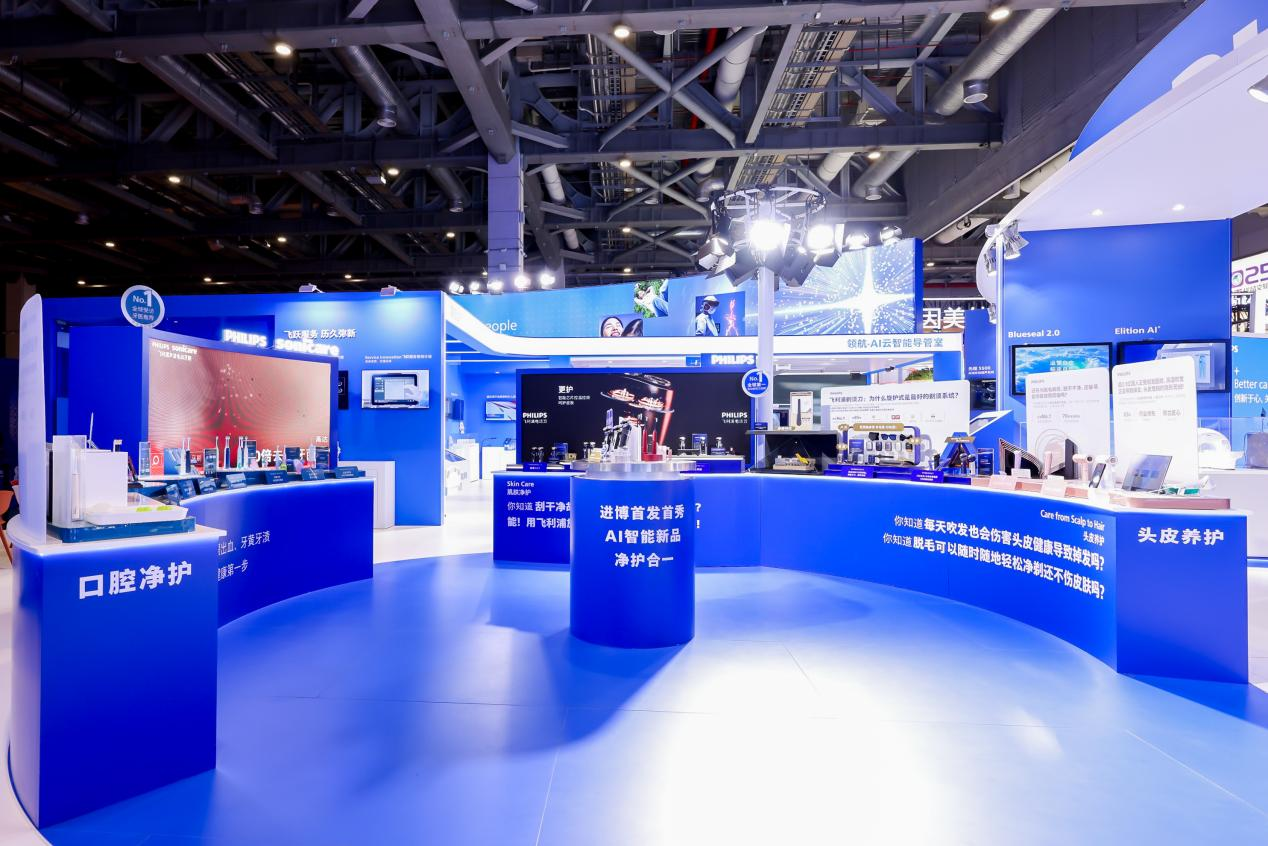
“净护合一”落地生活,看飞利浦进博新品如何重构精细化日常护理
Bei Ke Cai Jing· 2025-11-10 08:49
Core Viewpoint - Philips showcased its health technology solutions at the 8th China International Import Expo, emphasizing the "Integrated Care" concept for personal care, which combines effective cleaning with gentle care across oral, skin, and scalp health [1][3]. Group 1: Health Consumption Trends - The health industry is experiencing rapid growth as consumer attitudes shift from "post-treatment" to "daily prevention," with 94% of Chinese consumers considering health management important and 47% of young people frequently purchasing health products [3]. - Common pain points in daily care include concerns about damaging gums during oral cleaning, skin irritation from shaving, and hair damage from high-temperature drying [3]. Group 2: Technological Solutions - Philips introduced several innovative products, including the Sonicare toothbrush, which utilizes 33 years of research in sonic cleaning technology to effectively clean hard-to-reach areas and remove up to 20 times more plaque [4]. - The newly launched Burgundy Diamond AI electric toothbrush features SenseIQ technology that adjusts brushing pressure in real-time, improving gum health by 15 times in six weeks [6]. - The new 9 Series Pro shaver employs innovative technology for a close shave while minimizing skin irritation, achieving a depth of 0.08 mm [6][10]. Group 3: Consumer Engagement and Promotions - The "Youth Ageless Rejuvenation Station" at the expo attracted significant attention, allowing visitors to experience the benefits of Philips' technology firsthand, leading to enthusiastic feedback and immediate purchases [3][10]. - During the expo, Philips offered exclusive discounts and benefits for its products, including up to 85% off on star products during the "Double Eleven" shopping festival, along with membership perks such as extended warranties and personalized health services [8][10]. Group 4: Future Directions - Philips aims to integrate advanced health technology into daily life, supporting the "Healthy China 2030" initiative by focusing on professional products, technology, and services [11].