Philips(PHG)

Search documents
Kiwi Information Technology Co. Ltd. debuts Philips Home Access Solutions at Big 5 Construct Saudi 2026, deepening channel partnerships across Saudi Arabia
Globenewswire· 2026-01-22 13:29
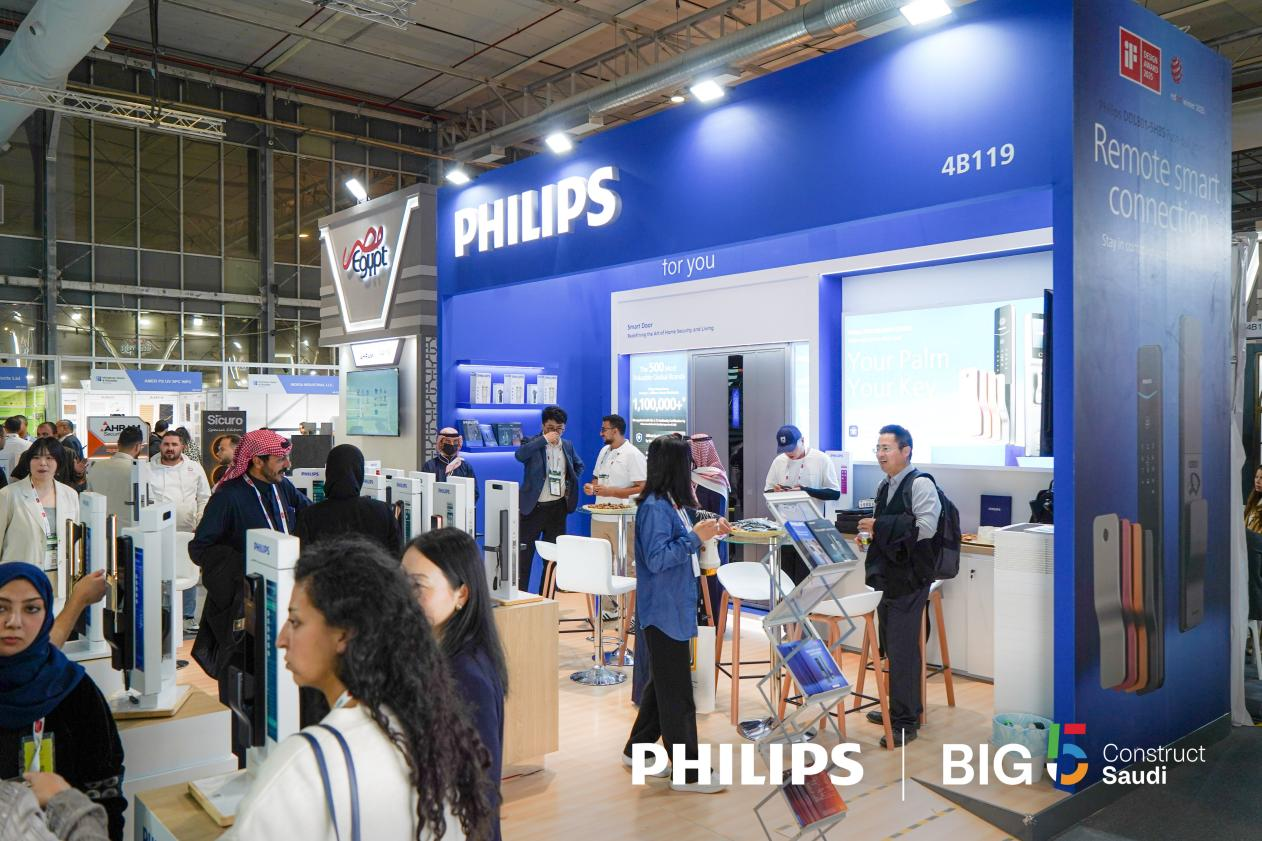
Core Insights - Kiwi Information Technology Co. Ltd. showcased Philips Home Access solutions at Big 5 Construct Saudi 2026, emphasizing its expansion in intelligent access solutions within Saudi Arabia's retail and commercial sectors [2][3] Company Developments - Kiwi highlighted a dedicated portfolio of Philips smart locks designed for Saudi Arabia's environmental conditions, including high temperatures and dust exposure [4] - A Memorandum of Understanding (MOU) was signed with Al Ghomlas Trading Company to deploy Philips Home Access solutions across residential and commercial sectors [6][7] - Kiwi has expanded its channel presence in Saudi Arabia, entering leading offline retail chains such as SACO and EXTRA, enhancing product visibility and consumer engagement [8][9] Product Offerings - The showcased Philips smart lock portfolio includes: - DDL801 Series: Designed for dusty environments with IP-rated protection and fast biometric access [11] - DDL505 Series: Suitable for outdoor use, engineered for high temperatures and compatible with solar panels [11] - DDL611 Series: Features an ultra-slim profile and dual-sided fingerprint verification [11] - DDL902MFVP Series: Flagship models with advanced biometric recognition and triple-camera systems [11] Market Strategy - Kiwi is expanding online exposure for Philips Home Access solutions through e-commerce platforms like Noon, complementing its offline strategy [12] - The company aims to build a sustainable local smart access ecosystem supported by a professional installation network and after-sales service [13] - Since entering the Saudi market, Kiwi has focused on localization strategies, channel development, and project collaboration to support the growth of smart home and building sectors [14]

Philips named a Clarivate Top 100 Global Innovator for the 13th consecutive year
Globenewswire· 2026-01-21 10:00
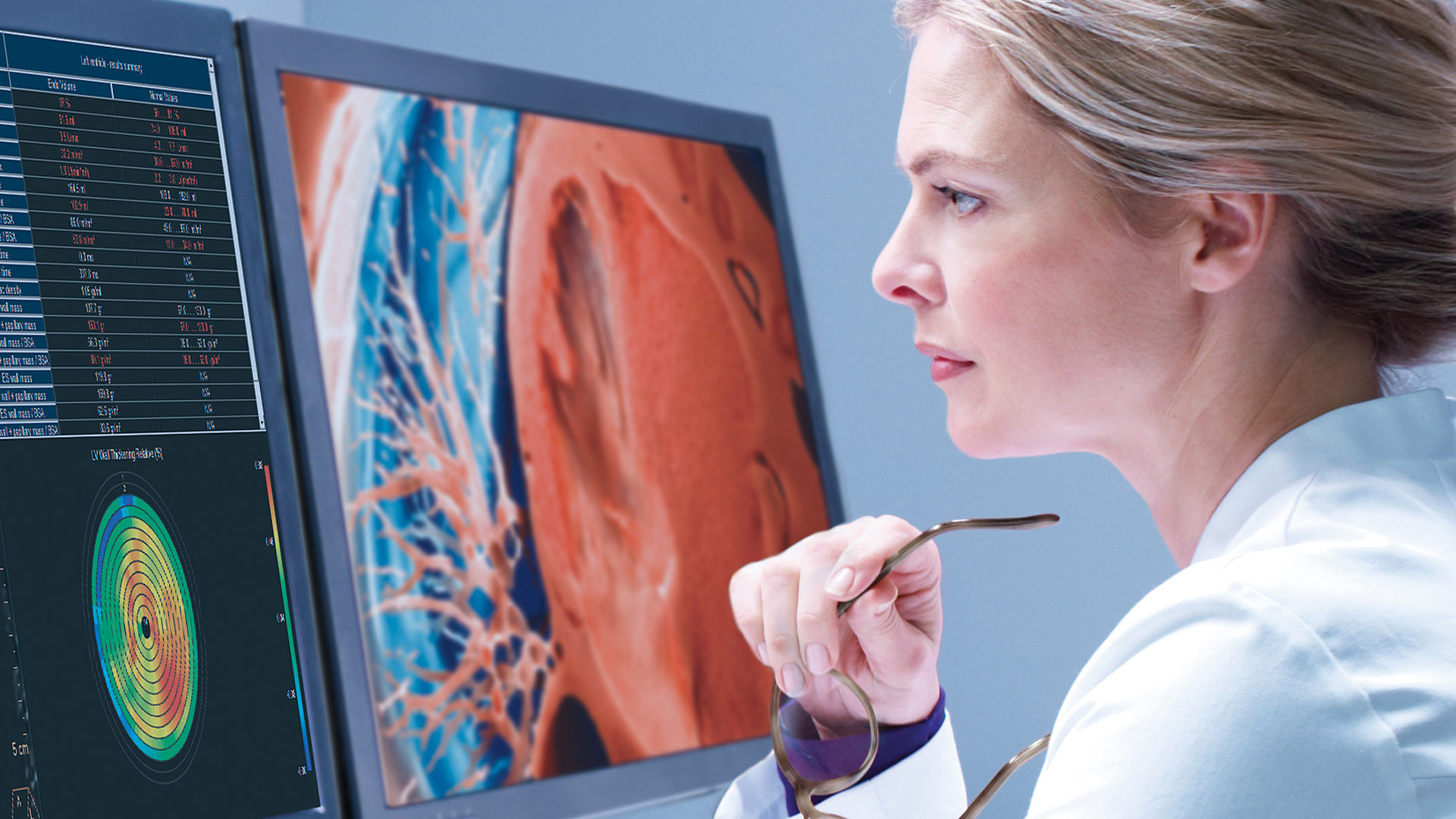
Core Viewpoint - Royal Philips has been recognized as a Clarivate Top 100 Global Innovator for 2026, marking the 13th consecutive year of this achievement, highlighting its leadership in healthcare innovation [2][6]. Group 1: Innovation and R&D Commitment - Philips invests over EUR 1.7 billion annually in R&D, which is approximately 9% of its sales, positioning it among the highest in the industry [3][6]. - The company focuses on AI-enabled technologies, advanced imaging, and connected platforms to enhance diagnosis precision and streamline workflows [3][6]. Group 2: Notable Innovations - Philips Verida is introduced as the world's first detector-based spectral CT, integrating AI throughout the imaging process [7]. - The company has developed helium-free MRI magnet technology, saving over six million liters of liquid helium and eliminating the need for refills in hospitals [7]. - The Philips Flash 5100 Point-of-Care Ultrasound offers advanced imaging clarity and an intuitive workflow for frontline clinical decision-making [7]. - A next-generation web-based diagnostic viewer has been created to improve how radiologists access and interpret medical images [7]. - AI-enabled personal care innovations, such as the Philips i9000 Shaver Series, provide personalized self-care experiences for consumers [7]. Group 3: Company Overview - Philips generated sales of EUR 18 billion in 2024 and employs approximately 67,000 people, with operations in over 100 countries [8].


Philips named a Clarivate Top 100 Global Innovator for the 13th consecutive year
Globenewswire· 2026-01-21 10:00
Core Insights - Royal Philips has been recognized as a Clarivate Top 100 Global Innovator for 2026, marking the 13th consecutive year of this achievement, and is the highest-ranking medical technology company in the report [7][9] - The company emphasizes its commitment to innovation, with over EUR 1.7 billion invested annually in R&D, representing approximately 9% of its sales, which is among the highest in the industry [8][9] - Philips is focused on applying AI-enabled technologies and advanced imaging to enhance healthcare delivery and empower individuals in managing their health [8][10] Innovation Highlights - Philips Verida is introduced as the world's first detector-based spectral CT, integrating AI throughout the imaging process [10] - The company has developed helium-free MRI magnet technology, with over 2,000 installations globally, saving six million liters of liquid helium [10] - The Philips Flash 5100 Point-of-Care Ultrasound offers advanced imaging clarity and an intuitive workflow for frontline clinical decision-making [10] - A next-generation web-based diagnostic viewer has been launched to improve how radiologists access and interpret medical images [10] Consumer Innovations - AI-enabled personal care products, such as the Philips i9000 Shaver Series, provide personalized and intuitive self-care experiences for consumers [11] - The innovations reflect Philips' strategy to enhance both professional healthcare and consumer health through technology [8][11]
New Strong Sell Stocks for Jan. 15


ZACKS· 2026-01-15 11:25
Core Viewpoint - Three stocks have been added to the Zacks Rank 5 (Strong Sell) List, indicating a negative outlook for these companies based on revised earnings estimates Group 1: Company Summaries - Vera Bradley, Inc. (VRA) is an apparel and accessories company with a current year earnings estimate revised downward by 39.6% over the last 60 days [1] - Graphic Packaging Holding Company (GPK) is a packaging products company with a current year earnings estimate revised downward by 2.1% over the last 60 days [1] - Koninklijke Philips N.V. (PHG) is a health technology company with a current year earnings estimate revised downward by 2.6% over the last 60 days [2]

Emergency Care Holdings Acquires Philips Emergency Care Business, Launching Global Emergency Care Platform
Businesswire· 2026-01-14 15:31
Company Overview - Emergency Care Holdings (ECH) has completed the acquisition of the Philips Emergency Care business from Koninklijke Philips N.V., which will now operate as Heartstream and continue to market select products under a Philips brand license [1] - Heartstream operates in over 130 countries with a network of approximately 480 distribution partners and maintains an installed base of over three million automated external defibrillators (AEDs) and advanced life support (ALS) devices globally [2] - The business employs more than 600 people and is recognized for its strong brand equity, clinical credibility, and long-standing customer relationships [2] Strategic Goals - The acquisition allows ECH to establish a global platform strategy aimed at building a leading portfolio of emergency medical technology companies focused on the pre-hospital care market, which exceeds $26 billion globally [1][5] - ECH plans to pursue disciplined, complementary acquisitions to expand product breadth, geographic reach, and operating leverage within adjacent product categories in the pre-hospital and unscheduled care segments [4] - The business aims to enhance operational focus, capital flexibility, and accelerate innovation and global growth as a standalone entity [3] Market Position and Opportunities - The emergency medical products sector is characterized by strong demand, recurring revenue, and favorable long-term demographic and regulatory trends [1] - ECH sees significant opportunities to consolidate a fragmented global market while expanding access to life-saving technologies worldwide [5] - Heartstream is positioned to advance its mission and serve customers more effectively with the backing of ECH, enhancing its leadership in emergency care [4]

Philips: Waiting Comfortably For Upside From Healthcare AI Leadership
Seeking Alpha· 2025-12-22 23:06
Group 1 - Philips N.V. is characterized as a "set it and forget it" company, indicating a stable investment with long-term potential in the imaging and image-guided therapies sectors [1] - The company is recognized as one of the world leaders in its fields, which enhances its attractiveness to investors [1] Group 2 - The article emphasizes the importance of conducting due diligence and research prior to any investment, highlighting that the author is not providing financial advice [2] - It is noted that investing in European and Scandinavian stocks may involve specific withholding tax risks, which investors should consider [2]

母婴卧室静音除甲醛?2025空气净化器十大品牌权威实测解析
Xin Lang Cai Jing· 2025-12-22 11:24
Core Insights - The air purifier market in China is transitioning from a niche product to a health necessity, with retail sales expected to grow nearly 20% year-on-year in the first half of 2025, driven by demand from newly renovated homes, families with infants, and pet owners [1] - A report indicates significant disparities in formaldehyde removal efficiency among different brands, with some showing over 20 times the difference [1] - Only 28.6% of tested air purifiers achieved a formaldehyde CADR value exceeding 400 m³/h, and only 54.3% met the F4 level for formaldehyde CCM [1] Market Trends - The demand for air purifiers is increasing, particularly in family scenarios such as new renovations and households with infants and pets [1] - The market is seeing a shift towards more stringent performance standards and consumer awareness regarding air quality [1] Product Performance - The annual testing results reveal that nearly one-third of the air purifiers tested did not meet the required formaldehyde purification efficiency, indicating a gap between advertised and actual performance [1] - The report highlights the importance of certifications and performance metrics in guiding consumer choices [33] Consumer Guidance - A comprehensive evaluation of air purifiers includes factors such as CADR, CCM, energy efficiency, and noise levels, which are critical for consumer decision-making [33] - The report provides a selection of top-performing brands based on rigorous testing and consumer feedback, emphasizing the need for reliable and effective air purification solutions [33]



Philips agrees to acquire SpectraWAVE Inc., advancing next-generation coronary intravascular imaging and physiological assessment with AI
Globenewswire· 2025-12-15 07:00
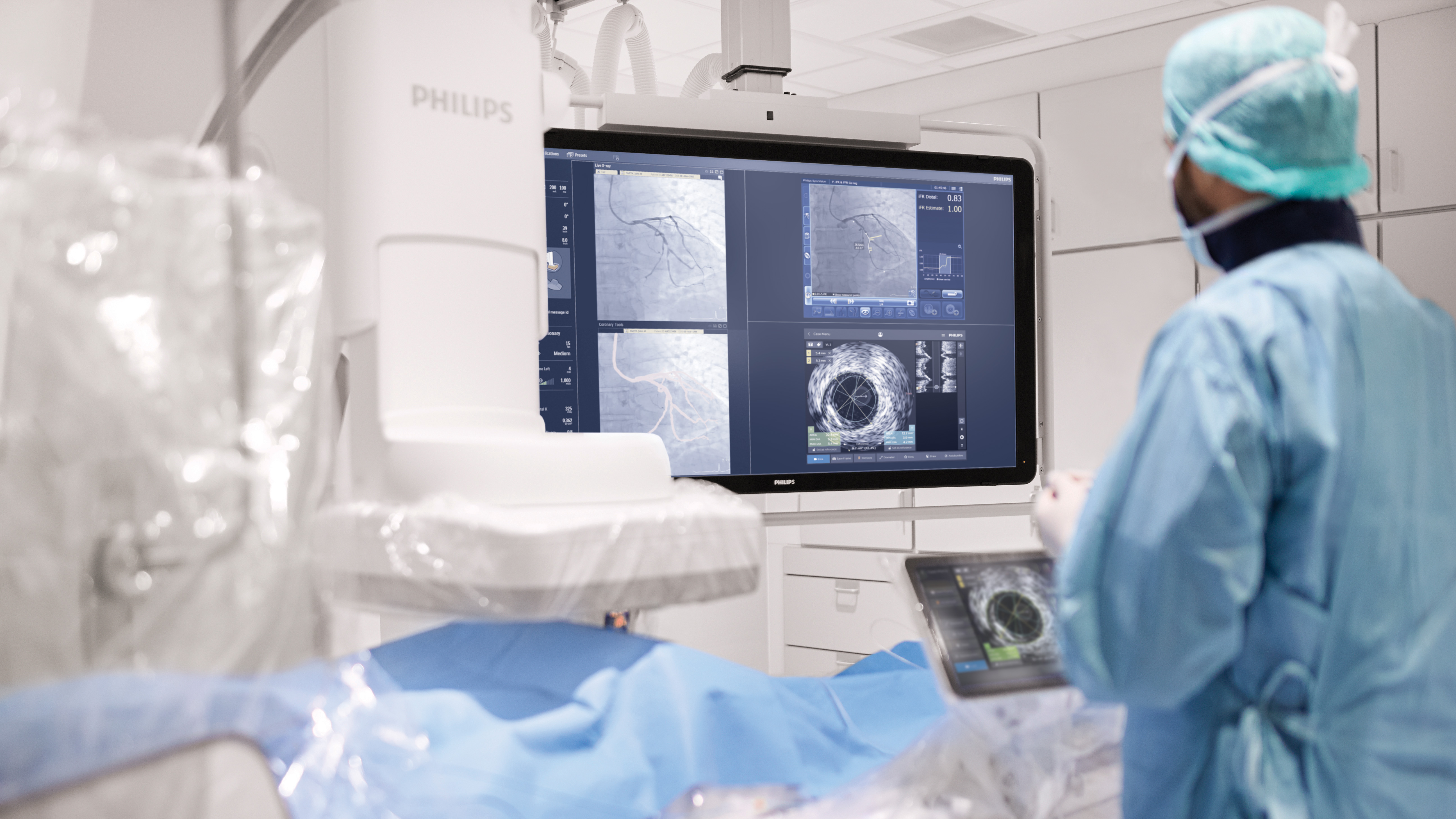
Core Viewpoint - Royal Philips has announced the acquisition of SpectraWAVE, Inc., which specializes in Enhanced Vascular Imaging (EVI) and AI applications in medical imaging, aimed at improving treatment for coronary artery disease, a condition affecting over 300 million people globally [2][4][6]. Company Overview - Royal Philips is a global leader in health technology, focusing on improving health and well-being through innovation [15][16]. - The company generated sales of EUR 18 billion in 2024 and employs approximately 67,000 people [16]. Acquisition Details - The acquisition of SpectraWAVE will enhance Philips' portfolio in the coronary intervention segment, integrating AI-powered innovations in intravascular imaging and physiological assessment [4][7][9]. - Financial terms of the acquisition have not been disclosed [13]. Technology Integration - SpectraWAVE's HyperVue Imaging System combines DeepOCT and NIRS technologies to provide detailed imaging of coronary arteries during procedures, facilitating rapid setup and automated AI analysis [8][10]. - The X1-FFR technology from SpectraWAVE offers AI-enabled physiological assessments from a single angiogram, enhancing the workflow for percutaneous coronary interventions [11]. Market Impact - The integration of SpectraWAVE's technologies with Philips' Azurion platform is expected to significantly increase the adoption of advanced imaging and physiological assessment in treating coronary artery disease [9][12]. - Philips aims to expand clinician choice and improve patient outcomes through the convergence of intravascular imaging, coronary physiology, and AI [6][7].

Philips agrees to acquire SpectraWAVE Inc., advancing next-generation coronary intravascular imaging and physiological assessment with AI
Globenewswire· 2025-12-15 07:00
Core Insights - Royal Philips has announced an agreement to acquire SpectraWAVE, Inc., which specializes in Enhanced Vascular Imaging (EVI) and AI applications in medical imaging, particularly for coronary artery disease [5][10][14] - The acquisition aims to enhance Philips' capabilities in image-guided therapy, particularly in the coronary intervention segment, by integrating SpectraWAVE's advanced technologies [7][10][14] Company Overview - Royal Philips is a global leader in health technology, focusing on improving health and well-being through innovation, with a strong emphasis on image-guided therapy [19] - SpectraWAVE, founded in 2017 and based in Bedford, Massachusetts, employs over 70 people and is recognized for its innovative intravascular imaging and physiological assessment technologies [5][19] Technology and Product Integration - The acquisition will incorporate SpectraWAVE's HyperVue Imaging System, which combines DeepOCT and NIRS technologies for detailed imaging of coronary arteries during procedures [11][14] - SpectraWAVE's X1-FFR technology provides AI-enabled physiological assessments from a single angiogram, enhancing the workflow for percutaneous coronary interventions [12][14] Market Impact - The integration of SpectraWAVE's technologies is expected to significantly increase the adoption of coronary intravascular imaging and physiological assessment, improving patient outcomes [10][14] - Philips' Azurion platform, which is already used to treat over 7.6 million patients annually in more than 80 countries, will benefit from the addition of SpectraWAVE's innovations [15][19]
全球固定式紫外线空气净化器行业发展现状调研及未来竞争策略分析报告2026年版
Sou Hu Cai Jing· 2025-12-10 16:24
Core Insights - The report provides a comprehensive analysis of the global fixed ultraviolet air purifier industry, focusing on market size, growth trends, and competitive strategies up to 2031 [1][3]. Group 1: Industry Overview - The fixed ultraviolet air purifier industry is categorized by product type and application, with significant market size projections for 2020, 2024, and 2031 [3][4]. - Key characteristics of the industry include technological advancements and increasing consumer awareness regarding air quality [4][5]. - Factors influencing industry development include favorable conditions such as rising health concerns and adverse factors like regulatory challenges [4][5]. Group 2: Market Share and Rankings - The report outlines the market share and rankings of major companies in the fixed ultraviolet air purifier sector over the past three years, highlighting sales volume and revenue [4][5]. - It includes detailed statistics on the top companies' market positions in both global and Chinese markets, with projections for 2024 [4][5]. Group 3: Supply and Demand Analysis - A thorough analysis of the supply and demand dynamics for fixed ultraviolet air purifiers is provided, including production capacity, output, and utilization rates from 2020 to 2031 [5][6]. - The report forecasts market trends in various regions, emphasizing the growth potential in key markets [5][6]. Group 4: Competitive Landscape - The competitive landscape is analyzed, detailing the market concentration and competitive intensity among leading manufacturers [5][6]. - The report identifies major players in the industry, their product specifications, market applications, and financial performance metrics from 2020 to 2025 [6][7]. Group 5: Product and Application Analysis - The report categorizes fixed ultraviolet air purifiers by product type and application, providing sales and revenue forecasts for different segments [10][11]. - It highlights the expected growth in various applications, including residential, industrial, and commercial uses [10][11]. Group 6: Industry Trends and Drivers - The report discusses the overall trends in the fixed ultraviolet air purifier industry, including technological innovations and shifts in consumer preferences [17]. - Key drivers of industry growth are identified, such as increasing health awareness and regulatory support for air quality improvement [17].