Philips(PHG)

Search documents
全球固定式紫外线空气净化器行业发展现状调研及未来竞争策略分析报告2026年版
Sou Hu Cai Jing· 2025-12-10 16:24
Core Insights - The report provides a comprehensive analysis of the global fixed ultraviolet air purifier industry, focusing on market size, growth trends, and competitive strategies up to 2031 [1][3]. Group 1: Industry Overview - The fixed ultraviolet air purifier industry is categorized by product type and application, with significant market size projections for 2020, 2024, and 2031 [3][4]. - Key characteristics of the industry include technological advancements and increasing consumer awareness regarding air quality [4][5]. - Factors influencing industry development include favorable conditions such as rising health concerns and adverse factors like regulatory challenges [4][5]. Group 2: Market Share and Rankings - The report outlines the market share and rankings of major companies in the fixed ultraviolet air purifier sector over the past three years, highlighting sales volume and revenue [4][5]. - It includes detailed statistics on the top companies' market positions in both global and Chinese markets, with projections for 2024 [4][5]. Group 3: Supply and Demand Analysis - A thorough analysis of the supply and demand dynamics for fixed ultraviolet air purifiers is provided, including production capacity, output, and utilization rates from 2020 to 2031 [5][6]. - The report forecasts market trends in various regions, emphasizing the growth potential in key markets [5][6]. Group 4: Competitive Landscape - The competitive landscape is analyzed, detailing the market concentration and competitive intensity among leading manufacturers [5][6]. - The report identifies major players in the industry, their product specifications, market applications, and financial performance metrics from 2020 to 2025 [6][7]. Group 5: Product and Application Analysis - The report categorizes fixed ultraviolet air purifiers by product type and application, providing sales and revenue forecasts for different segments [10][11]. - It highlights the expected growth in various applications, including residential, industrial, and commercial uses [10][11]. Group 6: Industry Trends and Drivers - The report discusses the overall trends in the fixed ultraviolet air purifier industry, including technological innovations and shifts in consumer preferences [17]. - Key drivers of industry growth are identified, such as increasing health awareness and regulatory support for air quality improvement [17].






可孚医疗与皇家飞利浦签署战略合作协议
Zhong Guo Jin Rong Xin Xi Wang· 2025-12-10 09:54
Core Insights - Kefu Medical, a leading Chinese home medical device company, has signed a strategic cooperation agreement with Royal Philips to enhance the availability of high-quality health technology products in Chinese households [1][3]. Group 1: Company Overview - Kefu Medical has over 20 years of experience in the industry and has established a comprehensive system covering research and development, production, distribution, e-commerce, and logistics [3]. - The company exports its products to over 60 countries and regions globally and holds a significant position in both online and offline markets in China [3]. Group 2: Strategic Partnership - The agreement allows Kefu Medical to obtain brand authorization for multiple home health monitoring devices from Royal Philips, including blood glucose meters, blood pressure monitors, continuous glucose monitoring devices (CGM), thermometers, pulse oximeters, pulmonary function meters, and scales [3]. - The partnership aims to create smart health management solutions tailored to the needs of Chinese families, promoting a new era of precision, intelligence, and contextualization in the domestic health monitoring sector [3]. Group 3: Product Development and Market Strategy - The first batch of Royal Philips smart monitoring medical devices is in the preparation stage for market launch, focusing on innovative and forward-looking product solutions for consumers [4]. - Future products will leverage enhanced online channel strategies to solidify market leadership, utilizing Kefu Medical's retail system, national and regional distribution networks, major chain pharmacies, specialized medical device stores, and clinics for rapid business expansion and coverage [4].
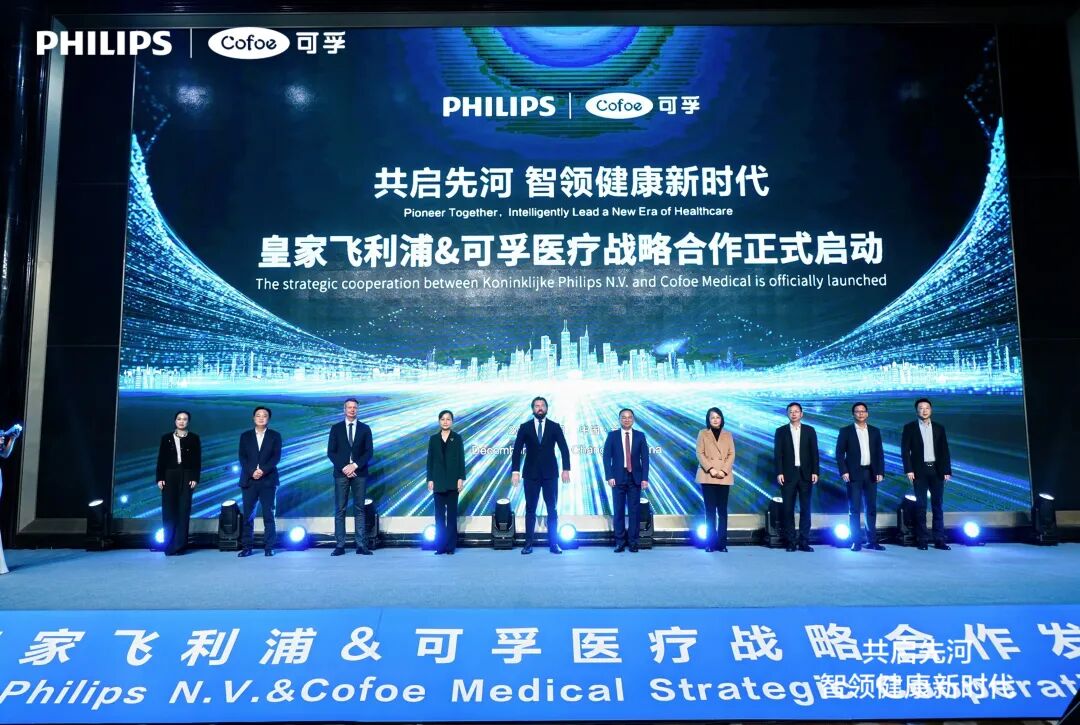
可孚医疗牵手飞利浦,将高品质家庭健康监测设备引入中国
Jing Ji Wang· 2025-12-10 07:31
Core Viewpoint - The strategic partnership between Kefu Medical and Royal Philips aims to enhance the availability of high-quality health technology products in Chinese households through collaboration on various home health monitoring devices [1][4]. Group 1: Partnership Details - Kefu Medical has obtained brand authorization from Royal Philips for multiple home health monitoring devices in China, including blood glucose meters, blood pressure monitors, continuous glucose monitoring devices (CGM), thermometers, pulse oximeters, pulmonary function instruments, and weighing scales [1]. - The collaboration will focus on joint technology research and development, local adaptation, and iterative upgrades, with Kefu Medical responsible for production, brand operation, channel layout, and service system construction in China [1][4]. Group 2: Strengths of the Companies - The partnership represents a deep synergy between an internationally recognized brand and a leading domestic enterprise, combining Philips' century-long technological expertise and global brand resources with Kefu Medical's strengths in innovation, smart manufacturing, and channel operations [4]. - Philips is a global leader in health technology, committed to enhancing health and well-being through innovation, while Kefu Medical is one of China's largest home medical device companies, with over 20 years of industry experience and a comprehensive supply chain covering R&D, production, distribution, e-commerce, and logistics [4]. Group 3: Market Context and Future Outlook - The collaboration aligns with China's national strategy to promote health, transitioning from a disease-centered approach to a health-centered one, as the demand for daily monitoring of blood pressure, blood glucose, blood oxygen, and temperature continues to grow [5]. - Analysts believe that this partnership will set new industry standards in technology, product innovation, and service quality, facilitating the faster and broader introduction of advanced medical devices into Chinese households [5]. - The first batch of Philips smart monitoring medical devices is in the preparation stage for market launch, with plans to enhance online channel layouts and leverage various distribution networks for rapid business expansion and coverage [5].
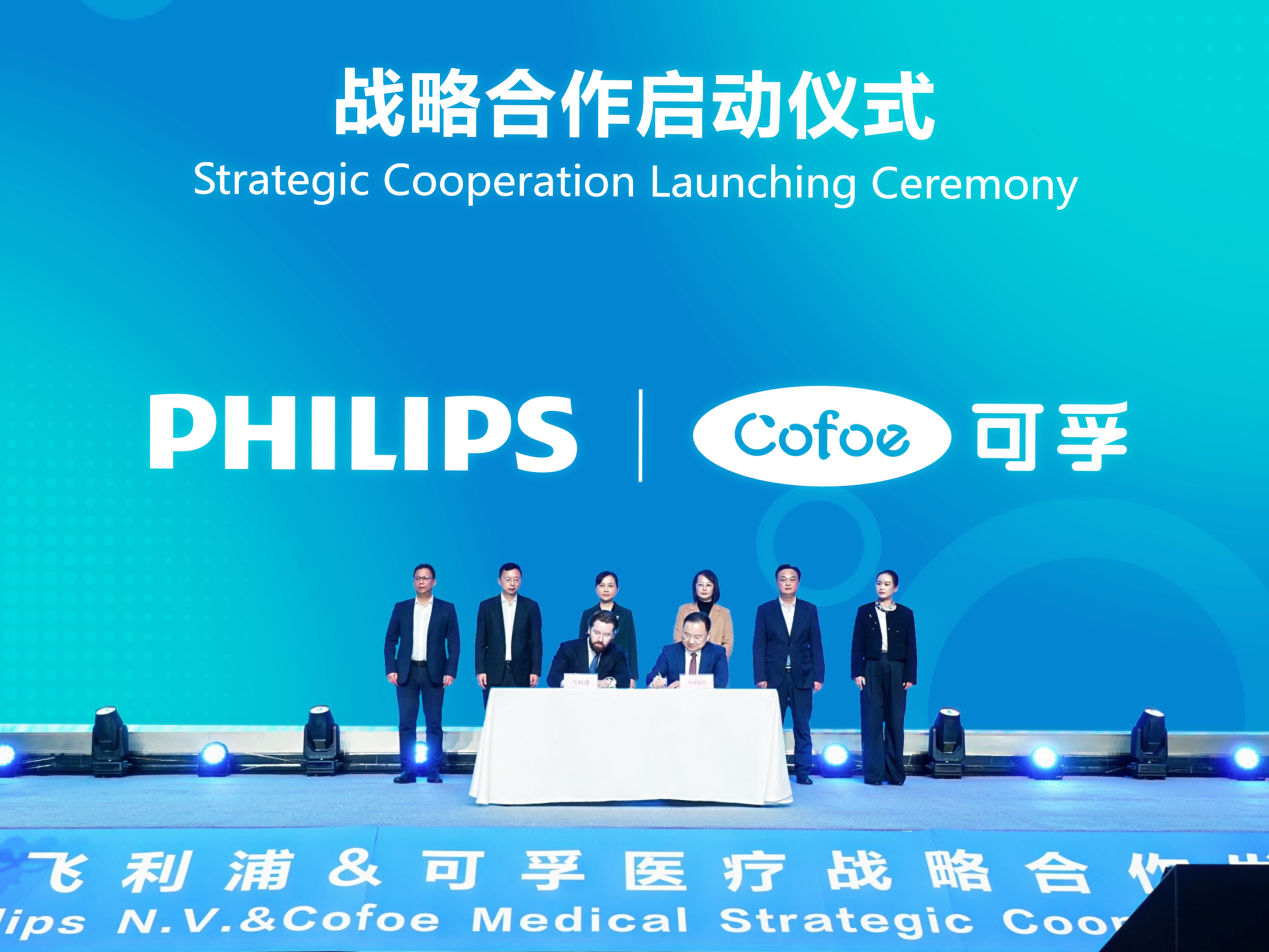
飞利浦与可孚医疗战略签约 将高品质家庭健康监测设备引入中国
Chang Sha Wan Bao· 2025-12-09 23:51
Core Viewpoint - The strategic partnership between Kewei Medical and Royal Philips aims to enhance the availability of high-quality health technology products in Chinese households through collaboration on various home health monitoring devices [1] Group 1: Partnership Details - Kewei Medical has signed a strategic cooperation agreement with Royal Philips to collaborate on multiple home health monitoring devices [1] - The agreement grants Kewei Medical brand authorization for several Philips health monitoring devices in China, including blood glucose meters, blood pressure monitors, continuous glucose monitoring devices, thermometers, pulse oximeters, pulmonary function meters, and weighing scales [1] Group 2: Product Development and Market Strategy - Both companies will work together on technology research and development, local adaptation, and iterative upgrades of the products [1] - Kewei Medical will be responsible for production, brand operation, channel layout, and service system construction in China, aiming for deep integration of research and innovation with industrial capabilities [1] Group 3: Market Expansion Plans - The first batch of Philips smart monitoring medical devices is in the preparation stage for market launch, focusing on innovative and forward-looking product solutions for consumers [1] - Future strategies include strengthening online channel layouts to consolidate market leadership and leveraging a diverse distribution network, including retail systems, national and regional distributors, major chain pharmacies, specialized medical device stores, and clinics for rapid business expansion [1]
Philips CEO Warns About 2026 Growth Target, Stock Drops
Benzinga· 2025-12-04 18:45
Core Viewpoint - Koninklijke Philips NV shares experienced a significant decline, marking the largest single-day drop since February, following cautious remarks from CEO Roy Jakobs at Citi's Global Healthcare Conference [1][2]. Group 1: Company Performance and Outlook - Philips anticipates organic sales growth to improve from 2% this year to 2026, but is "unlikely" to meet the 4.5% consensus forecast [2]. - The company reiterated its goal to enhance margins by 2026, although it warned that tariff headwinds are expected to nearly double next year [3]. - Philips expects comparative sales growth to accelerate towards mid-single-digit growth in 2026, supported by solid order momentum [6]. Group 2: Financial Results - For the third quarter of 2025, Philips reported adjusted earnings per share of 42 cents (0.36 euros), surpassing the consensus estimate of 37 cents [7]. - The company recorded quarterly sales of $5.03 billion (4.302 billion euros), aligning with market expectations [7]. Group 3: Market Conditions - The global hospital capital spending environment in 2026 is expected to be similar to 2025, with strong demand in the U.S. and solid performance in Europe and international markets, while conditions in China remain muted [4].

Koninklijke Philips N.V. (PHG): A Bull Case Theory
Yahoo Finance· 2025-12-04 17:21
Core Thesis - Koninklijke Philips N.V. is viewed positively due to its focus on operational efficiency and profitability improvement, with a current share price of $28.32 and trailing and forward P/E ratios of 151.71 and 14.90 respectively [1][2] Company Performance - Philips delivered a 19% total shareholder return in 2024 while advancing initiatives to enhance efficiency and simplify its structure [2] - The company faces challenges from uncertainties in the Chinese market and ongoing U.S. litigation related to its Respironics products, which have affected investor sentiment [3][4] Investment Insights - Exor's net asset value in Philips was $4.63 billion at year-end 2024, reflecting significant exposure to the company's transformation story, with Exor owning 18.4% of shares [3] - Exor's continued investment underscores confidence in Philips' strategy to drive growth and unlock margin expansion through innovation and operational discipline [4] Market Position - Philips is positioned to strengthen its market standing in global health technology, with improving profitability and potential for rerating as growth initiatives take hold [4] - The company is not among the 30 most popular stocks among hedge funds, with a decrease in hedge fund portfolios holding PHG from 12 to 10 [6]
Price Over Earnings Overview: Koninklijke Philips - Koninklijke Philips (NYSE:PHG)
Benzinga· 2025-12-04 17:00
Core Viewpoint - Koninklijke Philips Inc. (NYSE:PHG) shares are currently trading at $26.49, reflecting a 5.53% decrease, with a 6.20% decline over the past month, but a 1.07% increase over the past year, indicating mixed short-term performance and positive long-term trends [1] Group 1: P/E Ratio Analysis - The price-to-earnings (P/E) ratio is a critical metric for long-term investors to assess a company's current performance against its past earnings and industry benchmarks [5] - Koninklijke Philips has a P/E ratio of 150.73, significantly higher than the industry average of 43.99 in the Health Care Equipment & Supplies sector, suggesting that investors may expect better future performance or that the stock could be overvalued [6] - A higher P/E ratio may indicate optimism about future growth and potential dividend increases, but it can also suggest overvaluation [5][6] Group 2: Limitations of P/E Ratio - While a lower P/E ratio can indicate undervaluation, it may also reflect a lack of expected future growth [9] - The P/E ratio should not be analyzed in isolation; other factors such as industry trends and business cycles also influence stock prices [10] - Investors are advised to use the P/E ratio alongside other financial metrics and qualitative analyses for informed investment decisions [10]

飞利浦(PHG.US)跌逾5% 管理层放弃2026年销售增长预期
Zhi Tong Cai Jing· 2025-12-04 15:35
Core Viewpoint - Philips (PHG.US) shares fell over 5% to $26.53 following comments from executives indicating that organic sales growth in 2026 is unlikely to double from approximately 2% last year, contrary to previous expectations of around 4.5% growth for 2026 [1] Group 1 - Executives at Philips have revised their expectations for organic sales growth in 2026, now projecting it to be around 2% instead of the previously anticipated 4.5% [1] - The management still expects an improvement in profit margins by 2026, despite the lowered sales growth forecast [1] - The company anticipates that tariff pressures will nearly double next year, adding to the challenges faced [1]
美股异动 | 飞利浦(PHG.US)跌逾5% 管理层放弃2026年销售增长预期
智通财经网· 2025-12-04 15:34
Core Viewpoint - Philips (PHG.US) shares fell over 5% to $26.53 following comments from executives indicating that organic sales growth for 2026 is unlikely to double from approximately 2% last year, contrary to previous expectations of around 4.5% growth for 2026 [1] Group 1 - Executives at Philips stated that organic sales growth for 2026 is not expected to double from last year's growth of about 2% [1] - The company still anticipates an increase in profit margins by 2026, despite the challenges [1] - Management expects tariff pressures to nearly double next year, impacting overall financial performance [1]
Snowflake, Symbotic And Other Big Stocks Moving Lower In Thursday's Pre-Market Session
Benzinga· 2025-12-04 13:00
Group 1: Snowflake Inc (NYSE:SNOW) - Snowflake reported third-quarter revenue of $1.21 billion, exceeding analyst estimates of $1.18 billion [1] - The company achieved adjusted earnings of 35 cents per share, surpassing analyst expectations of 31 cents per share [1] - In pre-market trading, Snowflake shares fell 8.6% to $241.85 [2] Group 2: Other Companies - Net Lease Office Properties (NYSE:NLOP) shares decreased by 14.7% to $25.19 in pre-market trading [4] - Symbotic Inc (NASDAQ:SYM) shares dropped 10.5% to $65.50 following a 10 million share offering announcement [4] - Capricor Therapeutics Inc (NASDAQ:CAPR) shares fell 8.4% to $27.45 after a significant increase of 371% the previous day [4] - ADC Therapeutics SA (NYSE:ADCT) shares declined 8.1% to $3.63 after reporting updated data from its LOTIS-7 trial [4] - Koninklijke Philips NV (NYSE:PHG) shares decreased by 6.8% to $26.11 in pre-market trading [4] - Omeros Corp (NASDAQ:OMER) shares fell 4.2% to $10.18 [4] - Methanex Corp (NASDAQ:MEOH) shares dropped 3.8% to $35.95 [4]